Baby Temperament and Sleep: Why Some Babies Struggle More Than Others
Mar 28, 2026
What Is Baby Temperament
Temperament refers to a baby’s natural personality and how they respond to the world around them. It is something babies are born with and is not caused by parenting choices.
Some babies adapt easily to changes, while others are more sensitive to stimulation, transitions, and sleep disruptions.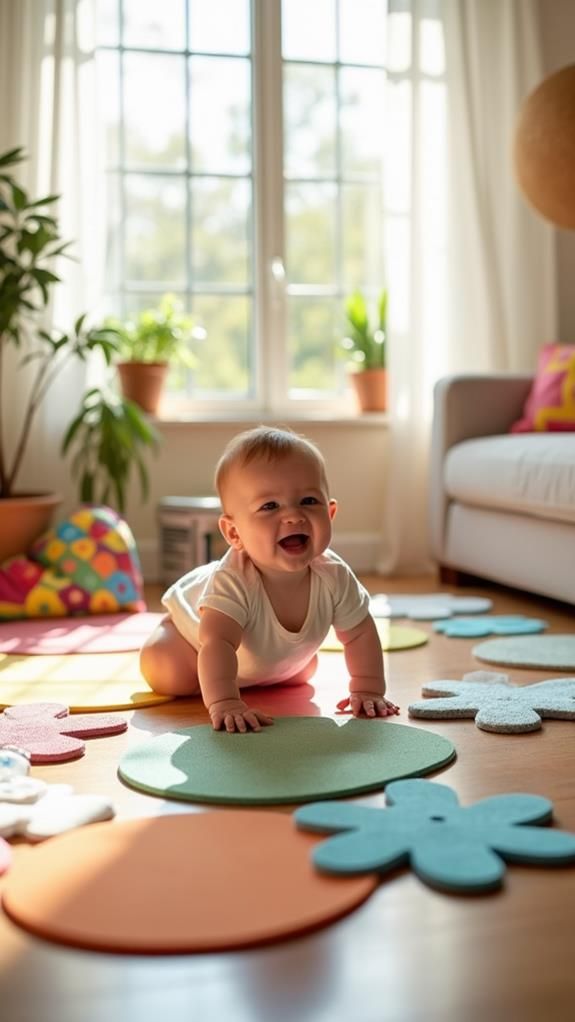
How Temperament Influences Baby Sleep
Babies with more sensitive or reactive temperaments often find sleep harder. They may wake more easily, struggle to settle, or need more support to fall asleep.
This does not mean something is wrong. It simply means their nervous system needs more help regulating.
Common Temperament Traits That Affect Sleep
Highly Alert Babies
Some babies are naturally very alert and curious. They notice every sound, movement, and change in their environment, which can make falling asleep and staying asleep difficult.
Sensitive Babies
Sensitive babies react strongly to discomfort such as hunger, temperature changes, or overtiredness. Even small disruptions can lead to frequent night wakings.
Slow to Adapt Babies
These babies take longer to adjust to new routines, sleep schedules, or environments. Changes such as dropping naps or traveling often impact their sleep more noticeably.
Why Comparing Baby Sleep Can Be Misleading
Many parents compare their baby’s sleep to other babies of the same age. However, temperament plays a huge role in sleep patterns.
Two babies with identical schedules and routines can sleep very differently simply because their temperaments are different.
Does Temperament Mean Sleep Training Will Not Work
Why All Babies Can Learn Healthy Sleep Skills
Temperament does not prevent sleep improvement. It simply changes how sleep support should be approached.
Sensitive babies often need:
- Slower transitions
- More consistency
- A gentler, more responsive approach
With the right strategy, even highly sensitive babies can learn to sleep well.
How to Support Better Sleep Based on Temperament
Focus on Predictability
Predictable routines help babies feel safe. Knowing what comes next reduces stress and makes sleep easier.
Avoid Overtiredness
Temperamentally sensitive babies are less tolerant of being overtired. Earlier bedtimes and age appropriate nap schedules are especially important.
Create a Calm Sleep Environment
A dark, quiet, and cool sleep space helps reduce stimulation and supports longer sleep stretches.
Why Some Babies Need More Support Than Others
Needing more help with sleep is not a reflection of parenting. Some babies simply require more guidance to regulate their sleep cycles and emotions.
Understanding your baby’s temperament removes guilt and replaces it with clarity.
End-of-Blog Closure
If your baby feels more sensitive, alert, or difficult to settle than others, you are not imagining it and you are not doing anything wrong.
Our Baby Sleep Training Program is personalised to your baby’s temperament and your family’s needs. We help you:
- Understand your baby’s unique sleep challenges
- Build routines that support sensitive nervous systems
- Improve naps and night sleep gently
- Create lasting sleep habits without forcing change
👉 Learn more about our personalised baby sleep training support here:
https://www.yawntodawnconsulting.com/
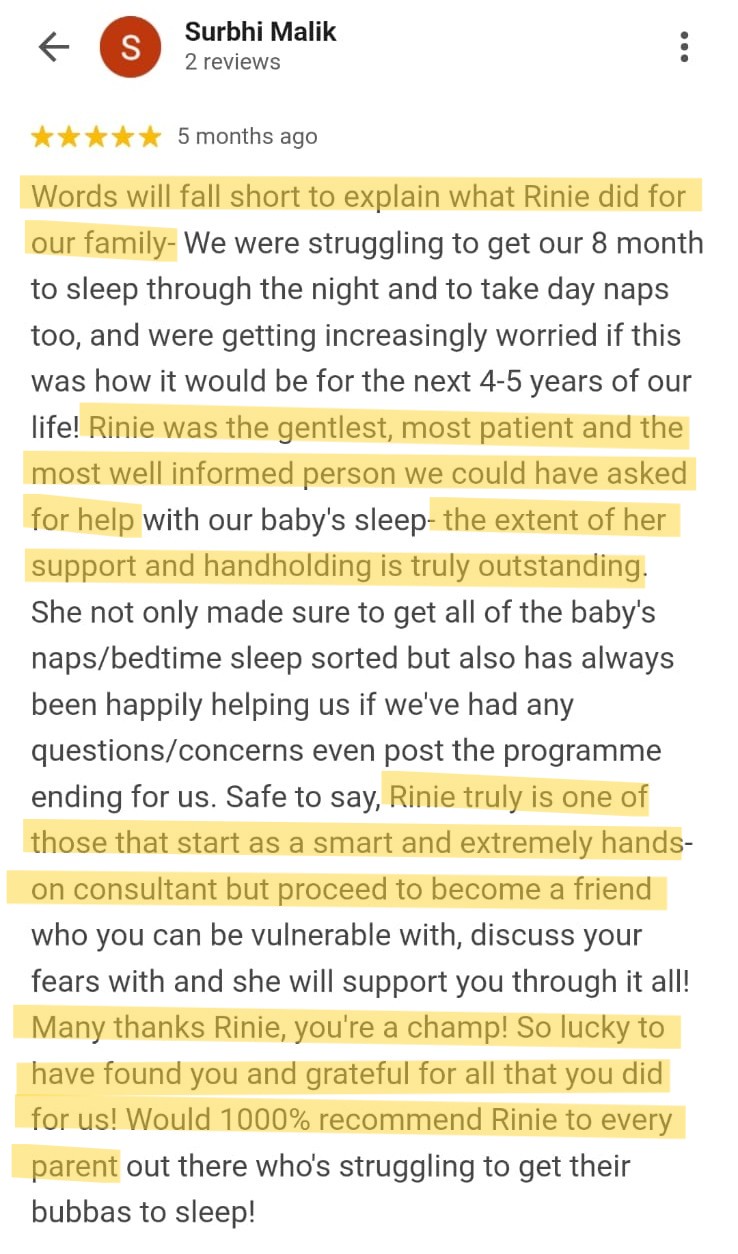
Look at our reviews

Written By:


