When Do Babies Have Sleep Regressions? (And Why It’s Not About Age)
Apr 21, 2026
If you’ve been Googling baby sleep, you’ve probably seen timelines like “4-month sleep regression” or “8-month sleep regression.” It can start to feel like your baby is supposed to follow a fixed schedule of sleep disruptions.
But here’s the truth I want you to understand as a sleep consultant:
There is no specific age at which all babies go through a sleep regression.
And once you understand why, baby sleep starts to feel a lot less confusing.

What Is a Sleep Regression?
A sleep regression is a temporary disruption in your baby’s sleep, where a previously well-sleeping baby may suddenly:
- Wake more frequently at night and struggle to go back to sleep
- Take shorter naps or skip naps altogether
- Resist bedtime or take longer to settle
This can feel sudden, but it is rarely random. In most cases, sleep regressions are closely linked to developmental changes happening in your baby’s brain and body.
The Biggest Myth About Sleep Regressions
Most parents are told that regressions happen at fixed ages, but that’s not how baby sleep works.
Sleep regressions are tied to development, not the calendar.
For example, what is often called the “8-month sleep regression” is usually linked to crawling. But some babies crawl at 6 months, while others may start closer to 9 or 10 months. This means the sleep disruption can show up at different times depending on when your baby hits that milestone.
The takeaway: your baby’s sleep follows their development, not a timeline on Google.
The Only True “Age-Based” Regression: 4 Months
Around 4 months, your baby’s sleep goes through a major biological shift. Their sleep cycles reorganize into more mature stages, including light sleep, deep sleep, and REM sleep.
Because babies now spend more time in lighter sleep stages, you may notice:
- More frequent night wakings as they transition between sleep cycles
- Shorter naps that suddenly feel unpredictable
- Increased difficulty falling asleep independently
What helps during this phase:
- Create a consistent sleep environment that is dark, cool, and free from stimulation
- Use white noise to reduce disturbances and support longer sleep stretches
- Stay consistent with your settling approach instead of introducing new habits
4–5 Months: Rolling & Increased Awareness
Soon after the 4-month shift, babies begin developing new physical and sensory abilities.
At this stage, your baby may:
- Start rolling and wake up at night trying to practice this new skill
- Become more aware of their surroundings, making it harder to fall asleep in a stimulating environment
What helps here:
- Give plenty of tummy time during the day so your baby can master rolling faster
- Transition out of swaddling and move to a sleep bag for safety
- Keep the sleep environment calm, dark, and distraction-free
6–8 Months: Movement & Nap Transitions
This phase is often labeled as the “8-month sleep regression,” but it’s really a mix of physical development and schedule changes.
Your baby may be:
- Learning to crawl or pull up to stand, which they may want to practice at night
- Transitioning from three naps to two, which can temporarily lead to overtiredness
What helps during this phase:
- Gradually increase wake windows instead of making sudden changes
- Offer plenty of floor play so your baby can practice new skills during the day
- Help your baby learn how to sit back down independently to reduce night wakings
8–10 Months: Separation Anxiety
At this stage, your baby begins to understand that you can leave, and that awareness can make sleep more emotional.
You may notice:
- Increased clinginess, especially at bedtime
- More night wakings where your baby needs reassurance
- Difficulty settling without your presence
What helps here:
- Spend a few extra minutes connecting before sleep so your baby feels secure
- Play simple games like peek-a-boo to build comfort with separation
- Involve other caregivers in sleep routines when possible
Around 9 Months: Growth Spurts
Sometimes what looks like a regression is actually a physical need.
At this stage, your baby may:
- Wake more frequently due to hunger
- Need additional calories to support rapid growth
What helps in this situation:
- Ensure your baby is getting enough daytime feeds
- Offer a night feed if hunger is clearly the reason for waking
- Gradually increase solids if appropriate
11–12 Months: Nap Refusal
This is one of the most misunderstood phases.
Many parents assume their baby is ready to drop to one nap, but in most cases:
- The baby still needs two naps
- The issue is usually related to routine or insufficient sleep pressure
What helps instead of dropping a nap:
- Adjust wake windows slightly to build better sleep pressure
- Shorten one nap strategically rather than removing it completely
- Increase physical activity during wake windows
13–16 Months: Transition from 2 Naps to 1
This is a genuine transition phase, and it can temporarily disrupt sleep.
Your baby may:
- Seem overtired and cranky during the day
- Take shorter naps than usual
- Wake more at night due to fatigue
What helps during this transition:
- Gradually extend wake windows instead of rushing the process
- Offer a short bridging nap if needed
- Bring bedtime earlier to prevent overtiredness
17–24 Months: Separation Anxiety Returns
Separation anxiety often peaks again during toddlerhood, making sleep more challenging.
You may notice:
- Resistance at bedtime because your toddler wants to stay close to you
- Emotional night wakings that need reassurance
What helps here:
- Build connection before sleep through calm, predictable routines
- Stay consistent with boundaries even when emotions are high
- Introduce a comfort object that your child can associate with sleep
2–4 Years: Not Regressions, But Behaviour
At this stage, sleep struggles are less about development and more about behaviour.
Common challenges include:
- Nap refusal because the child wants to keep playing
- Bedtime resistance driven by independence or FOMO
- Frequent requests or stalling after lights out
What helps in the toddler years:
- Adjust nap timing or duration based on sleep needs
- Increase physical activity during the day to build sleep pressure
- Use consistent responses like calmly returning your child to bed
Is It Really a Sleep Regression?
Here’s something most parents don’t realize:
Not every sleep disruption is a regression.
Sometimes it’s:
- Overtiredness from a schedule mismatch
- Inconsistent routines that confuse your baby
- Sleep associations that require your presence
And these situations don’t resolve on their own with time.
What Should You Focus On Instead?
Instead of asking, “Which regression is this?”, a better question is:
“What is my baby going through right now?”
That shift helps you respond with clarity instead of guesswork.
Final Thought
Sleep regressions are not random phases that disrupt your baby’s sleep for no reason. They are signs of growth, development, and change.
And when you understand the why behind them, they become much easier to navigate without turning into long-term sleep struggles.
Need Help Understanding Your Baby’s Sleep?
If your baby’s sleep has suddenly changed and you’re not sure why, you don’t have to figure it out alone.
At Yawn to Dawn Consulting, we help you understand what’s really happening and guide you step by step toward better sleep.
👉 Explore support here: https://www.yawntodawnconsulting.com/
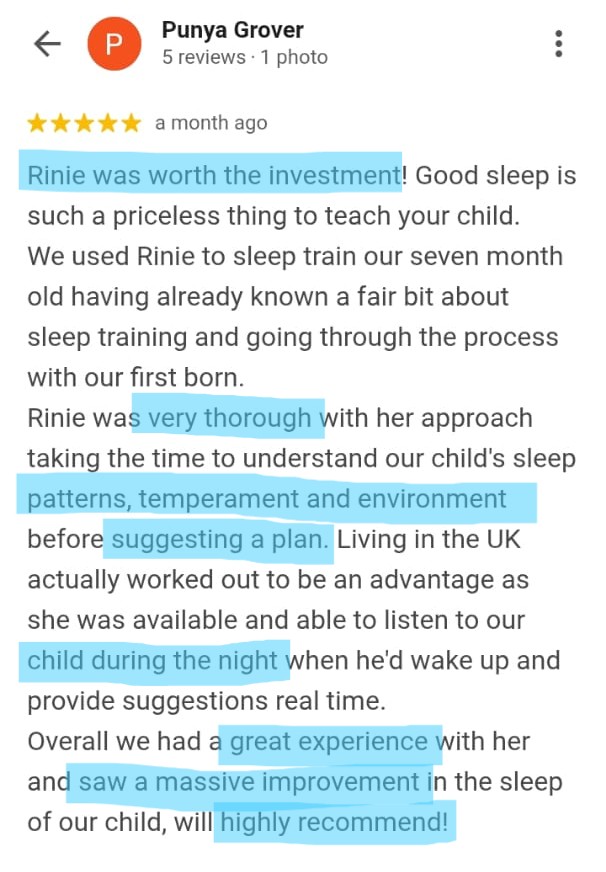
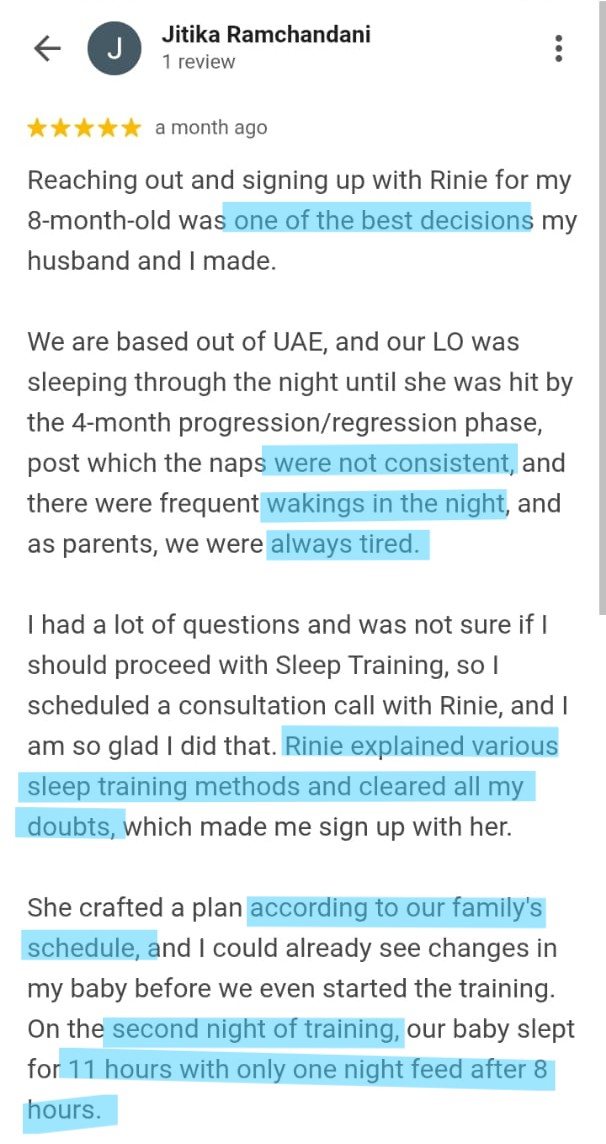
Look at our reviews
Written By:


