How to Stop Baby From Waking Up Every Hour?
May 19, 2026
If your baby is waking up every hour through the night, please know this you are not doing anything wrong. Hourly wakes are one of the most common struggles I see as a certified baby sleep consultant, and the good news? They always have a reason, and once we fix that reason, babies sleep longer, deeper, and happier.
Let’s break down what’s really happening and how to help your little one sleep in longer stretches.
What Causes Babies to Wake Every Hour?
1. Overtiredness From the Day
When naps are short or bedtime is too late, babies build up cortisol (the stress hormone).
And an overtired baby → frequent night wakings, especially in the first half of the night.
Signs of overtiredness:
-
Taking forever to fall asleep
-
Lots of crying at sleep time
-
Waking up soon after being put down
If you’re unsure whether your baby is overtired or simply not tired enough, read:
Overtired vs Undertired Baby: Signs, Causes, and How to Fix Both
2. Too Many Sleep Associations
If baby needs rocking, feeding, patting, or you lying next to them to fall asleep, they’ll look for the same thing every time they enter a light sleep stage — which happens every 45–60 minutes.
This is one of the biggest reasons I help parents work on independent sleep.
3. Inconsistent Day Routine
If wake windows are off either too long or too short nights become messy.
Common signs:
-
Bedtime battles
-
Split nights
-
Hourly wakes
-
Early rising
4. Hunger or Developmental Changes
Before 4–6 months, some night feeds are normal.
But if your baby is waking 8–10 times to feed, it’s rarely hunger it’s usually a comfort association.
During milestones (rolling, crawling, standing), wakings may increase temporarily.
5. Discomfort
Check for:
-
Teething
-
Gas
-
Tummy discomfort
-
Being too warm or too cold
-
Tight clothing or swaddle
Discomfort wakes look different baby often sounds unsettled even after you soothe them.

How to Stop Hourly Night Wakings (Step-by-Step)
1. Start With a Predictable Day Routine
A consistent rhythm helps regulate baby's internal clock.
General wake windows (approx):
-
0–3 months: 60–90 mins
-
4–6 months: 1.75–2.5 hours
-
6–9 months: 2.5–3 hours
-
9–12 months: 3–4 hours
-
12–18 months: 3.5–5 hours
Once day sleep stabilizes, nights automatically improve.
2. Move Bedtime Earlier
Most babies do best with bedtime between 6:30 PM – 8:00 PM.
Earlier bedtime reduces overtiredness and can dramatically reduce hourly wakes within days.
3. Create a Consistent Sleep Environment
Your baby's room should be:
-
Dark (really dark!)
-
Quiet with white noise
-
Cool (around 22–24°C)
-
Safe, clutter-free crib
A stable environment helps your baby link sleep cycles independently.
4. Reduce Sleep Associations Gradually
If baby needs help falling asleep, you don’t have to remove everything at once.
You can slowly:
-
Reduce rocking time
-
Put baby down drowsy but awake
-
Replace feeding-to-sleep with a feed earlier in the bedtime routine
-
Use a gentle method like Pick Up Put Down or Chair Method
Small changes → big differences in night sleep.
If feeding to sleep has become the main way your baby falls asleep, this guide will help you understand when it becomes a sleep association and how to gently move away from it:
Is Feeding to Sleep a Bad Habit?
5. Teach Independent Sleep
This is key for stopping hourly wakes.
When babies learn:
“I can fall asleep on my own,”
they also learn:
“I can go back to sleep on my own.”
This is what turns 10–12 wakes into 1–2 or none.
There are several gentle, responsive sleep training methods you don’t have to use cry-it-out to get good sleep.
6. Maintain Full Feeds in the Day
Many hourly night-waking babies snack all day.
Aim for full feeds every 2.5–3.5 hours depending on age.
More calories in the day = fewer wakes at night.
7. Give It 3–5 Days
Sleep improves quickly once the right routine and sleep habits are in place.
Most families I work with see a major drop in night wakings by Day 3.
When Should You Get Help?
If your baby is:
-
Waking every 45–60 minutes
-
Taking short naps
-
Only sleeping on you
-
Feeding multiple times at night for comfort
-
Fighting bedtime for hours
Then it’s time to get personalised support.
Every baby is different, and sometimes you need a plan designed exactly for your child’s age, temperament, and your parenting style.

Ready to Help Your Baby Sleep Longer Stretches?
If you’re exhausted from hourly wakings and nothing seems to work, I’d love to help you.
My Personalised Sleep Training Program gives you a step-by-step plan tailored to your baby, daily support, and gentle methods that actually work.
👉 Learn more & start your baby’s sleep transformation:
Yawn to Dawn Consulting
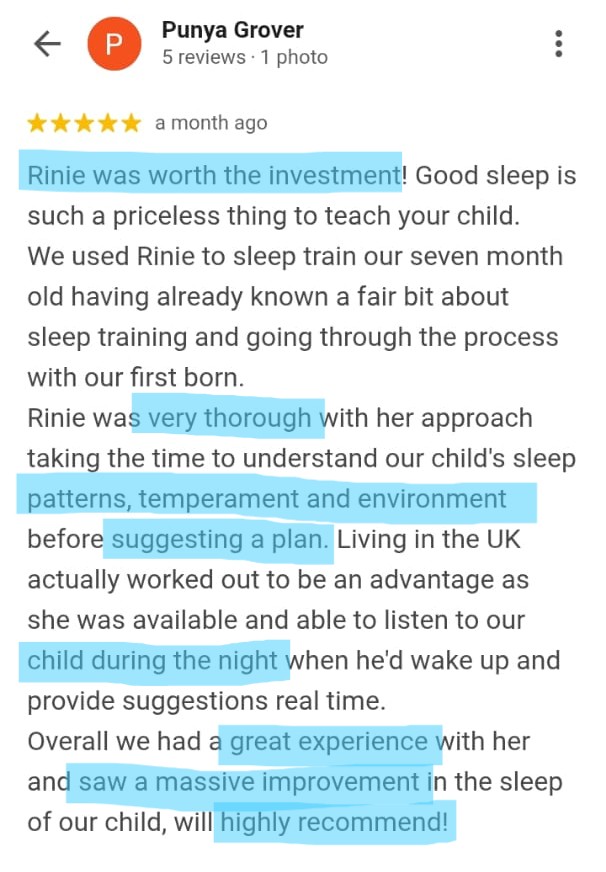
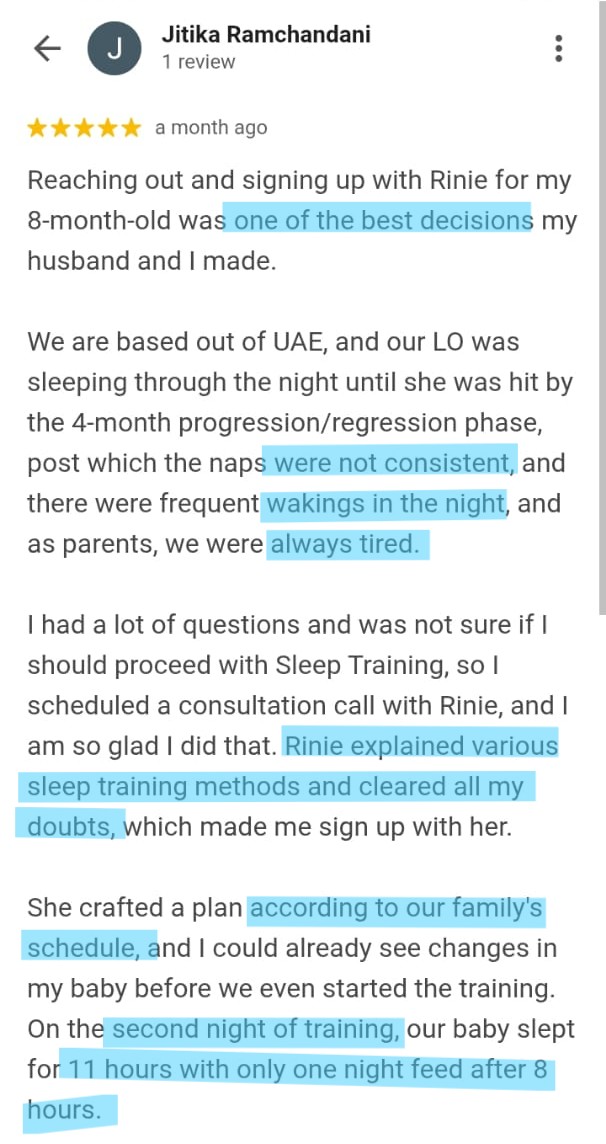
Look at our Reviews
Written By:


