Is Feeding to Sleep a Bad Habit?
Mar 27, 2026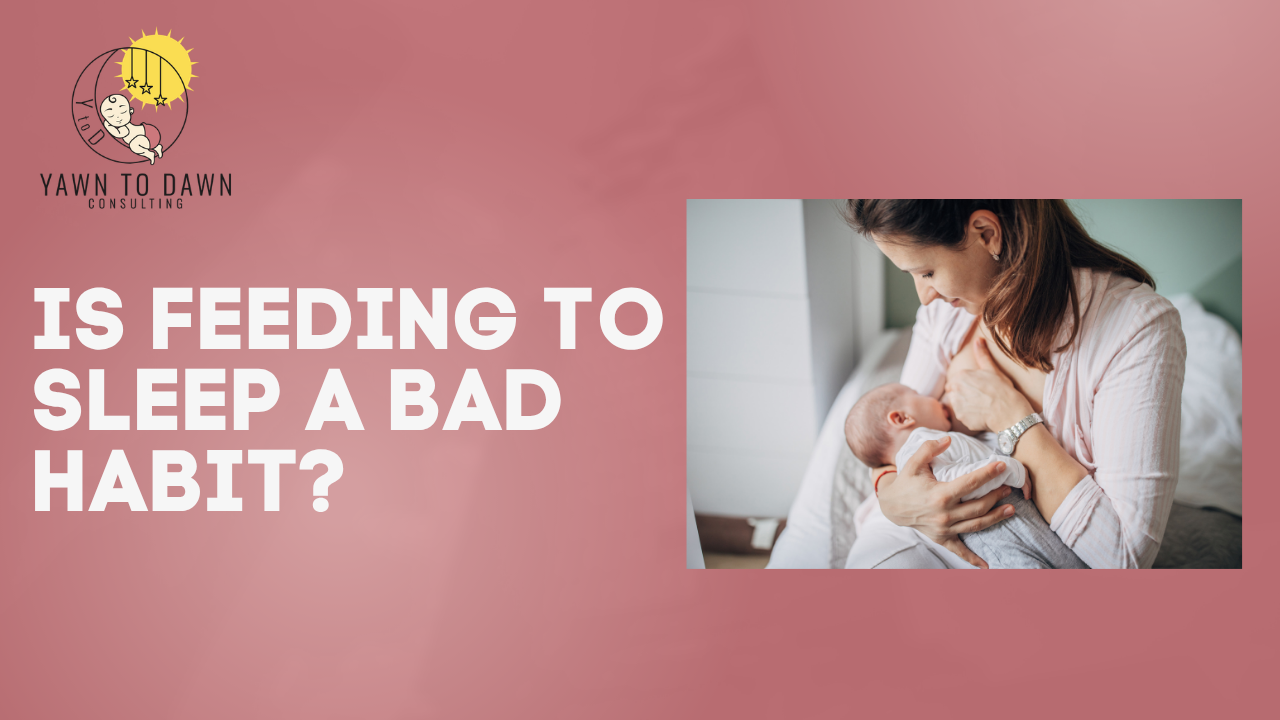
Feeding to sleep is one of the most debated topics in baby sleep. Many parents are told early on that feeding their baby to sleep will create a bad habit that is hard to break later.
The truth is more nuanced. Feeding to sleep is not inherently bad. In many cases, it is completely normal, biologically appropriate, and even helpful. Whether it becomes a problem depends on how it affects your baby’s sleep and your family’s well being.
Why Feeding to Sleep Feels So Natural
Babies are biologically wired to feel sleepy after feeding. Feeding triggers the release of calming hormones that help babies relax and drift into sleep.
For newborns especially, feeding to sleep:
- Helps regulate their nervous system
- Supports bonding and attachment
- Makes settling easier during early months
This is why feeding to sleep works so well in the beginning.
When Feeding to Sleep Is Not a Problem
Feeding to sleep is usually not a concern when:
- Your baby can still sleep for reasonable stretches
- Night wakings are age appropriate
- You feel rested enough and supported
- Feeding feels like a choice, not an obligation
In these situations, feeding to sleep is simply a tool that supports sleep.
When Feeding to Sleep Can Start Affecting Sleep
For some babies, feeding to sleep becomes the primary way they know how to fall asleep.
The Sleep Cycle Connection
Babies briefly wake between sleep cycles. If feeding is the only way they fall asleep, they may need feeding again each time they wake.
This can lead to:
- Frequent night wakings
- Short naps
- Difficulty resettling without feeding
The issue is not feeding itself, but the reliance on feeding for every transition into sleep.
Feeding to Sleep at Different Ages
Newborn Stage
In the newborn phase, feeding to sleep is developmentally appropriate and encouraged. Sleep patterns are immature, and comfort feeding plays an important role in regulation.
Older Babies
As babies grow, they become capable of learning other ways to settle. If feeding remains the only sleep association, it may begin to impact longer stretches of sleep.
Toddlers
In toddlers, feeding to sleep can sometimes interfere with independent settling and night sleep if it is required repeatedly through the night.
Does Feeding to Sleep Affect Attachment?
Feeding to sleep does not harm attachment. Responsive feeding builds trust and security. There is no evidence that feeding to sleep damages emotional development.
Healthy attachment is built through consistent, responsive care, not through avoiding comfort.
How to Gently Move Away From Feeding to Sleep If Needed
Start With Bedtime Awareness
Notice whether feeding always happens at the very end of the bedtime routine. Small changes here can make a difference.
Separate Feeding From Falling Fully Asleep
You can gently aim to feed your baby until calm and drowsy, rather than fully asleep, without removing comfort.
Make Changes Gradually
There is no need to stop feeding to sleep suddenly. Gradual shifts are often more effective and less stressful for both baby and parent.
When You Do Not Need to Change Anything
If feeding to sleep:
- Is working for your family
- Does not lead to excessive night wakings
- Does not feel emotionally or physically draining
Then there is no reason to change it.
Sleep support should fit your baby and your family, not rigid rules.
Final Thoughts on Feeding to Sleep
Feeding to sleep is not a bad habit. It is a normal part of early development. It only becomes a concern when it no longer supports restful sleep or family well being.
The goal is not independence at all costs, but sustainable sleep that feels calm, responsive, and manageable.
1:1 Baby Sleep Training Support
For families who’ve tried schedules, apps, and advice, 1:1 sleep training offers personalized guidance based on your baby’s temperament, age, and sleep history.
👉 Explore 1:1 baby sleep training here:
https://www.yawntodawnconsulting.com/
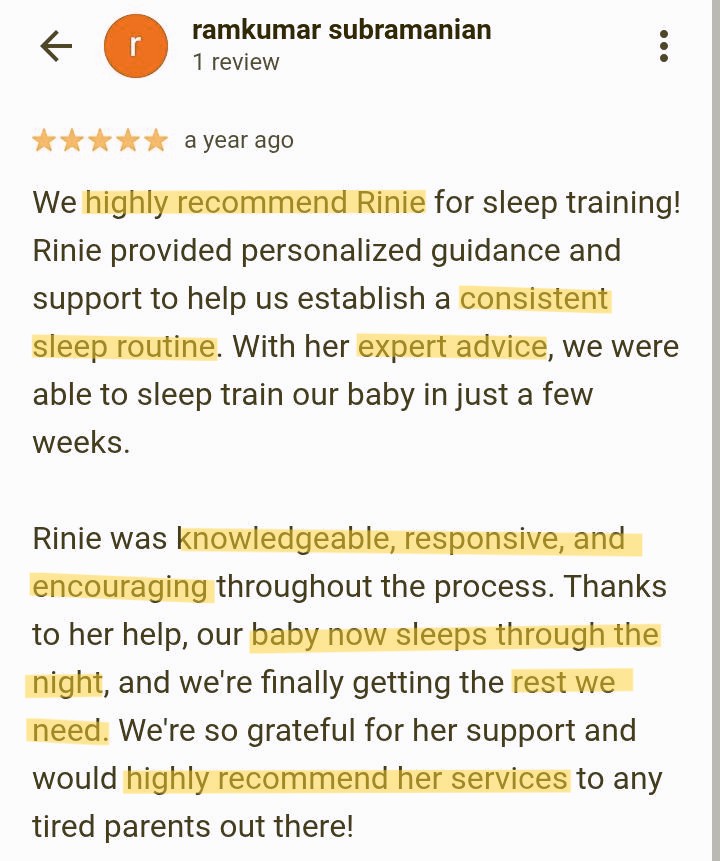
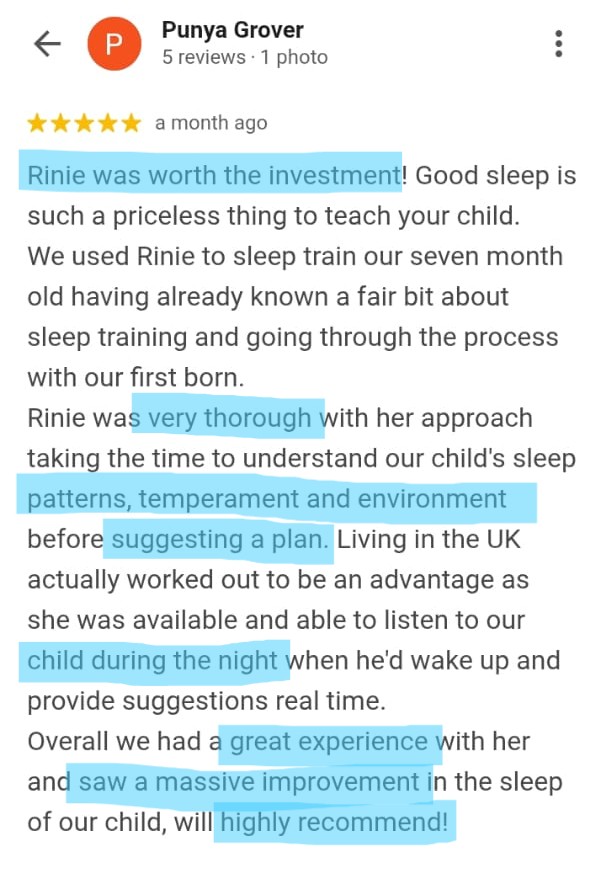
Look at our reviews
Written By:


