How to Teach Your Baby to Sleep Independently (Without Cry It Out)
Apr 30, 2026
If your baby needs to be rocked, fed, or held to sleep every night, you’re not alone.
Many parents find themselves repeating the same routine at bedtime and during night wakings, often multiple times a night, just to help their baby fall back asleep.
Over time, this can become exhausting.
And naturally, you start wondering:
Is it possible for my baby to learn to sleep independently without crying it out?
The answer is yes.
But it’s important to understand what independent sleep really means, and how to approach it in a way that feels responsive and realistic for your family.
What Does Independent Sleep Actually Mean?
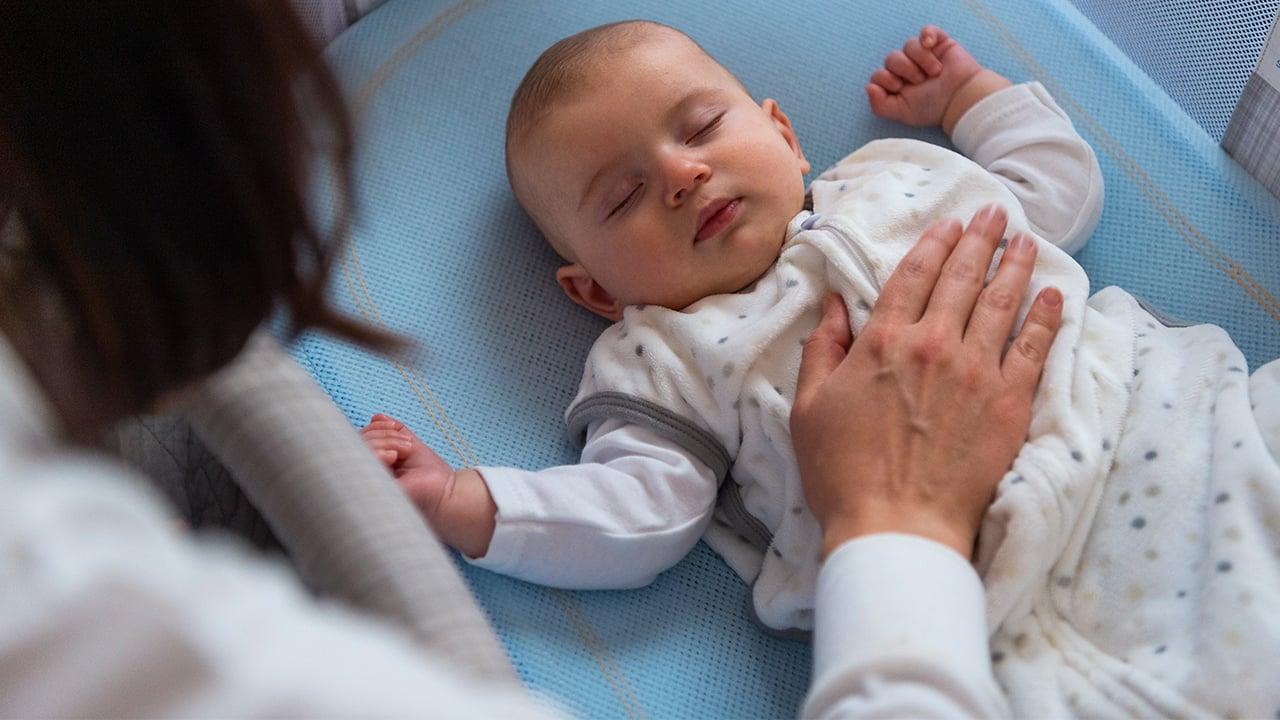
Independent sleep does not mean leaving your baby alone or ignoring their needs.
It simply means that your baby is able to fall asleep without relying on constant external support like rocking, feeding, or being held.
This matters because of how sleep works.
As babies move through sleep cycles, they briefly wake between cycles. If they rely on a certain condition to fall asleep, they often need that same condition again during the night.
This is one of the most common reasons babies wake frequently. If your baby is waking very often, especially every hour, it is usually linked to how they are falling asleep at the start of the night. You can explore this further in why babies wake every hour at night.
Why Many Parents Hesitate to Teach Independent Sleep
For many parents, the idea of teaching independent sleep feels uncomfortable.
There is often a fear that it involves leaving the baby to cry or not responding to their needs.
But independent sleep can be taught in a gradual, responsive way that allows you to support your baby while still helping them build new skills.
It’s not about removing comfort.
It’s about changing how that comfort is provided over time.

When Is the Right Time to Start?
There is no single “perfect” age, but most babies are developmentally ready to begin learning independent sleep around 4–6 months.
This is when:
-
Sleep cycles mature
-
Babies are more capable of self-soothing
-
Patterns begin to form more clearly
If your baby’s sleep has recently changed, you might be wondering whether it’s a regression or something else. Understanding sleep regression vs sleep habit can help you decide whether this is the right time to make changes.
Signs Your Baby May Benefit from Learning Independent Sleep
Not every baby needs structured sleep support.
But some signs suggest that independent sleep could make a big difference:
-
Your baby wakes frequently throughout the night
-
Bedtime takes a long time and involves a lot of effort
-
Your baby relies on feeding or rocking to fall asleep
-
Naps are short or inconsistent
If you’re unsure whether this is a temporary phase, it can help to understand how long sleep regressions last, especially when sleep disruptions continue for longer than expected.
Gentle Ways to Teach Independent Sleep
There is no one method that works for every family.
The goal is to choose an approach that feels sustainable and aligns with your comfort level.
Gradual reduction of support
If your baby is used to being rocked or fed to sleep, you can begin by slowly reducing that support.
For example:
-
Rock slightly less each night
-
Put your baby down a little more awake than before
-
Pause before responding immediately to every small movement
This allows your baby to adjust gradually, without sudden changes.
Consistent bedtime routine
A predictable bedtime routine helps signal to your baby that sleep is coming.
This might include:
-
Feeding
-
Bath
-
Gentle play
-
Story or lullaby
Consistency is more important than complexity. A simple routine done the same way each night builds familiarity and comfort.
Creating the right sleep environment
Your baby’s environment plays a big role in how easily they fall and stay asleep.
A supportive sleep space should be:
-
Dark
-
Quiet or supported with white noise
-
Cool and comfortable
When the environment remains consistent, it becomes a strong cue for sleep.
Responding with intention
As your baby learns new sleep skills, they may still need reassurance.
The key is to respond in a way that supports learning, rather than reinforcing old patterns.
For example:
-
Offer comfort without immediately picking up
-
Use your voice or gentle touch
-
Give your baby a moment to try settling before stepping in
This balance helps your baby feel supported while building confidence.
What to Expect During the Process
Learning independent sleep is not always linear.
Some nights may feel easier, while others may feel more challenging.
You may notice:
-
Some resistance at bedtime
-
Changes in night wakings
-
Gradual improvements over time
Consistency is what helps things settle.
Small, steady changes tend to be more effective than sudden shifts.
Common Mistakes That Slow Progress
While teaching independent sleep, a few patterns can make the process harder:
-
Changing your approach every night
-
Introducing new sleep habits during difficult phases
-
Expecting immediate results
It’s important to give your baby time to adjust and to stay consistent with your approach.
Final Thought
Teaching your baby to sleep independently is not about doing less for your baby.
It’s about helping your baby develop a skill that allows them to sleep more comfortably and consistently.
When approached gently and consistently, independent sleep can lead to longer stretches of rest for both your baby and you.
Need Help with Sleep Training?
If you’re not sure where to start or want a personalised plan that works for your baby, you don’t have to figure it out alone.
At Yawn to Dawn Consulting, we guide you step by step through a gentle, responsive approach to better sleep.
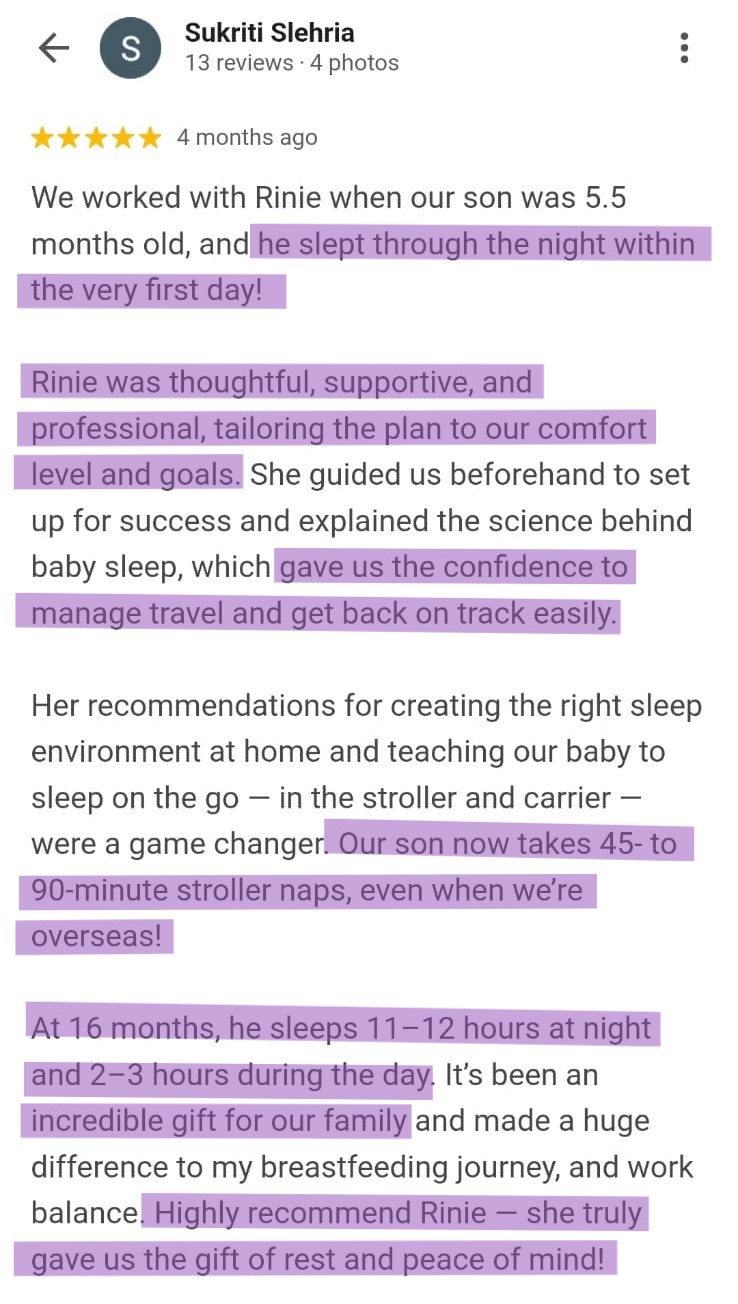
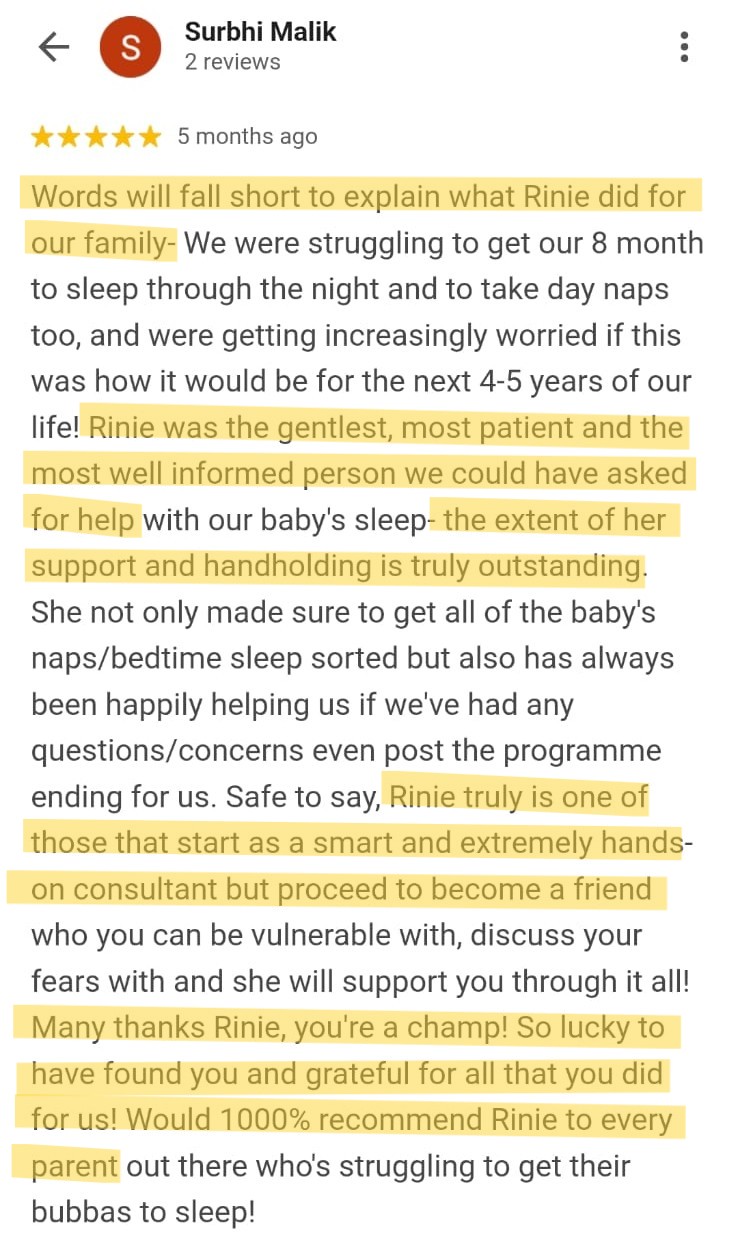
Look at our reviews
Written By:


