How Long Do Sleep Regressions Last?
Apr 28, 2026
If your baby’s sleep has suddenly changed, you’re probably asking the one question every tired parent asks:
How long is this going to last?
You may have heard that sleep regressions last a few days or a couple of weeks. And while that can be true, it often doesn’t match what many parents actually experience.
Some babies seem to “move through” a regression quickly. Others continue waking frequently for weeks or even months, leaving parents feeling confused and stuck.
The reason for this is simple.
Sleep regressions are temporary—but the patterns that form during them are not always temporary.
And that is what determines how long this phase really lasts for your baby.

The Honest Answer Most Parents Don’t Hear
Most information online simplifies sleep regressions into neat timelines. But baby sleep doesn’t follow a fixed schedule.
A regression is not something that starts on a specific date and ends on another. It is usually tied to a developmental shift, and how your baby responds to that shift depends on several factors.
In some cases, sleep improves once your baby adapts to the change.
In other cases, the disruption continues because something new has been introduced into your baby’s sleep routine.
This is where many parents get stuck.
What begins as a temporary phase slowly turns into an ongoing pattern.
If you’re unsure whether that’s happening, it’s important to understand the difference between a regression and a learned pattern. This is explained in more detail in sleep regression vs sleep habit, and it often holds the key to why sleep isn’t improving.
Typical Duration of Common Sleep Regressions
While there is no universal timeline, understanding common phases can help you set realistic expectations.
4 month sleep regression
This is the most significant and misunderstood phase in baby sleep.
Around 4 months, your baby’s sleep cycles mature. Instead of moving through simpler sleep patterns, your baby now cycles through light sleep, deep sleep, and REM sleep, much like an adult.
This means your baby:
-
Wakes more fully between sleep cycles
-
Becomes more sensitive to how they fall asleep
-
Is more likely to notice changes in their sleep environment
This phase can feel like a sudden disruption, but it is actually a permanent change in how your baby sleeps.
What improves over time is not the regression ending, but your baby’s ability to move between sleep cycles more smoothly.
6–10 month phase
This stage is often referred to as the “8-month sleep regression,” but it is not tied to a specific age.
During this period, your baby is going through rapid physical and cognitive development. They may be:
-
Learning to crawl or pull to stand
-
Becoming more aware of their surroundings
-
Experiencing early signs of separation anxiety
Because babies reach these milestones at different times, the disruption can happen anywhere between 6 and 10 months.
For some babies, this phase lasts a few days. For others, it can extend longer, especially if sleep becomes more fragmented.
If your baby is waking very frequently during this time, especially every hour, it is worth looking beyond development alone. This detailed guide on why babies wake every hour at night can help you understand the deeper causes.

Toddler sleep disruptions
As your baby grows into a toddler, sleep challenges are less about biological changes and more about emotional and behavioural development.
You may notice:
-
Increased resistance at bedtime
-
Night wakings linked to separation anxiety
-
Testing of boundaries
These phases can last anywhere from a few days to a few weeks, depending on how consistently sleep routines are maintained.
Consistency plays a much bigger role at this stage than age or development alone.

Why Some Sleep Regressions Last Longer Than Expected
This is the part that often makes the biggest difference.
When a regression lasts longer than expected, it is usually because other factors have come into play alongside the developmental change.
Sleep habits formed during regressions
During difficult phases, it is completely natural to offer more comfort.
You might rock your baby more, feed more frequently, or stay with them longer to help them settle.
While this support is responsive and appropriate, it can sometimes lead to your baby becoming used to a certain way of falling asleep.
Over time, your baby may begin to rely on that same support after every sleep cycle.
This is when night wakings continue, not because of the regression itself, but because a new pattern has formed.
Understanding sleep regression vs sleep habit becomes essential here, because the approach to improving sleep depends on which one you are dealing with.
Overtiredness
When sleep is disrupted, schedules often become less predictable.
Naps may be shorter or missed, bedtimes may shift, and wake windows may become longer than your baby can comfortably handle.
This leads to overtiredness, which triggers stress hormones in the body.
An overtired baby:
-
Finds it harder to fall asleep
-
Wakes more frequently at night
-
Has more fragmented sleep overall
This creates a cycle where poor sleep leads to more wakings, and more wakings lead to even poorer sleep.
Inconsistent routines
When nothing seems to be working, it’s natural to try different approaches each night.
But inconsistency can make sleep more confusing for your baby.
If the way your baby falls asleep keeps changing, it becomes harder for them to understand what to expect. This uncertainty can prolong sleep disruptions.
A consistent routine, even if simple, helps your baby feel secure and supports more stable sleep patterns.
Do Sleep Regressions Go Away on Their Own?
Sometimes they do.
If the disruption is purely developmental and your baby’s sleep habits remain consistent, sleep often improves as your baby adjusts.
But this is not always the case.
In many situations, regressions do not simply disappear. They shift into ongoing sleep challenges because of changes in how your baby falls asleep or how wakings are handled.
This is especially common when wakings become very frequent.
If your baby is waking every hour, it is often a sign that something more than a regression is happening. This is explained in detail in baby waking every hour at night, where you can explore the underlying causes and solutions.
How to Shorten a Sleep Regression
While you cannot stop your baby’s development, you can influence how long it affects their sleep.
Maintain consistency
Try to keep your baby’s sleep routine as predictable as possible.
A consistent bedtime, similar wake windows, and a familiar sleep environment help regulate your baby’s internal clock.
Even during disruptions, consistency creates stability.
Avoid introducing new sleep dependencies
It’s natural to offer comfort, but try to be mindful of creating new patterns that may be difficult to sustain.
Small, gradual support works better than sudden changes.
The goal is to support your baby while still allowing them the opportunity to connect sleep cycles.
Support your baby through development
Give your baby plenty of opportunities during the day to practice new skills.
Whether it’s rolling, crawling, or standing, daytime practice reduces the urge to practice at night.
This often leads to more settled sleep.
Final Thought
Sleep regressions are not defined by a fixed timeline.
Some pass quickly, while others last longer because of underlying factors like sleep habits, overtiredness, or inconsistency.
When you understand what is really happening, you stop waiting for sleep to improve on its own and start making changes that support better sleep.
And that is where things begin to shift.
Need Help Understanding Your Baby’s Sleep?
If your baby’s sleep has been disrupted for longer than expected and you’re not sure why, you don’t have to figure it out alone.
At Yawn to Dawn Consulting, we help you understand exactly what’s affecting your baby’s sleep and guide you step by step toward better nights.
👉 Explore support here: https://www.yawntodawnconsulting.com/
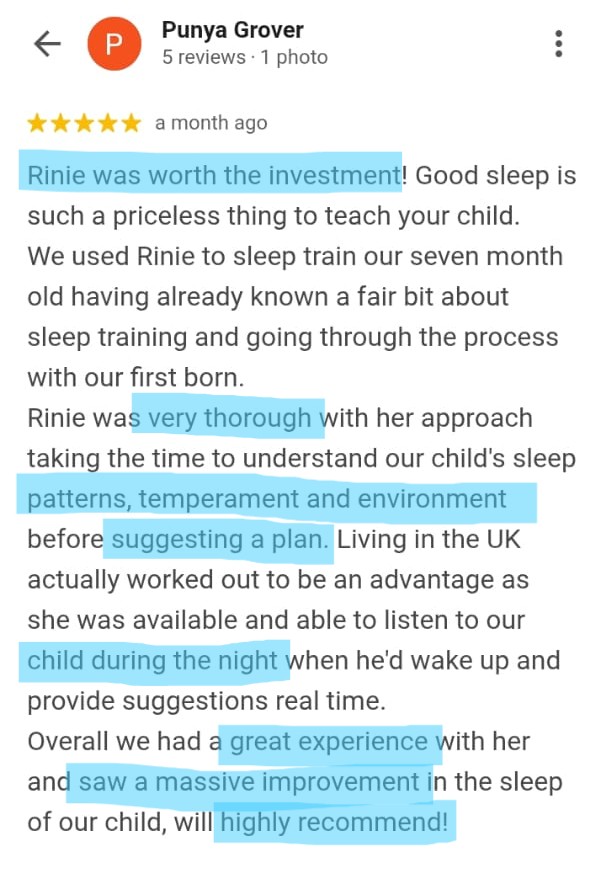
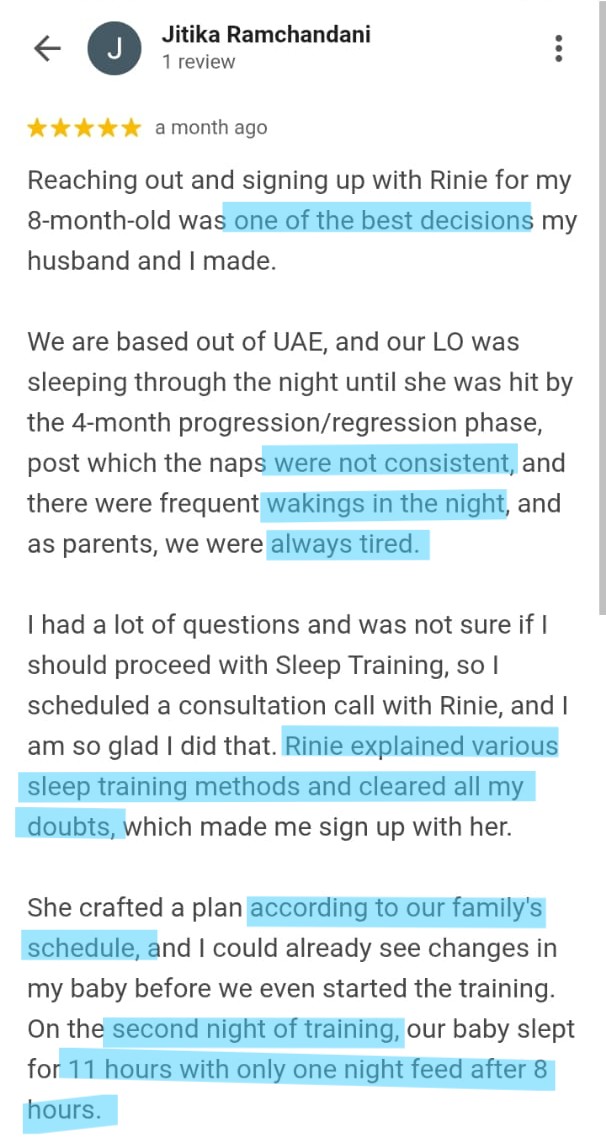
Look at our Reviews
Written By:


