Why Is My Baby Waking Every Hour at Night?
Apr 25, 2026
If your baby is waking every hour at night, you’re likely running on very little sleep and a lot of questions. You might be wondering if this is a sleep regression, if your baby is hungry, or if this is just something you have to wait out.
Let me say this clearly. While frequent night wakings are common, waking every hour consistently is not something you need to accept as normal.
There is always a reason behind it. And once you understand that reason, you can start making changes that actually improve your baby’s sleep, instead of just coping with it.
What It Means When Your Baby Is Waking Every Hour
To understand why this is happening, it helps to first understand how your baby sleeps.
Sleep is made up of cycles. Each cycle lasts about 45–60 minutes in babies. At the end of every cycle, there is a brief moment of partial waking before the next cycle begins.
Adults experience this too, but we usually don’t notice it because we are able to drift back to sleep independently.
Babies, however, often need the same conditions they had at the start of sleep to fall back asleep again.
So if your baby is waking every hour, it usually means this:
they are fully waking at the end of each sleep cycle and are unable to transition into the next one without help.
This is why the wakings feel so predictable and frequent.

The Most Common Reasons Your Baby Keeps Waking Up
In most cases, hourly wakings are not caused by just one factor. They are usually the result of a combination of sleep habits, schedule issues, and developmental changes.
Sleep associations that require your help to fall back asleep
One of the most common reasons for frequent night wakings is a strong sleep association.
If your baby falls asleep while being rocked, fed, or held, they learn to rely on that exact condition to fall asleep. When they wake between sleep cycles, they look for the same support again.
This is not a “bad habit” your baby is forming intentionally. It is simply how their brain has learned to connect sleep.
But over time, this can lead to a pattern where your baby wakes every hour, fully expecting your help each time.
Overtiredness and poor sleep pressure
This one often surprises parents because it seems counterintuitive.
You might think that keeping your baby awake longer will make them sleep better. But when a baby becomes overtired, their body releases stress hormones like cortisol.
These hormones make it harder for your baby to fall asleep and stay asleep.
An overtired baby may:
-
Wake frequently at night
-
Take short, fragmented naps
-
Seem restless even while sleeping
Even small mismatches in wake windows can create this pattern over time.
Hunger vs habitual waking
Another important factor to consider is whether your baby is genuinely hungry or waking out of habit.
In younger babies, especially during growth spurts, increased night wakings can be due to a real need for calories.
However, in older babies, frequent feeding at night can sometimes become a pattern rather than a need. The baby wakes, expects a feed, and then falls back asleep quickly, repeating this cycle throughout the night.
The key difference is:
-
Hunger-based wakings are usually more spaced out and involve full feeds
-
Habit-based wakings tend to be frequent and involve short feeds
Understanding this difference is crucial before making any changes.
Developmental changes and regressions
At certain stages, your baby’s development can temporarily disrupt sleep.
Learning to roll, crawl, pull to stand, or even becoming more aware of their surroundings can lead to increased night wakings.
Your baby may wake up because:
-
They want to practice a new skill
-
Their brain is more active and alert
-
They are experiencing separation anxiety
These wakings are usually temporary, but they can still contribute to frequent disruptions if combined with other factors.
How to Identify What’s Causing Your Baby’s Night Wakings
Before trying to fix the wakings, it’s important to step back and observe patterns.
Ask yourself:
-
How does my baby fall asleep at bedtime? Is it independent or with assistance?
-
Are wake windows age-appropriate, or is my baby staying awake too long?
-
Is my baby feeding well during the day, or relying more on night feeds?
-
Has there been a recent developmental change, illness, or routine shift?
These questions help you move from guessing to understanding.
Because without identifying the root cause, it’s easy to try solutions that don’t actually address the problem.
How to Stop Your Baby from Waking Every Hour
The solution depends entirely on the cause. There is no single fix that works for every baby.
What to do if it’s a sleep association
If your baby relies heavily on external help to fall asleep, the goal is to gradually reduce that dependency.
This does not mean suddenly removing all support. Instead, it involves guiding your baby toward falling asleep with less assistance over time, while still responding to their needs.
As your baby learns to fall asleep more independently at bedtime, they are more likely to connect sleep cycles without needing help every hour.
What to do if your baby is overtired
Take a close look at your baby’s daily schedule.
Are wake windows too long? Are naps inconsistent? Is bedtime too late?
Adjusting these factors can significantly improve sleep. Even a 15–20 minute shift in timing can reduce overtiredness and lead to longer stretches of sleep at night.
Consistency plays a big role here. A predictable rhythm helps regulate your baby’s internal clock.
What to do if hunger is involved
If hunger is a genuine factor, the focus should be on improving daytime intake.
Make sure your baby:
-
Is feeding fully during the day
-
Is not distracted during feeds
-
Is getting enough overall calories
If night feeds are still needed, try to keep them structured and purposeful, rather than frequent and reactive.
When Night Wakings Are Not Normal
It is completely normal for babies to wake at night occasionally.
But waking every hour, night after night, is usually a sign that something in your baby’s sleep environment, routine, or habits needs adjustment.
This is not something that typically resolves on its own without some level of change.
When to Seek Help
If you’ve tried adjusting routines, improving sleep conditions, and observing patterns, but your baby is still waking every hour, it can be incredibly frustrating.
This is often the point where having expert guidance makes a difference.
Because sometimes, the issue is not obvious. It could be a small detail in your baby’s schedule or sleep setup that is having a big impact.
If your baby is waking every hour and you’re not sure what’s causing it, you don’t have to figure it out alone.
At Yawn to Dawn Consulting, we help you understand exactly what’s going on with your baby’s sleep and guide you step by step toward better nights.
👉 Explore support here: https://www.yawntodawnconsulting.com/
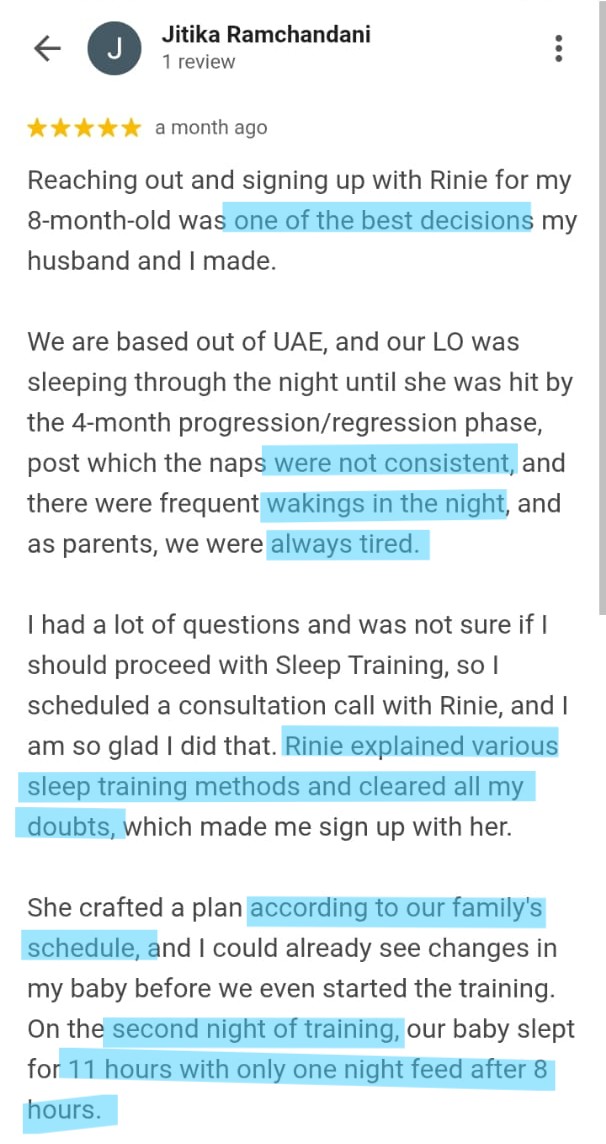
Look at our Reviews

Written By:


