Sleep Regression vs Sleep Habit: How to Tell the Difference
Apr 25, 2026
If your baby’s sleep has suddenly gotten worse, it’s very easy to assume you’re dealing with a sleep regression.
Your baby is waking more often, resisting sleep, and needing more help than before. Naturally, you think this is just a phase that will pass.
But here’s something most parents don’t realize.
Not every sleep disruption is a sleep regression.
In many cases, what looks like a regression is actually a sleep habit that has developed over time. And the way you respond depends entirely on which one it is.
Why This Confusion Happens So Often
The term “sleep regression” is widely used, but often misunderstood.
Parents are told to expect regressions at certain ages, so when sleep suddenly becomes difficult, it feels logical to label it as one.
At the same time, sleep habits develop gradually. Because they don’t appear overnight, they are harder to recognize.
The result is that many ongoing sleep challenges get mistaken for temporary regressions, which leads to frustration when things don’t improve on their own.
What a Sleep Regression Actually Looks Like
A sleep regression is a temporary disruption in sleep that is usually linked to a developmental change.
Your baby might suddenly:
-
Wake more frequently at night
-
Take shorter naps
-
Resist falling asleep
This often happens alongside:
-
Learning a new skill like rolling or crawling
-
Increased awareness of surroundings
-
Phases of separation anxiety
One of the key characteristics of a regression is that it is temporary in nature.
Sleep may feel disrupted for a short period, but once your baby adjusts to the developmental change, it often improves, especially if sleep habits remain consistent.

What a Sleep Habit Looks Like
A sleep habit, on the other hand, is a learned pattern.
It develops when your baby consistently relies on a certain condition or form of support to fall asleep.
For example:
-
Being rocked to sleep
-
Feeding to sleep
-
Needing to be held or soothed every time they wake
Over time, your baby begins to expect this support not just at bedtime, but after every sleep cycle.
This leads to frequent wakings that continue night after night, not because of development, but because the pattern has been reinforced.
Key Differences Between a Regression and a Habit
Understanding the difference comes down to observing patterns.
Duration and pattern of wakings
A regression typically shows up suddenly and may feel intense, but it tends to improve over time.
A sleep habit, however, continues consistently without improvement and can even become more frequent if reinforced.
Dependency on parental help
During a regression, your baby may need a bit more reassurance, but they are not entirely dependent on a specific method to fall asleep.
With a sleep habit, your baby relies heavily on a particular form of help every time they wake.
How your baby falls asleep
How your baby falls asleep at bedtime is one of the biggest clues.
If your baby needs assistance to fall asleep at the start of the night, they are more likely to need that same assistance throughout the night.
This often points toward a sleep habit rather than a regression.
Why Misidentifying This Can Make Sleep Worse
If a sleep habit is mistaken for a regression, parents often take a “wait it out” approach.
During this time, the habit continues to strengthen.
What could have been a short phase turns into a long-term sleep challenge, with more frequent wakings and increased dependency.
On the other hand, if a genuine regression is handled with too many sudden changes, it can create unnecessary stress for both the baby and the parent.
This is why identifying the root cause matters so much.
What to Do Once You Know the Difference
Once you understand what you’re dealing with, your approach becomes much clearer.
If it’s a regression:
-
Focus on maintaining consistency in your baby’s routine
-
Offer reassurance without introducing new sleep habits
-
Give your baby time to adjust to the developmental change
If it’s a sleep habit:
-
Start gently reducing the level of support your baby needs to fall asleep
-
Work toward helping your baby connect sleep cycles more independently
-
Stay consistent, as mixed responses can reinforce the pattern further
The goal is not to remove support suddenly, but to guide your baby toward more independent sleep in a gradual and responsive way.
Final Thought
Not every difficult night is a sleep regression.
Sometimes, it’s your baby asking for the same help they’ve learned to rely on. And while regressions pass, sleep habits tend to stay until they are gently changed.
When you understand the difference, you move from guessing to responding with clarity. And that’s when sleep truly begins to improve.

Need Help Understanding Your Baby’s Sleep?
If you’re unsure whether you’re dealing with a regression or a sleep habit, you don’t have to figure it out on your own.
At Yawn to Dawn Consulting, we help you identify exactly what’s affecting your baby’s sleep and guide you step by step toward better, more restful nights.
👉 Explore support here: https://www.yawntodawnconsulting.com/
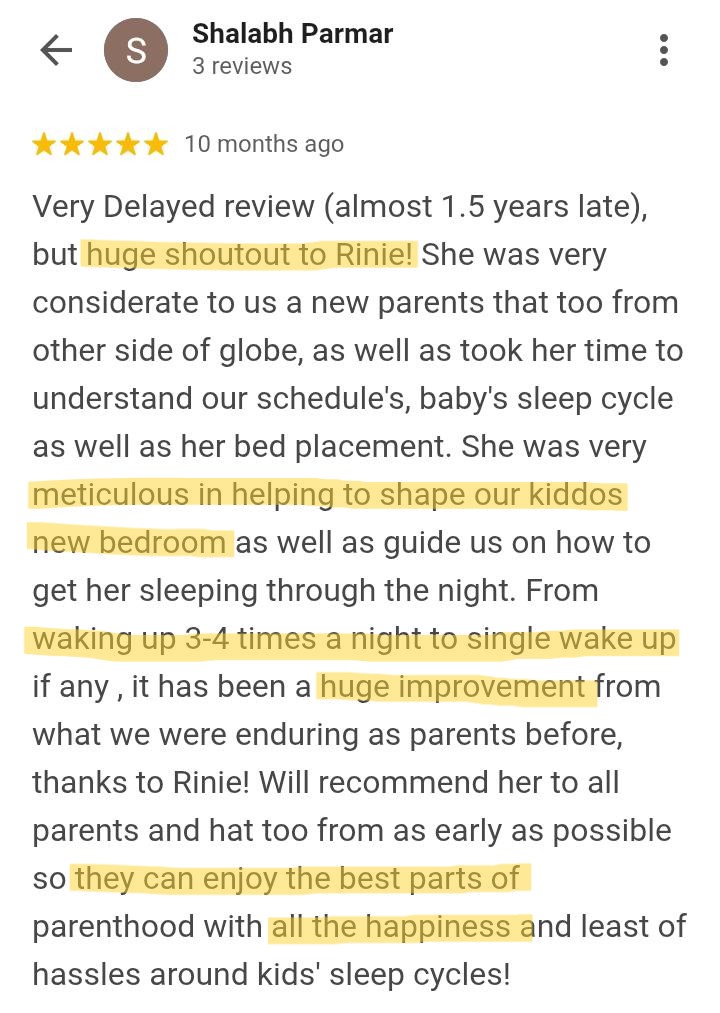
Look at our reviews

Written By:


