How to Handle Early Morning Wakings in Babies and Toddlers
May 14, 2026
If your baby is waking up at 5 AM ready to start the day while you feel completely exhausted, you’re not alone.
Early morning wakings are one of the most common sleep struggles parents face.
And often, they’re also one of the most confusing.
Because unlike middle-of-the-night wakings, early rising can seem unpredictable. One day your baby sleeps until 7 AM, and the next day they’re awake before sunrise.
Naturally, many parents assume:
-
their baby simply isn’t tired
-
they’re hungry
-
or they’re just an “early riser”
But in many cases, early morning waking is actually connected to schedules, sleep pressure, and sleep habits.
The good news is that once you understand the cause, it becomes much easier to improve.

What Counts as an Early Morning Waking?
A baby waking for the day before 6 AM is generally considered an early morning waking.
This is because sleep pressure is naturally lowest during the early morning hours. That means even small disruptions can fully wake your baby at this time.
Unfortunately, this also makes early wakings one of the trickiest sleep challenges to resolve.
Why Early Morning Wakings Happen
Early rising is rarely random.
In most cases, there is an underlying reason affecting your baby’s sleep.
Overtiredness
This is one of the biggest causes of early waking.
When babies become overtired, their bodies produce stress hormones like cortisol. These hormones make sleep lighter and more fragmented, especially during the early morning hours.
Ironically, a baby who seems tired all day may actually need better daytime sleep and earlier sleep support.
This is why understanding how to fix your baby’s sleep schedule becomes so important when dealing with early wakings.
Bedtime is too late
Many parents assume a later bedtime will lead to sleeping in later.
But for babies, the opposite is often true.
A late bedtime can increase overtiredness, which frequently leads to earlier waking.
Sleep associations
If your baby relies on rocking, feeding, or being held to return to sleep, they may struggle to resettle independently during the early morning hours.
Because sleep pressure is low at this time, babies are more likely to fully wake instead of drifting back to sleep.
This connects closely with teaching your baby to sleep independently without cry it out, especially when early waking becomes a consistent pattern.
Schedule imbalance
Wake windows that are too long or too short can both contribute to early waking.
Even one poorly timed nap can affect the early morning hours.
Developmental changes and regressions
Sometimes early waking increases during developmental phases.
If your baby is suddenly waking earlier alongside other sleep disruptions, it may help to understand when babies have sleep regressions and why they happen.
Signs That the Schedule May Be the Problem
Certain patterns often suggest that early waking is connected to timing rather than hunger or habit alone.
Your baby may:
-
Wake happy and energetic at 5 AM
-
Take short naps during the day
-
Struggle with bedtime
-
Seem overtired by evening
-
Wake frequently overnight as well
When these patterns happen together, the schedule is usually the first place to look.

How to Fix Early Morning Wakings
Improving early wakings takes consistency and patience.
Because early morning sleep is naturally light, small changes can make a big difference over time.
Start with bedtime
An earlier bedtime is often one of the most effective solutions.
If your baby is overtired, shifting bedtime earlier by even 15–30 minutes can improve sleep quality significantly.
Protect naps
Good daytime sleep supports better morning sleep.
Overtiredness from poor naps tends to build throughout the day and show up as early waking.
Keep the room dark
Light signals to the body that it’s time to wake up.
Blackout curtains can make a huge difference, especially during summer months or early sunrises.
Avoid starting the day too early
If your baby wakes at 5 AM, try to avoid immediately treating it as morning whenever possible.
Keeping interactions calm, dark, and quiet helps reinforce that it is still sleep time.
Look at independent sleep skills
Babies who can connect sleep cycles more independently are often better able to resettle during the early morning hours.
If your baby depends heavily on support to sleep, this may be contributing to the pattern.

How Long Does It Take to Improve Early Wakings?
Early morning wakings are rarely fixed overnight.
Because the body clock is involved, it often takes at least 1–2 weeks of consistent changes before improvement becomes noticeable.
This is why consistency matters more than quick fixes.
Common Mistakes Parents Make
When trying to fix early wakings, some approaches can unintentionally make things harder.
These include:
-
Pushing bedtime too late
-
Allowing overtiredness to build
-
Changing schedules every day
-
Starting the day immediately at 5 AM
-
Introducing new sleep habits during difficult phases
Small, consistent adjustments tend to work much better.
Final Thought
Early morning wakings can feel incredibly exhausting, especially when they become part of your daily routine.
But they are usually a signal, not a personality trait.
When you understand what’s driving the early waking, whether it’s overtiredness, schedule imbalance, or sleep habits, you can begin making changes that support more restful sleep.
And often, those small adjustments lead to much bigger improvements than parents expect.
Need Help with Early Morning Wakings?
If your baby’s early wakings have become a daily struggle and you’re not sure what to adjust, you don’t have to figure it out alone.
At Yawn to Dawn Consulting, we help families identify the root cause of sleep struggles and create gentle, realistic plans for better sleep.
👉 Explore support here: https://www.yawntodawnconsulting.com/
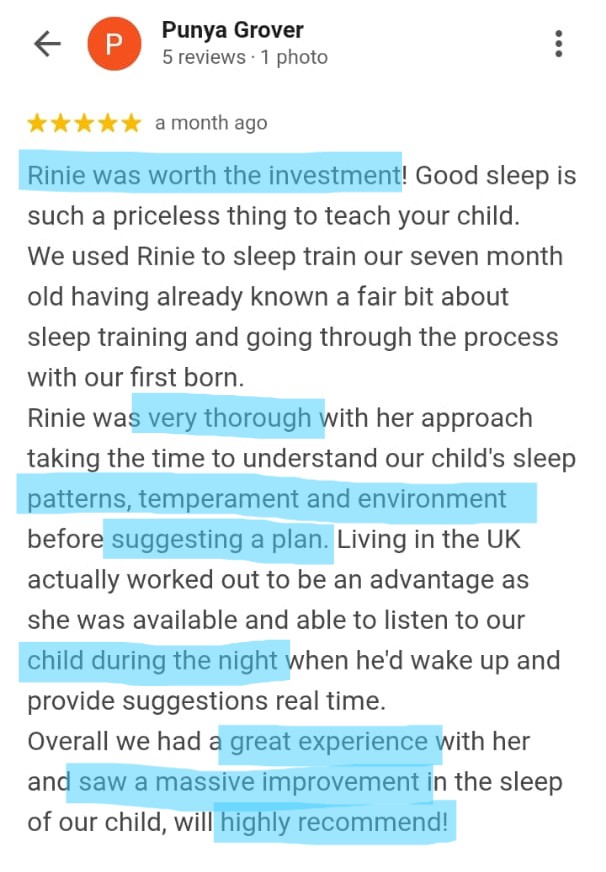
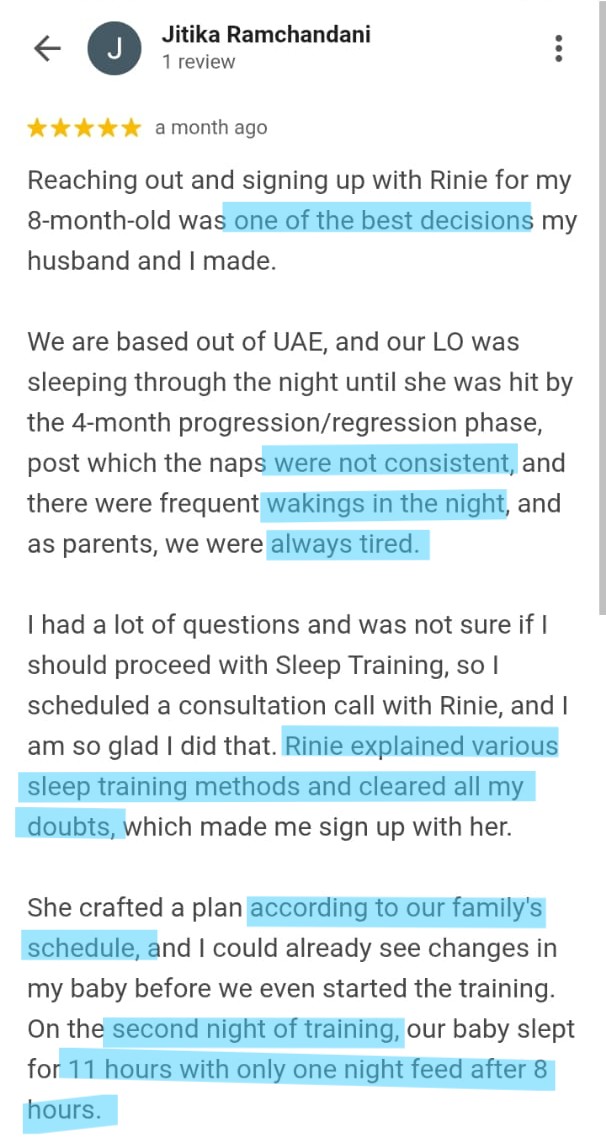
Look at the reviews
Written By:


