Top Questions About Your Newborn’s Sleep Answered by a Pediatric Sleep Specialist
Jul 13, 2026
Bringing home a newborn is one of life's most beautiful experiences, but it can also be one of the most overwhelming.
One moment you're admiring your tiny baby, and the next you're wondering if they're sleeping too much, not sleeping enough, or why they're suddenly wide awake at 2 a.m.
As a certified pediatric sleep consultant, these are some of the most common questions I hear from new parents. The good news is that most newborn sleep challenges are completely normal, and understanding what's happening can make those early weeks feel far less stressful.
This article is adapted from an episode of the Modern Indian Parent Podcast, where I sat down with pediatric nutritionist Sanchita Daswani to answer the newborn sleep questions parents ask me every single day.
If you'd rather listen than read, you can find the full podcast episode linked below.
Why Does Newborn Sleep Feel So Confusing?
The moment parents bring their newborn home, the questions begin.
Where should my baby sleep?
How much sleep do they actually need?
Why do they seem to sleep all day but stay awake for hours at night?
How do I know if what I'm doing is right?
It's completely normal to feel overwhelmed because newborn sleep is very different from adult sleep. During the first few months, babies are still adjusting to life outside the womb. Their sleep is driven primarily by hunger and biological development rather than a predictable day and night schedule.
Instead of expecting a routine straight away, the goal should be to understand what's normal and create healthy sleep foundations that will support your baby's development over time.
What's the Worst Sleep Advice New Parents Receive?
One piece of advice that many parents hear is:
"Just go with the flow."
While flexibility is certainly important during the newborn stage, relying entirely on chance often leaves families feeling exhausted and frustrated.
Without any structure, babies can easily become overtired, making it harder for them to settle and sleep well.
Rather than following a strict schedule, I encourage parents to introduce gentle structure from the very beginning. Small, consistent habits can help your baby gradually understand the difference between day and night while making life much more predictable for the whole family.
Can Newborns Have a Routine?
Absolutely.
The key is understanding that a newborn routine looks very different from an adult routine.
You don't need to schedule every feed or every nap.
Instead, I recommend focusing on two simple anchors in your baby's day.
The first is a consistent morning wake-up time.
Choose a time that works for your family and aim to start your baby's day around the same time each morning, allowing for a little flexibility.
The second is a consistent bedtime.
Even though newborns still wake frequently overnight, having a fairly regular bedtime helps begin establishing their internal body clock, also known as the circadian rhythm.
These two simple habits provide gentle consistency without placing unrealistic expectations on either you or your baby.
If you'd like to learn more about age-appropriate routines, you may also enjoy reading my blog on Newborn Wake Windows, where I explain how awake time changes during the first few months.
How Much Sleep Does a Newborn Need?
One of the biggest concerns new parents have is whether their baby is getting enough sleep.
Most healthy newborns sleep somewhere between 14 and 17 hours over a 24-hour period, although some babies may naturally need a little more or a little less.
Unlike older babies, newborns don't sleep for long stretches overnight.
Instead, they sleep in multiple short periods throughout the day and night, usually waking every one to three hours for feeding.
If your newborn consistently gets significantly less sleep than expected, it may affect feeding, mood, and overall development.
Rather than focusing on individual naps, look at your baby's total sleep across the entire day.
Why Do Newborns Wake So Frequently at Night?
This is probably one of the questions I hear most often.
Parents often assume that if their baby keeps waking overnight, something must be wrong.
In reality, frequent night wakings are completely normal during the newborn stage.
One reason is that newborns don't begin producing their own melatonin, the hormone that helps regulate sleep, until they are around two to three months old.
Until then, they don't naturally understand the difference between day and night.
When your baby wakes overnight, try to keep interactions calm and quiet.
Avoid turning on bright lights.
Keep voices soft.
Use dim lighting if needed, preferably a warm or red light.
Feed your baby, change their diaper if necessary, and help them return to sleep without introducing unnecessary stimulation.
These simple habits gradually teach your baby that nighttime is for sleeping rather than playing.
If your newborn seems awake for long stretches overnight, you may also find my blog Newborn Awake for Hours at Night? Here's Why It Happens and What to Do helpful.
Where Should a Newborn Sleep?
Another question parents ask me all the time is whether their newborn should sleep in a crib, bassinet, or in the same bed as them.
The safest recommendation is that your baby sleeps in the same room as you for at least the first six months. Room-sharing has been shown to reduce the risk of Sudden Infant Death Syndrome (SIDS) while allowing you to respond easily to your baby's feeding and comfort needs.
Some families choose to use a crib or bassinet, while others decide to co-sleep. Every family's situation is different, and sometimes your original plan changes once your baby arrives.
The most important priority isn't where your baby sleeps. It's ensuring that whichever sleep arrangement you choose is as safe as possible.
If you're considering co-sleeping, make sure you understand the current safe sleep recommendations and take steps to reduce any avoidable risks.
Can My Baby Sleep in Another Room With a Nanny?
This is becoming an increasingly common question, especially for families who have overnight help.
The answer is yes, provided it is done safely.
Your baby should always sleep on a separate, firm sleep surface such as a crib or bassinet. They should never share a bed with a nanny or caregiver.
It's also important to ensure that the caregiver is well-rested. A tired adult is far more likely to accidentally fall asleep while holding a baby on a sofa or chair, which is one of the most dangerous sleep situations for an infant.
A safe sleep environment is far more important than who is in the room with your baby.
What Should Be Inside My Baby's Crib?
This is one area where my answer is very simple.
Nothing.
Your baby's crib should contain only three things:
-
A firm mattress
-
A fitted sheet
-
Your baby
That's it.
As parents, it's easy to get carried away decorating a beautiful nursery. Social media is filled with picture-perfect cribs containing soft blankets, pillows, cot bumpers, stuffed toys, and sleep loungers.
While they may look cosy, they aren't safe for sleep.
Soft objects inside the crib can increase the risk of suffocation and Sudden Unexpected Infant Death (SUID), particularly during the first few months when babies begin moving but don't yet have the strength or coordination to move themselves away from an obstruction.
The highest risk is generally between two and four months of age.
During this stage, babies may accidentally roll against a pillow, blanket, or soft toy without being able to reposition themselves.
Following safe sleep guidelines may not create the most Instagram-worthy nursery, but it creates the safest environment for your baby.
If you'd like to learn more about creating a safe sleep environment, you may also enjoy reading my blog on Safe Sleep Guidelines for Newborns.
Should Newborns Nap in a Bright Room or a Dark Room?
Parents are often surprised by my answer.
During the day, I actually encourage newborns to nap in a bright environment with normal household sounds.
There's no need to tiptoe around the house or create complete silence every time your baby falls asleep.
Natural daylight and everyday sounds help your baby begin understanding the difference between daytime and nighttime.
At night, however, the environment should change.
Keep the room dark.
Reduce noise and stimulation.
Speak softly and avoid unnecessary interaction.
This contrast between day and night gradually supports the development of your baby's circadian rhythm over the first few months.
Should I Use White Noise?
White noise can be an excellent sleep tool for many newborns.
The continuous sound closely resembles what babies heard inside the womb, making the transition to the outside world feel calmer and more familiar.
For safe use, keep the white noise machine about five to six feet away from your baby's sleep space and use a volume of approximately 50 to 60 decibels.
Never place the machine inside the crib or directly beside your baby's head.
Used appropriately, white noise can help babies fall asleep more easily while reducing the impact of everyday household noises.
Many parents also find that it becomes a helpful sleep cue as their baby grows.
When Should I Stop Using White Noise?
There isn't a magic age when white noise suddenly becomes unnecessary.
Some babies naturally stop needing it as they grow older.
Others continue sleeping better with it well into childhood.
Even many adults sleep with white noise because they find it relaxing.
If it's helping your baby sleep well and you're using it safely, there's no need to rush to remove it.
Does My Baby's Temperament Affect Sleep?
Absolutely.
No two babies are exactly alike.
Some babies seem capable of sleeping through almost anything.
Others wake the moment a door closes or a spoon drops in the kitchen.
Neither is right or wrong.
Your baby's temperament plays a significant role in how sensitive they are to light, sound, routine, and changes in their environment.
Rather than comparing your baby with someone else's, observe how your own baby responds.
Understanding your baby's unique temperament allows you to create a sleep environment that genuinely supports their individual needs instead of trying to follow a one-size-fits-all approach.
Are Feeding and Rocking to Sleep Really Bad Habits?
One of the biggest worries new parents have is whether they're creating "bad habits" by feeding or rocking their newborn to sleep.
The simple answer is no.
During the newborn stage, your baby has just transitioned from the womb into a completely new environment. Feeding, cuddling, rocking, and holding your baby are all developmentally appropriate ways to help them feel safe, secure, and settled.
Newborns have immature sleep cycles and depend heavily on their caregivers for comfort and regulation. These soothing methods closely mimic the environment they experienced before birth and can be incredibly effective in helping them fall asleep.
In my experience, around 70% of families never encounter long-term sleep challenges from feeding or rocking to sleep.
Only a smaller group of babies become highly dependent on these sleep associations, meaning they need the exact same assistance every time they transition between sleep cycles.
Rather than worrying about creating bad habits from day one, I encourage parents to focus on meeting their newborn's needs. If your baby is feeding well, growing well, and everyone is getting adequate rest, there's no need to change something that's working.
If, later on, these sleep associations begin causing frequent night wakings or become unsustainable for your family, they can always be addressed in an age-appropriate and gentle way.
If you'd like to understand this topic in greater detail, you may also enjoy reading my blog The Complete Guide to Baby Sleep Associations, where I explain which sleep associations are helpful and which may become challenging over time.
Should You Use a Jhula for Your Newborn?
This is one area where I encourage parents to prioritise safety above tradition.
Many Indian families have used jhulas or traditional cloth swings for generations, and while they can sometimes be used briefly to soothe a baby, I do not recommend using them for prolonged or unsupervised sleep.
The biggest concern is that most jhulas don't provide a flat sleep surface.
Instead, the curved position can cause a baby's head to fall forward, increasing the risk of positional asphyxiation, where the airway becomes partially blocked.
As babies become more active and begin rolling, there is also a greater risk of falling or becoming trapped against the fabric.
Many homemade jhulas are also not safety tested, making it difficult to know whether they provide adequate support.
If you choose to use a jhula to calm your baby, treat it only as a temporary soothing tool.
Once your baby is calm or asleep, transfer them to a firm, flat sleep surface such as a crib or bassinet.
What's the Best Way to Help a Newborn Fall Asleep?
If you're looking for ways to soothe your newborn without relying solely on feeding or rocking, one of the most effective approaches is Dr. Harvey Karp's 5 S's.
These techniques are designed to recreate the comforting sensations babies experienced in the womb.
They include:
Swaddle
Wrapping your baby snugly helps reduce the Moro or startle reflex, allowing them to stay asleep for longer.
Side or Stomach Position for Soothing
Holding your baby on their side or stomach can be calming while you're soothing them.
However, remember that babies should always be placed on their back for sleep.
Shush
Making a gentle "shhh" sound or using white noise helps recreate the familiar sounds babies heard before birth.
Swing
Small, quick, rhythmic movements are often far more soothing than large rocking motions.
Suck
Allowing your baby to suck on the breast, bottle, or a pacifier can provide comfort and help them settle more easily.
Together, these techniques often help calm even fussy newborns while supporting healthy sleep.
Is Swaddling Safe?
Yes, when used correctly.
Swaddling can be a wonderful tool during the newborn stage because it reduces the startle reflex and helps babies feel secure.
I generally recommend swaddling for both naps and nighttime sleep, provided your baby is sleeping on a flat, separate sleep surface.
However, I do not recommend swaddling if you're bed-sharing.
A swaddled baby has limited arm movement, making it harder for them to reposition themselves if they accidentally roll or become trapped against an adult.
If you're co-sleeping, a wearable sleep sack is usually the safer option.
When Should You Stop Swaddling?
You should stop swaddling as soon as your baby shows signs of rolling, which is often somewhere between 8 and 12 weeks, although every baby develops differently.
At that stage, continuing to swaddle becomes a safety risk.
Some parents prefer transitioning gradually by leaving one arm out for a few nights, then both arms out before moving to a sleep sack.
Others choose to stop swaddling all at once.
Both approaches can work.
While some babies initially protest the change, they usually adjust with consistency and patience.
The Bottom Line
The newborn stage comes with countless questions, and it's completely normal to feel uncertain from time to time.
The good news is that newborn sleep doesn't have to be perfect.
By understanding what's developmentally normal, creating safe sleep environments, and responding to your baby's individual needs, you're already laying the foundation for healthy sleep habits.
Remember, every baby is different. Comparing your newborn to someone else's often creates unnecessary stress. Focus on understanding your own baby's cues, temperament, and sleep needs instead.
You Don’t Have to Guess Your Way Through Newborn Sleep
Your baby’s sleep doesn’t have to feel like a constant guessing game.
Learn how newborn sleep works, what your baby is trying to tell you, and what you can do to make sleep easier, safer, and more predictable, without following confusing advice from everyone around you.
👉 Learn More & Start the Newborn Sleep Course
Because when you understand your baby’s sleep, you can stop second-guessing yourself and start feeling more confident.

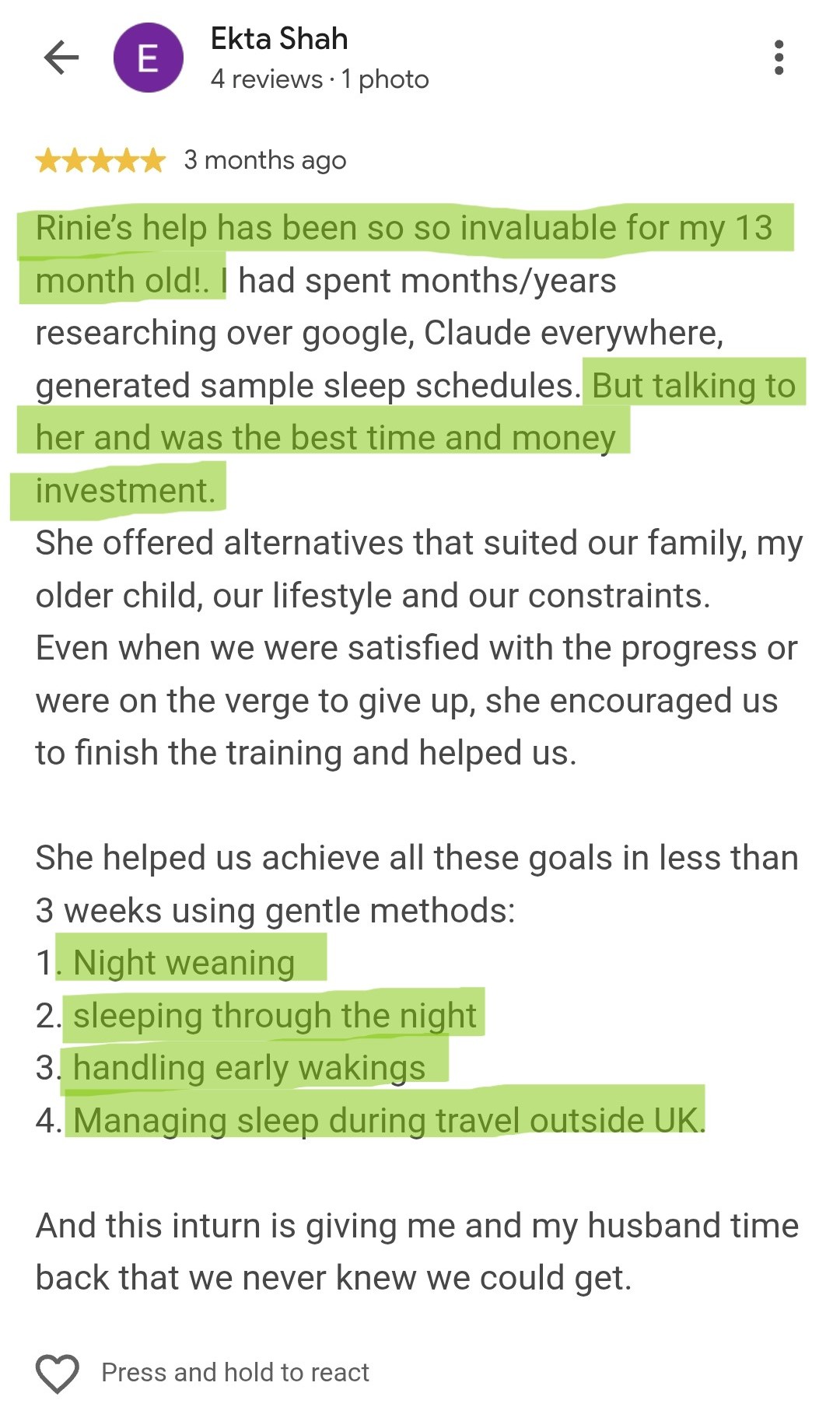
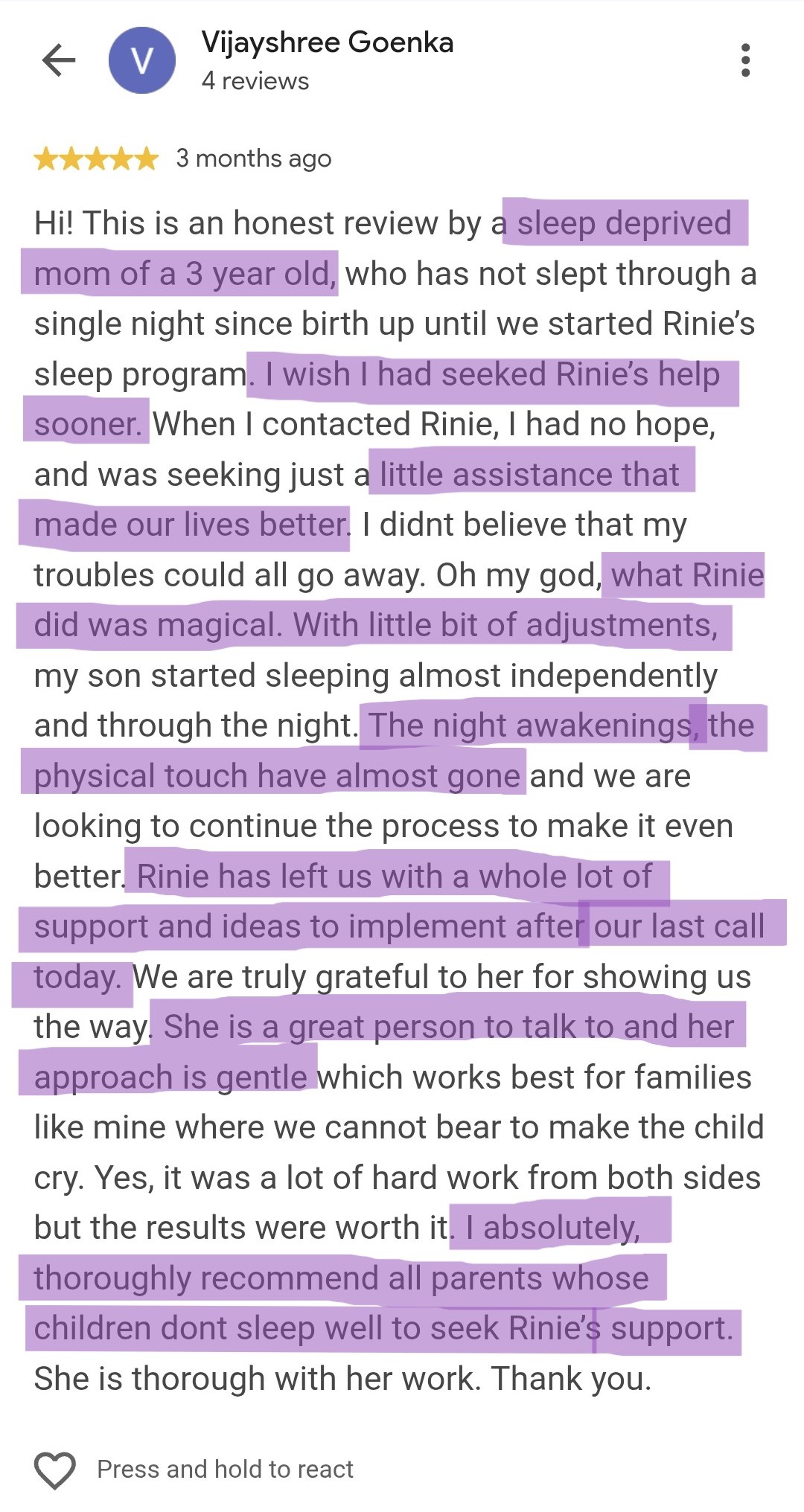
Look at our Reviews
\
Written By:


