Why Is My Newborn So Noisy While Sleeping?
Jul 06, 2026
Bringing your newborn home is exciting, emotional, and if I'm being honest, a little overwhelming too. Every tiny movement, every little sound, and every change in their breathing can make you wonder if everything is okay.
One concern I hear from new parents all the time is, "Why is my newborn so noisy while sleeping?"
Parents often tell me they expected their baby to sleep peacefully, only to find themselves lying awake listening to grunts, squeaks, snorts, groans, little cries, and even sounds that resemble talking. Some babies are so noisy that parents end up checking the bassinet every few minutes because they're convinced their little one has woken up.
The reassuring news is that in most cases, noisy newborn sleep is completely normal.
Your baby is going through an incredible amount of growth during the first few months of life. Their brain is developing rapidly, their digestive system is still learning how to function efficiently, and their sleep cycles are very different from yours. All of these factors contribute to the sounds you hear throughout the night.
Understanding what's happening can help you worry less and enjoy this precious stage a little more.
Is It Normal for a Newborn to Be Noisy While Sleeping?
The short answer is yes.

In fact, most healthy newborns are surprisingly noisy sleepers.
Unlike adults, newborns spend a large portion of their sleep in what's known as active sleep. This stage of sleep is lighter than deep sleep and is an important part of healthy brain development. During active sleep, babies naturally move more, make facial expressions, twitch, stretch, and produce all sorts of little sounds.
You might hear your baby grunt, squeak, sigh, whimper, suck, or even let out a brief cry before settling back down again. While these sounds can catch you off guard, they usually don't mean your baby is awake or uncomfortable.
Many parents assume that a noisy baby is a baby who needs to be picked up immediately. In reality, your newborn may still be sleeping peacefully.
What Is Active Sleep?
Think about how quietly adults usually sleep. We move between sleep cycles without making much noise because our sleep patterns are fully developed.
Newborns haven't reached that stage yet.
Nearly half of a newborn's sleep is spent in active sleep. During this stage, their brain is busy processing new experiences and supporting healthy neurological development.
It's perfectly normal to notice your baby:
- Grunting
- Smiling
- Twitching
- Stretching
- Moving their arms and legs
- Opening their eyes briefly
- Making sucking motions
- Breathing a little faster before slowing down again
These behaviours often worry parents because they look like signs that the baby is waking up. More often than not, your baby is still asleep.
One of the most helpful things you can learn during the newborn stage is to recognise the difference between active sleep and true wakefulness.
Why Does My Newborn Grunt While Sleeping?
Grunting is probably the sound parents ask me about the most.
Although it can sound uncomfortable, occasional grunting is usually linked to your baby's developing digestive system.
Your newborn is still learning how to coordinate the muscles needed to pass gas and have bowel movements. Even something that seems effortless for adults requires practice for a newborn.
As a result, your baby may grunt while sleeping, especially after a feed or during the early hours of the morning.
If your baby is feeding well, gaining weight appropriately, and seems content when awake, this type of grunting is generally considered normal.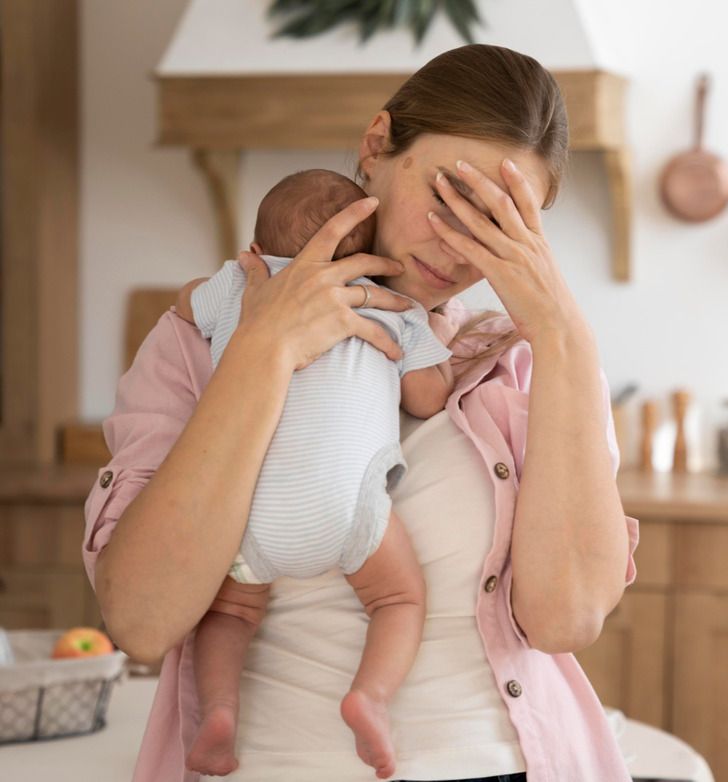
Why Does My Baby Sound Congested?
Another reason newborns seem noisy is because their nasal passages are incredibly tiny.
Even a small amount of mucus or dried milk can make their breathing sound much louder than it actually is.
Parents often describe hearing snorting, snuffling, or squeaking sounds during sleep.
Unless your baby has difficulty breathing, a fever, or signs of illness, these noises are usually just a reflection of their tiny airways rather than actual congestion.
Newborn Breathing Isn't Always Regular
Many parents are surprised to learn that newborn breathing is naturally irregular.
Your baby may breathe quickly for a few seconds, slow down, pause briefly, and then take a deeper breath.
This pattern is called periodic breathing and is common during the newborn stage.
While these changes can sound alarming when you're listening closely at 2 a.m., they are often a normal part of your baby's developing respiratory system.
Should You Pick Your Baby Up Every Time They Make Noise?
One of the biggest mistakes parents make is assuming every sound means their baby needs help.
Imagine if someone woke you up every time you rolled over in bed.
You probably wouldn't sleep very well.
The same can happen with newborns.
During active sleep, babies naturally stretch, wiggle, grunt, and even make small crying sounds before settling themselves again.
If your baby's eyes remain closed and the noises stop after a few moments, try waiting before picking them up.
Giving your newborn a minute or two allows you to see whether they're genuinely awake or simply transitioning between sleep cycles.
Of course, if your baby begins crying consistently, appears hungry, or seems uncomfortable, they should absolutely be comforted.
When Should You Be Concerned?
Although noisy sleep is usually normal, there are situations where it's important to contact your pediatrician.
Seek medical advice if your baby:
- Has difficulty breathing
- Breathes very rapidly for extended periods
- Has blue lips or skin
- Pulls in the skin around the ribs or neck while breathing
- Has persistent wheezing or high-pitched breathing sounds
- Chokes frequently during feeds
- Is difficult to wake for feeds
As parents, you know your baby best. If something doesn't feel right, it's always better to seek medical advice rather than wait.
How Can You Help Your Newborn Sleep Better?
You can't eliminate normal newborn sleep noises, but you can create an environment that supports healthy sleep.
Keep the room dark for naps and bedtime to help your baby's internal body clock gradually develop.
Using continuous white noise can recreate the familiar sounds of the womb while reducing sudden household noises that might disturb sleep.
Watching your baby's wake windows can also make a significant difference. An overtired newborn often finds it harder to settle and may appear fussier during sleep.
If you're unsure how long your baby should stay awake, you may find our guide on What Are Normal Newborn Wake Windows? helpful.
As always, follow safe sleep recommendations by placing your baby on their back on a firm, flat mattress without pillows, blankets, bumpers, or soft toys.
Will My Baby Eventually Become a Quieter Sleeper?
Yes.
As your baby's nervous system matures, their sleep becomes more organised and predictable.
Over the first few months, you'll probably notice fewer grunts, less twitching, and quieter sleep overall.
Their digestive system also becomes more efficient, and their breathing patterns gradually mature.
Every baby develops at their own pace, so don't worry if your friend's baby seems quieter than yours.
Frequently Asked Questions
Why does my newborn grunt but keep sleeping?
Grunting is usually caused by active sleep or your baby's developing digestive system. If your baby continues sleeping comfortably, it's generally nothing to worry about.
Why does my newborn make squeaking noises while sleeping?
Tiny airways and immature breathing patterns often cause squeaking sounds. These noises are common during the newborn period.
Should I wake my newborn if they're making noises?
Not necessarily. If your baby is simply grunting or moving with their eyes closed, they may still be asleep. Wait a moment before intervening unless they appear distressed.
Does noisy sleep mean my baby isn't sleeping well?
No. Many healthy newborns are noisy sleepers while still getting the sleep they need.
You're Not Alone
If you've been lying awake wondering whether every grunt, squeak, or little cry means something is wrong, I hope this has reassured you that noisy newborn sleep is usually a completely normal part of development.
The newborn stage comes with plenty of uncertainty, and it's natural to question every little sound. As you get to know your baby, you'll gradually learn which noises are simply part of their normal sleep patterns and which ones genuinely need your attention.
You Don’t Have to Guess Your Way Through Newborn Sleep
Your baby’s sleep doesn’t have to feel like a constant guessing game.
Learn how newborn sleep works, what your baby is trying to tell you, and what you can do to make sleep easier, safer, and more predictable, without following confusing advice from everyone around you.
👉 Learn More & Start the Newborn Sleep Course

Because when you understand your baby’s sleep, you can stop second-guessing yourself and start feeling more confident.
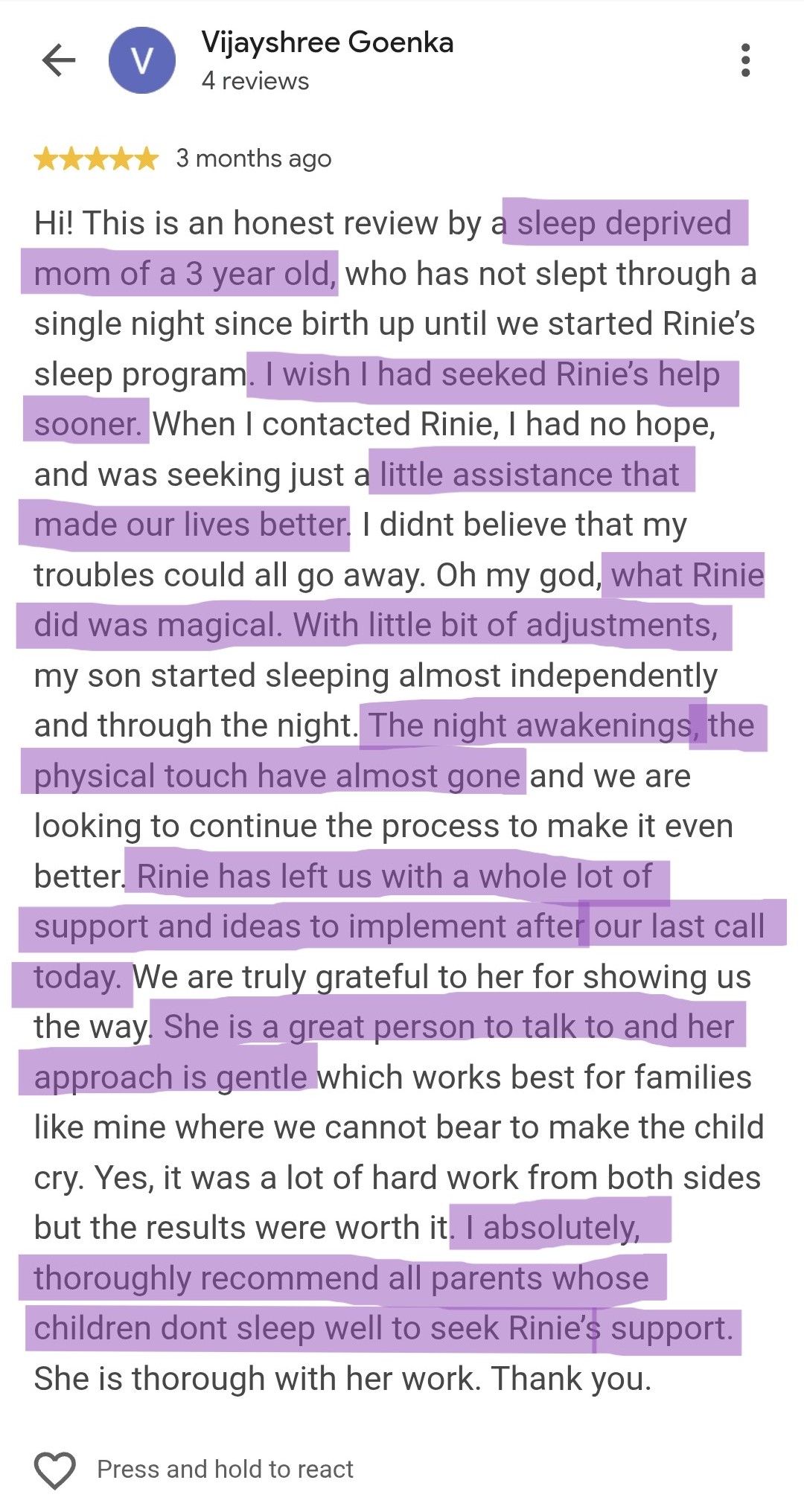
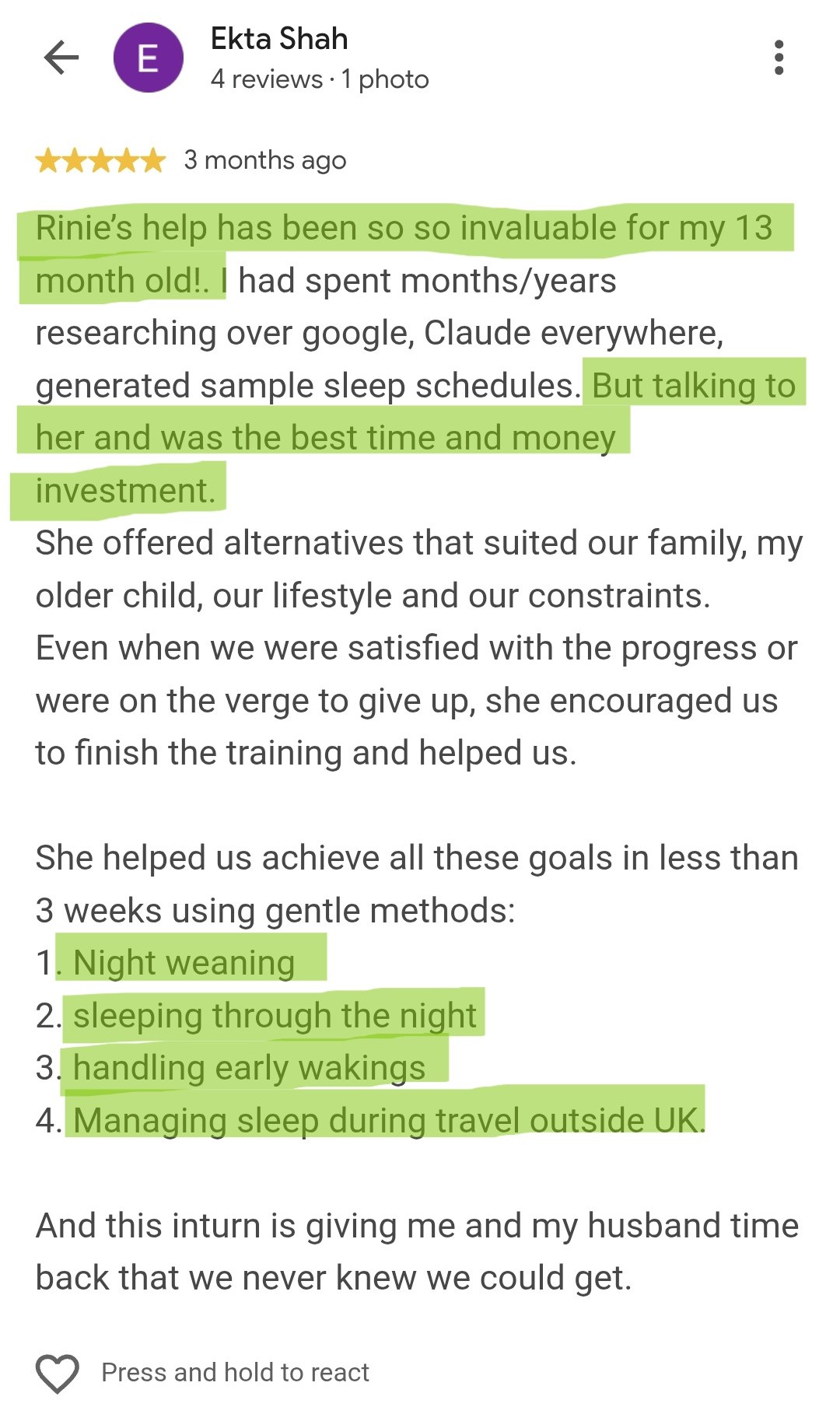
Look at our Reviews
Written By:


