Why Does My Baby Hate the Crib?
Oct 06, 2026
You feed your baby, rock them to sleep, and wait until they seem completely settled. Then, the moment you lower them into the crib, their eyes open and the crying begins. You pick them up, and they settle almost immediately. You try again, and the same thing happens.
If this sounds familiar, you are not alone. Many parents find that their baby sleeps comfortably in their arms but seems to dislike the crib. It can be exhausting, especially when you are already running low on sleep.
The good news is that your baby probably does not hate the crib itself. They may be adjusting to a different sleeping environment, seeking the comfort of your presence, or finding it difficult to settle without the help they are used to.
Understanding why your baby resists the crib can help you choose a gentle, practical approach that works for your child's age, temperament, and sleep needs.
Why Do Babies Resist the Crib

1. Your Baby Is Used to Falling Asleep in Your Arms
Babies are naturally drawn to warmth, touch, movement, and the familiar sound of their caregiver's voice. If your baby usually falls asleep while breastfeeding, bottle-feeding, rocking, or being held, the crib can feel very different.
When your baby falls asleep in your arms and wakes up in the crib, they may notice the change in their surroundings. They might cry because the conditions that helped them fall asleep are no longer there.
This does not mean you have done anything wrong. Comforting your baby is a normal part of caregiving. However, if your baby relies on a particular type of help every time they fall asleep, they may need support learning to settle in a different way.
2. Your Baby Wakes Up During the Transfer
Have you ever spent twenty minutes rocking your baby to sleep, only to have them wake up the moment their back touches the mattress?
The transition from your arms to the crib can be enough to disturb a sleeping baby. Changes in movement, temperature, position, and physical contact may cause them to become more alert.
Some babies also startle when their bodies are lowered or their arms move suddenly. This can be particularly noticeable in younger infants.
Rather than assuming your baby refuses the crib, consider whether the transfer itself is the problem. Making the transition slow and calm may help, although some babies will still wake and need another attempt.
3. Your Baby Wants the Comfort of Your Presence
For a young baby, being close to a caregiver provides familiarity and reassurance. Your smell, voice, warmth, and touch can all help them feel settled.
As babies grow, they may also become more aware of when a parent leaves the room. Separation anxiety can become more noticeable during the second half of the first year and may continue into toddlerhood.
If your baby becomes upset when you move away from the crib, they may be seeking reassurance rather than rejecting the sleeping space itself.
Responding consistently and offering age-appropriate comfort can help your baby gradually become more comfortable with the crib.
4. Your Baby Is Overtired or Not Tired Enough
Sometimes, crib resistance has less to do with the crib and more to do with the timing of sleep.
When babies stay awake longer than they can comfortably manage, they may become irritable and find it harder to settle. On the other hand, if you offer a nap or bedtime before your baby is ready to sleep, they may protest, look around, or seem unusually alert.
Both situations can lead to repeated attempts to settle your baby without much success.
Pay attention to your baby's age, usual sleep patterns, and cues of tiredness. If crib refusal happens regularly, reviewing the timing of naps and bedtime may help you identify a pattern.
5. The Crib Is Unfamiliar
If your baby has mostly slept in your arms, in a bassinet, or beside you, moving to a crib can feel like a significant change.
The crib may have a different mattress, a different view of the room, or less movement than your baby is accustomed to. Some babies need time to become familiar with this new environment.
You do not need to turn every crib interaction into an attempt to make your baby sleep. Calm, positive experiences with the crib during awake time, when supervised, can help it become a more familiar space.
6. Your Baby Is Uncomfortable or Unwell
Before assuming that your baby has developed a sleep habit, consider whether something physical is making it difficult to settle.
Hunger, a wet or soiled nappy, feeling too warm or cold, nasal congestion, eczema, or other discomfort may interfere with sleep. Reflux-like symptoms, feeding difficulties, and illness may also need assessment if they are accompanied by other concerning signs.
If crib refusal starts suddenly, is unusually intense, or comes with fever, breathing difficulties, persistent vomiting, poor feeding, or signs of pain, contact your pediatrician. Seek urgent medical care for breathing difficulties or other severe symptoms.
The goal is to understand what your baby is communicating, not to assume that every cry is a sleep association.
How to Help Your Baby Feel Comfortable in the Crib
1. Start With a Calm, Predictable Bedtime Routine
A predictable bedtime routine helps your baby understand that sleep is approaching. It does not need to be complicated or lengthy.
You could begin with a nappy change, putting on sleepwear, dimming the lights, feeding, singing a quiet song, and cuddling your baby before bedtime.
Try to keep the routine reasonably consistent from night to night. Over time, these familiar steps can help your baby transition from active play to rest.
Remember that a bedtime routine is not a guarantee that your baby will fall asleep independently. It is one part of creating an environment that supports sleep.
2. Make the Crib a Familiar Space
If your baby becomes upset every time they enter the crib, you can gradually introduce the sleeping space without expecting them to fall asleep immediately.
During supervised awake time, let your baby spend a few calm moments in the crib while you stay close and interact with them. You might talk softly, smile, or sing to them.
Keep these experiences short and positive. If your baby becomes distressed, respond to them rather than forcing them to remain in the crib.
Always remove toys, loose blankets, pillows, and other objects before using the crib for sleep.
3. Try Putting Your Baby Down Calm but Awake
If your baby always falls asleep in your arms, you could gradually experiment with placing them in the crib when they are relaxed but still awake.
This gives your baby an opportunity to experience the transition to sleep in the crib rather than always waking up in a different place from where they fell asleep.
However, this approach will not work immediately for every baby. Younger infants, in particular, may still need considerable help settling.
You can start with one sleep period a day rather than changing every nap and bedtime at once. If your baby becomes upset, offer comfort and try again when appropriate.
4. Review Your Baby's Sleep Timing
Look at when your baby wakes up, how long they stay awake, when they nap, and when bedtime begins.
If your baby consistently cries at bedtime but appears wide awake, they may not be ready to sleep yet. If they become increasingly distressed, rub their eyes, yawn, or struggle to settle after a long period awake, they may be overtired.
These cues are not definitive on their own, and sleep needs vary with age. Look for patterns across several days rather than changing the schedule after one difficult night.
5. Respond Consistently to Your Baby's Crying
It can be difficult to know what to do when your baby cries as soon as you put them down. You may wonder whether to pick them up, pat them, speak to them, or give them a little time to settle.
There is no single response that suits every baby or family.
You can try offering reassurance while your baby remains in the crib, or pick them up to comfort them before trying again. If you choose a sleep-training approach, select one that is appropriate for your baby's age and your family's comfort level.
Sleep training does not have to mean leaving your baby alone to cry. Different approaches offer different levels of parental involvement, and the right choice depends on your circumstances.
Consistency helps you understand how your baby responds, but consistency does not mean ignoring signs of illness, hunger, pain, or distress.
6. Make Sure the Sleep Environment Is Safe
A safe sleep environment matters more than any technique designed to help your baby settle.
For every sleep, place your baby on their back on a firm, flat, non-inclined mattress in a crib or bassinet that meets applicable safety standards. Keep the sleep space free of pillows, loose blankets, bumpers, soft toys, and positioners. Avoid overheating, and use appropriately sized sleep clothing or a suitable wearable blanket if needed.
Room-sharing, with your baby sleeping in their own separate sleep space, is recommended during early infancy. If your baby can roll, do not use restrictive swaddling.
Never use an inclined sleeper or leave your baby to sleep unattended on a sofa, adult bed, or other unsafe surface. If your baby falls asleep in a car seat, swing, or other sitting device, move them to a firm, flat sleep surface as soon as it is safe and practical to do so.
Should You Sleep Train a Baby Who Hates the Crib?
Not necessarily. Crib refusal alone does not mean your baby needs sleep training.
Start by identifying the reason your baby is resisting the crib. If they are hungry, uncomfortable, unwell, or not ready for sleep, addressing those needs comes first.
If your baby is healthy, their sleep environment is safe, and they consistently need the same assistance to fall asleep, you may decide to explore ways to help them settle with less support.
Consider Your Baby's Age and Development
Newborns need frequent feeding and close caregiver support, and their sleep patterns are still developing. Expectations for independent sleep should therefore be different from those for an older infant.
As your baby grows, you may have more options for gradually changing how they settle. However, readiness varies, and there is no need to follow a rigid timeline.
If you are unsure whether your baby's sleep difficulties are developmentally typical or related to an underlying issue, speak with your pediatrician.
Choose an Approach That Fits Your Family
Some families prefer a gradual approach with hands-on reassurance, while others choose a structured sleep-training method. You should understand what a method involves before starting and feel comfortable following it.
Consider your baby's temperament, feeding needs, sleeping arrangements, and your own ability to follow the plan consistently. A plan that works for another family may not be suitable for yours.
When Should You Seek Professional Help?
Consider speaking with your pediatrician if your baby seems uncomfortable whenever they lie flat, has persistent feeding difficulties, snores heavily, has unusual breathing patterns, or experiences sudden and unexplained changes in sleep.
A qualified baby sleep consultant may also help you review your baby's routine, sleep associations, environment, and settling patterns when medical concerns have been ruled out.
The aim is not simply to get your baby to stay in the crib. It is to understand what is making sleep difficult and develop a realistic plan that supports both your baby's needs and your family's well-being.
Helping Your Baby Learn to Sleep in the Crib Takes Time
If your baby sleeps peacefully in your arms but cries in the crib, it does not mean you have created a bad habit or done something wrong. Your baby may need more reassurance, time to adjust, a change in sleep timing, or help with a particular sleep association.
Start with small, manageable changes. Keep the sleep environment safe, respond to your baby's needs, and give yourself permission to adjust your approach when something is not working.
You do not have to solve every sleep challenge in one night. Progress can be gradual, and the goal is to find an approach that is safe, developmentally appropriate, and sustainable for your family.
Need Help With Your Baby's Sleep?
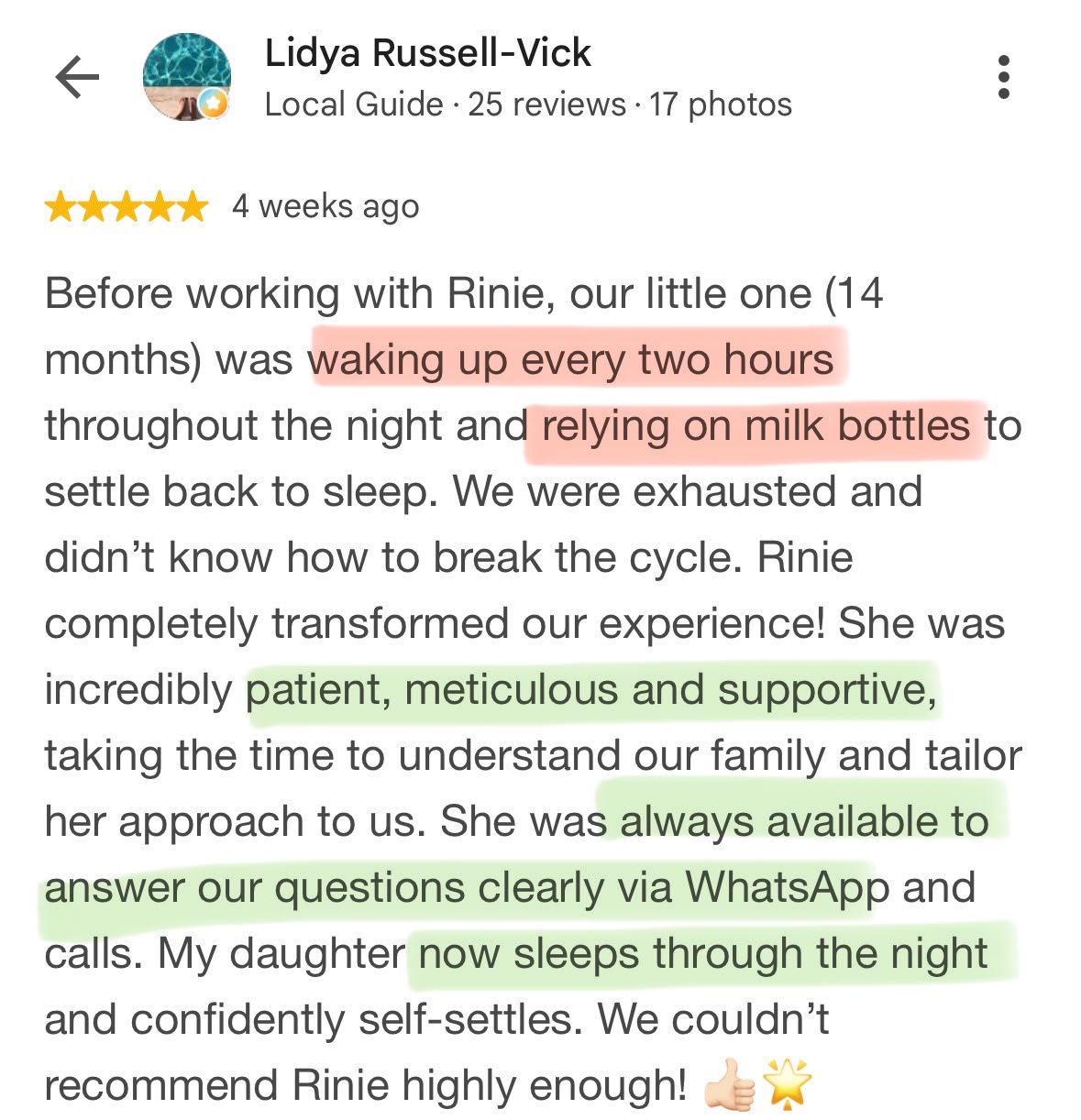
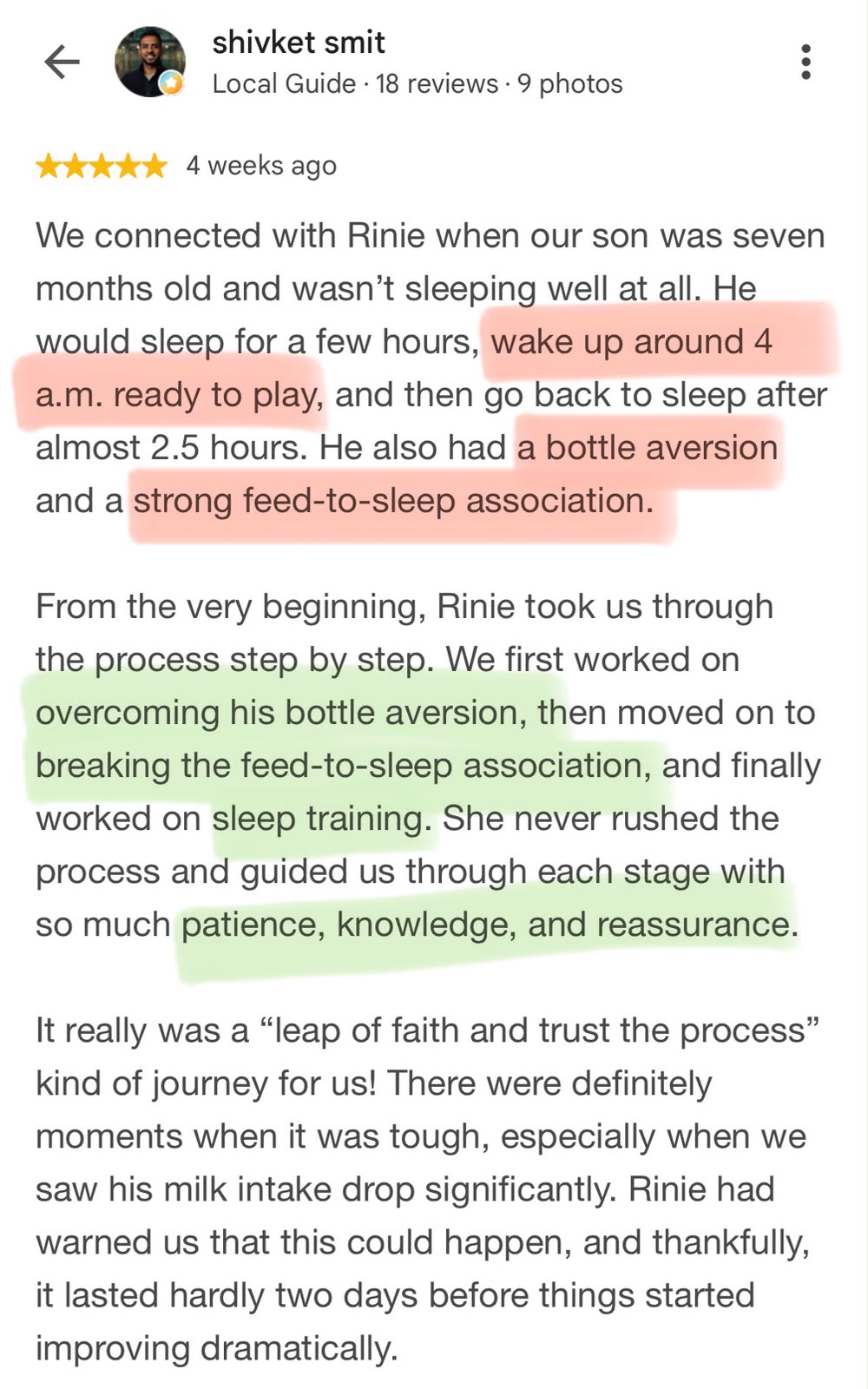
If crib refusal has become a regular struggle and you are unsure what to change, Rinie Gupta's Personalized Baby Sleep Training Program can help you understand your baby's sleep patterns and explore an approach tailored to your child's needs and your family's routine.
With the right guidance, you can work towards more manageable bedtimes and a sleep routine that feels more sustainable for everyone.
Look at our reviews
Written By:


