Why Is My Baby Fighting the Last Nap of the Day?
Jan 28, 2026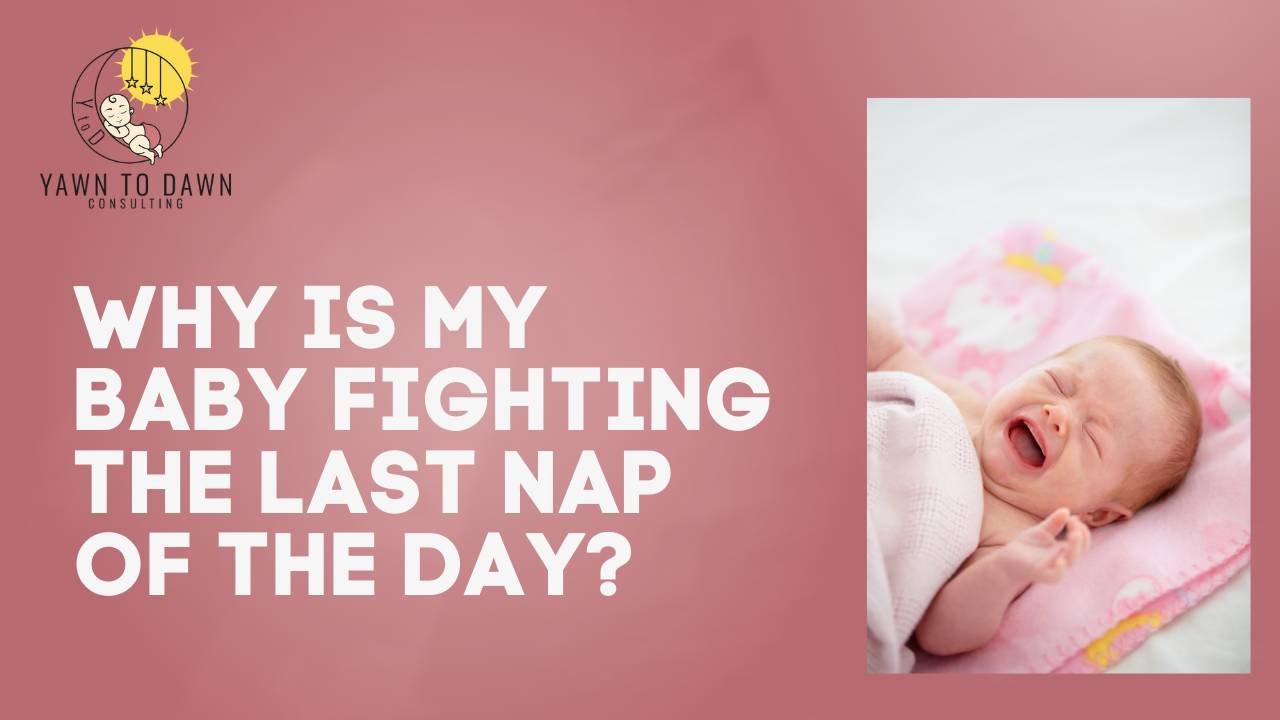
If your baby naps well earlier in the day but completely resists the last nap, you’re not doing anything wrong.
This is one of the most common baby sleep problems, and it’s usually caused by sleep timing and biology, not bad habits or “poor sleep associations.”
Let’s look at why this happens and what actually helps from a baby sleep training and pediatric sleep consultant perspective.
The Last Nap Is the Most Fragile Nap
The last nap (often a short catnap) happens when:
- Sleep pressure is high
- Overtiredness may already be building
- Stimulation from the day is at its peak
That combination makes this nap the easiest to fight and the hardest to protect, especially for babies already struggling with naps or bedtime sleep.
1. Your Baby Is Already Overtired
This is the number one reason babies fight the last nap.
When earlier wake windows are just a little too long, babies become overstimulated and stressed. Instead of looking sleepy, they may look:
- Fussy
- Hyper
- Cry-y the moment you try to settle them
An overtired baby often needs this nap the most but fights it the hardest. This is a very common pattern seen in babies who later develop short naps, bedtime resistance, or frequent night wakings.

2. The Nap Is Becoming Developmentally Tricky
As babies grow, the last nap becomes:
- Shorter
- Harder to time
- Easier to disrupt
This is especially common around 4–5 months, 7–9 months, and during major nap transitions.
Your baby may still need the nap but only if the timing is spot on, which is why this phase often triggers confusion around whether to keep or drop the nap.
3. Evening Stimulation Is Too High
By evening:
- Lights are brighter
- The house is louder
- Baby is more aware of their surroundings
Unlike morning naps, the last nap often needs:
- A darker room
- A calmer wind-down
- Fewer interactions
Without this, babies struggle to disengage and settle even when they are tired.
4. Your Baby Isn’t Tired Enough Yet
Less common, but possible.
If daytime naps are long or wake windows are too short, your baby may:
- Play in the crib
- Babble happily
- Take a long time to fall asleep
In this case, the issue is undertiredness, not resistance and cutting the nap prematurely can backfire.
Should You Skip the Last Nap?
Many parents try skipping the last nap, hoping for better night sleep.
Often, this backfires.
Skipping the last nap too early can lead to:
- Bedtime meltdowns
- False starts
- More night wakings
- Early morning wake-ups
Until your baby is developmentally ready, this nap acts as a bridge to bedtime, protecting night sleep rather than ruining it.
What Actually Helps
✔ Fix the Earlier Part of the Day
Last nap struggles often start with earlier wake windows being too long.
Small adjustments earlier in the day can dramatically improve how evenings unfold.
✔ Keep the Last Nap Short and Flexible
This nap doesn’t need to be perfect.
- 20–30 minutes is enough
- Assisted naps (carrier, stroller, rocking) are okay
- Focus on function, not independence
This is not the nap to “train.”
✔ Protect Bedtime
If the last nap doesn’t happen:
- Move bedtime earlier
- Keep evenings calm
- Avoid overstimulation
An early bedtime is a protective sleep strategy, not a step backwards in sleep training.
When the Last Nap Truly Needs to Go
Your baby may be ready to drop it if:
- They consistently refuse it
- Bedtime becomes easier without it
- Night sleep improves
- Early mornings resolve
This transition should be gradual and supported, not forced.
Final Thought
If your baby is fighting the last nap, it’s usually a timing issue, not a behaviour problem.
With the right sleep adjustments often guided through gentle baby sleep training this phase becomes far less stressful and often resolves quickly.
1:1 Baby Sleep Training Support
Not sure whether to keep or drop the last nap?
1:1 personalised support helps you make the right call for your baby.
Rinie’s 1:1 Baby Sleep Training Program considers:
- Your baby’s age and temperament
- Nap transitions
- Day–night balance
- Your family’s routine
👉 Explore 1:1 baby sleep training here:
References (APA 7th Edition)
Blunden, S., & Galland, B. (2014). The complexities of defining optimal sleep: Empirical and theoretical considerations. Nature and Science of Sleep, 6, 129–140. https://doi.org/10.2147/NSS.S45707
Mindell, J. A., & Owens, J. A. (2015). A clinical guide to pediatric sleep: Diagnosis and management of sleep problems (3rd ed.). Wolters Kluwer.
Sadeh, A. (2004). A brief screening questionnaire for infant sleep problems: Validation and findings for an Internet sample. Pediatrics, 113(6), e570–e577. https://doi.org/10.1542/peds.113.6.e570
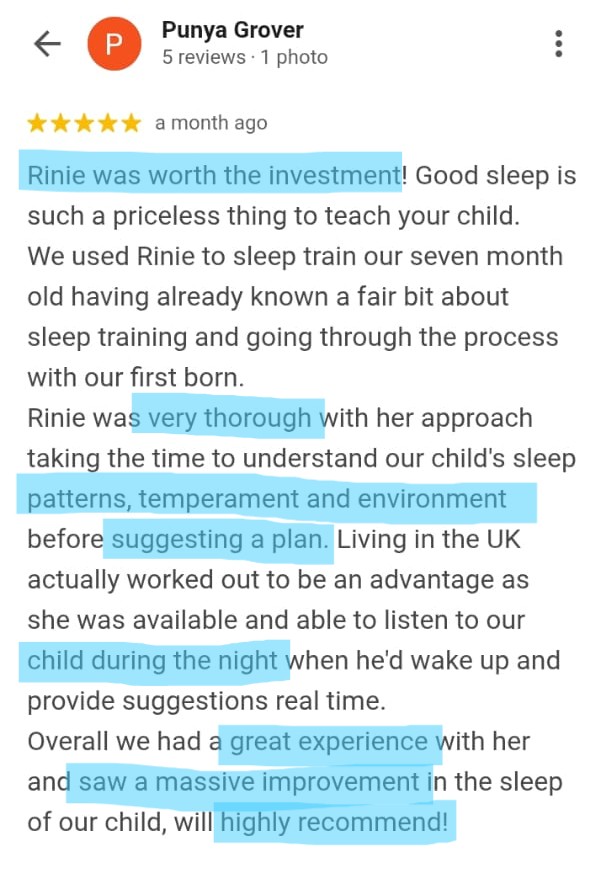
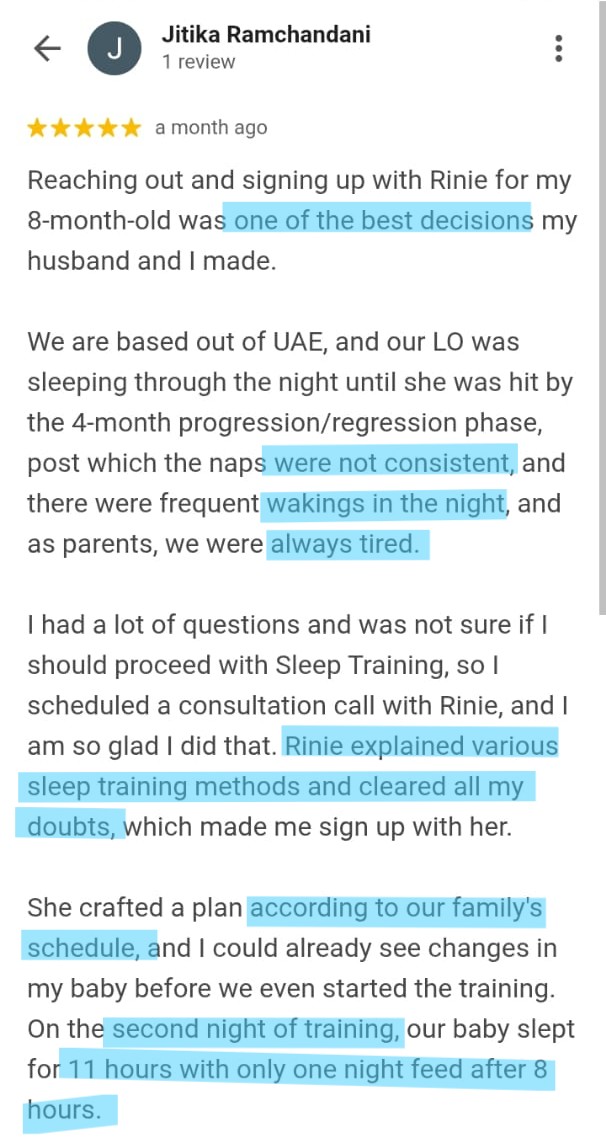
Look at the reviews
Written By:


