Can Parental Anxiety Affect Baby Sleep?
Feb 14, 2026
As parents, we all want our babies to sleep well. But sometimes, despite doing everything “right,” nights are still chaotic.
You may be wondering:
Could my own stress or anxiety be affecting my baby’s sleep?
The answer is: yes, parental anxiety can impact your baby’s sleep, and it’s more common than you might think.
How Parental Anxiety Shows Up
Parental anxiety can take many forms:
- Constantly checking on the baby
- Feeling tense during bedtime routines
- Worrying about every stir or cry
- Difficulty relaxing even when the baby is asleep
Even subtle anxiety can affect the baby’s sleep environment and cues.
The Science Behind It
Babies are highly sensitive to emotional and physiological cues from their parents.
- Tone of voice, breathing, and body tension can signal to the baby that something is “off,” even unconsciously.
- Babies may mirror stress by becoming more alert, resisting sleep, or waking more frequently.
- Studies show that maternal anxiety is linked to shorter sleep duration and more night wakings in infants (Tikotzky & Sadeh, 2009).
Common Patterns You Might See
- Shorter naps or fragmented sleep
- Resistance at bedtime, especially if the parent is tense
- Frequent night wakings even when routine is consistent
- Crying that escalates quickly, possibly reflecting baby stress
What Can Parents Do?
1. Prioritize Your Own Calm
Babies respond to parental emotional regulation.
- Practice deep breathing or mindfulness during bedtime
- Reduce tension with a short evening routine before the baby sleeps
- Ask for support from a partner or family member
2. Keep Sleep Routines Consistent
- Consistent bedtime and nap times signal safety and predictability
- Calm, predictable cues help the baby settle independently
3. Address Anxiety Directly
- Speak with a healthcare professional if anxiety feels overwhelming
- Consider short-term strategies like journaling, support groups, or therapy
- Remember: helping yourself helps your baby
4. Optimize Sleep Environment
- Dim lights, use white noise, maintain consistent room temperature
- Minimize stimulating activities close to sleep time
Even if you feel anxious, a structured sleep environment gives your baby a reliable cue for sleep.
Key Takeaway
Parental anxiety doesn’t make your baby a “bad sleeper”, but it can affect sleep quality.
By managing your own stress, maintaining consistency, and using gentle sleep strategies, you can help your baby feel secure, calm, and ready to sleep for both naps and nights.
1:1 Baby Sleep Training Support
If you want personalized guidance, 1:1 sessions with Rinie help parents:
- Understand how their anxiety may influence baby sleep
- Implement tailored routines
- Improve both parent and baby sleep quality
👉 Explore 1:1 baby sleep training here:
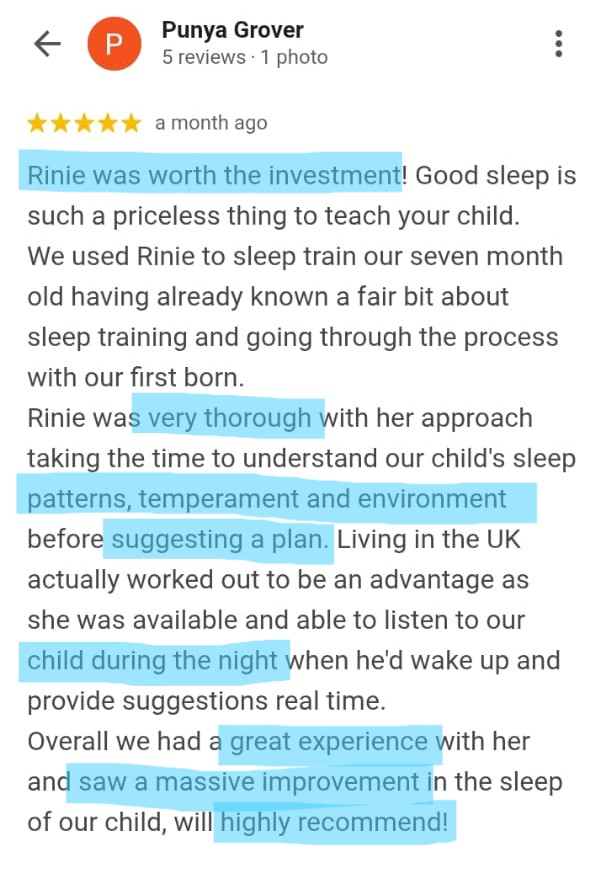
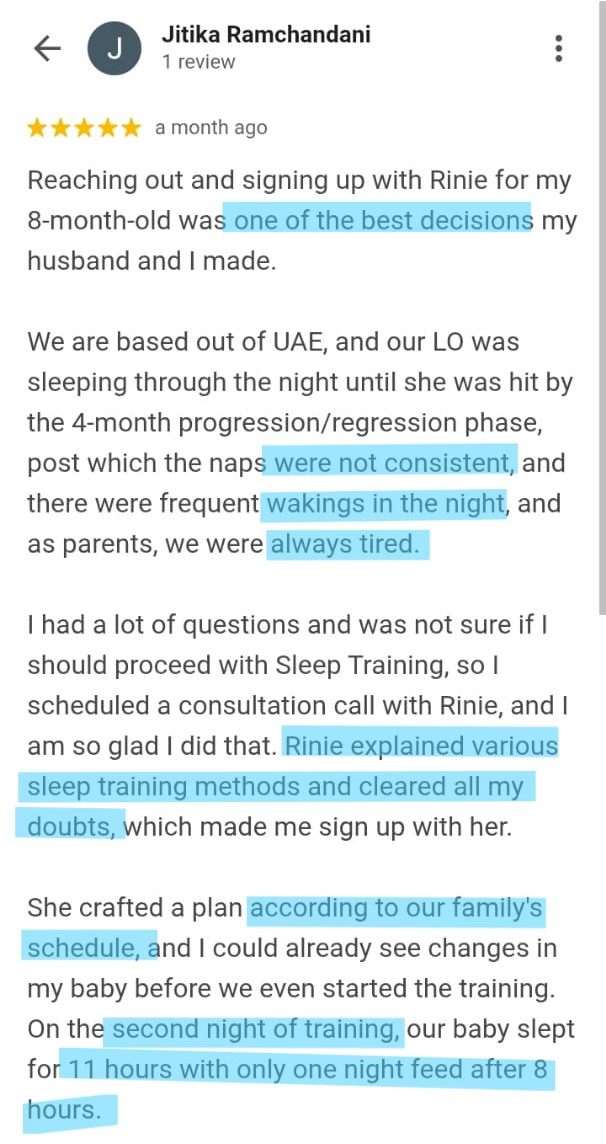
Look at our Reviews
References (APA 7th Edition)
Mindell, J. A., & Owens, J. A. (2015). A clinical guide to pediatric sleep: Diagnosis and management of sleep problems (3rd ed.). Wolters Kluwer.
Sadeh, A. (2004). A brief screening questionnaire for infant sleep problems: Validation and findings for an Internet sample. Pediatrics, 113(6), e570–e577. https://doi.org/10.1542/peds.113.6.e570
Tikotzky, L., & Sadeh, A. (2009). Maternal sleep-related cognitions and infant sleep: A longitudinal study. Journal of Family Psychology, 23(6), 846–856. https://doi.org/10.1037/a0016750
Blunden, S., & Galland, B. (2014). The complexities of defining optimal sleep: Empirical and theoretical considerations. Nature and Science of Sleep, 6, 129–140. https://doi.org/10.2147/NSS.S45707
Written By:


