Why Is My Baby Waking Up at 5 AM Every Day?
Feb 07, 2026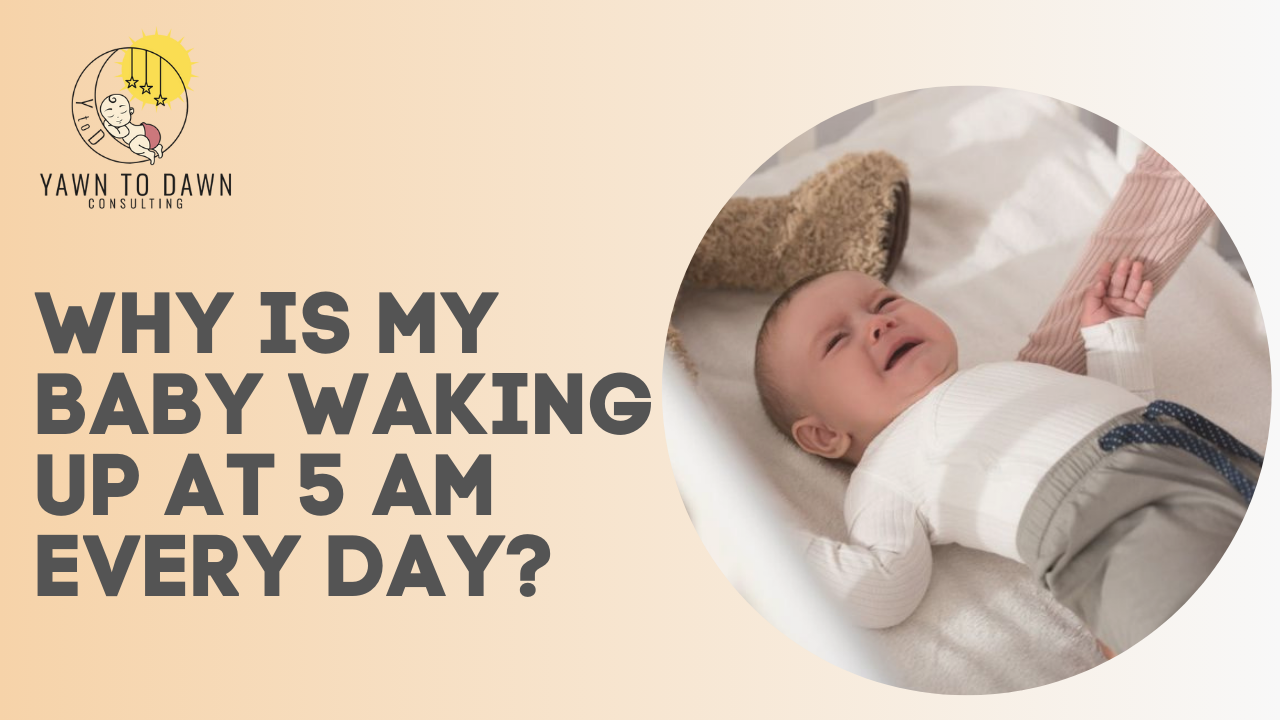
If your baby consistently greets the day at 5 AM, it can feel exhausting. You might wonder:
Why can’t they just sleep a little longer?
The truth is, early morning wake-ups are extremely common and rarely a sign of a “bad sleeper.” Usually, it’s a combination of biological rhythms, daytime habits, and environment.
Let’s explore why it happens and what you can do to gently adjust it.

Common Reasons for Early Morning Wake-Ups
1. Internal Body Clock (Circadian Rhythm)
Babies, like adults, have an internal clock that tells them when to sleep and wake.
Sometimes, this clock is naturally set for an early sunrise wake-up, especially in younger babies or in homes with early morning light.
2. Overtired or Undertired
Both extremes can cause early wake-ups:
- Overtired babies: Melatonin release may be disrupted, causing earlier wake-up.
- Undertired babies: If bedtime is too early or naps are too long, babies might simply be ready to wake earlier.
Getting wake windows and nap schedules right is key.
3. Hunger or Growth Spurts
Babies have small stomachs and may wake early if they’re hungry, especially during:
- Growth spurts
- Teething
- Changes in feeding schedule
Sometimes, a small dream feed or adjusting dinner milk can help.
4. Environmental Triggers
- Morning light streaming into the room
- Early household noises
- Temperature fluctuations
Even small triggers can prompt a 5 AM wake-up in sensitive babies.
5. Sleep Associations
Babies may wake up early if they rely on certain cues to sleep (rocking, nursing, patting).
When they cycle into light sleep early in the morning, they might need the same cue to settle and if it’s not there, they wake fully.

Strategies to Shift 5 AM Wake-Ups
✔ Adjust Bedtime
Too early or too late can both cause early mornings. Often, a slightly later bedtime helps consolidate night sleep.
✔ Optimize Last Nap
Skipping or shortening the last nap in older babies may increase sleep pressure and push wake-ups later.
✔ Control Light and Noise
Use blackout curtains, white noise, and consistent sleep environment cues to signal nighttime sleep.
✔ Modify Sleep Associations
Gradually reduce dependence on external sleep cues. For example:
- If your baby is nursed to sleep, slowly reduce feed duration at night
- Offer comfort without fully waking them
✔ Check Feeding Schedule
Ensure the last feed before bedtime meets hunger needs. Consider adjustments during growth spurts.
When to Seek Help
If early morning wake-ups persist despite adjustments, or are paired with:
- Frequent night wakings
- Short naps
- Fussiness or stress
…personalised sleep support may be the best way to reset schedules safely and sustainably.
1:1 Baby Sleep Training Support
If you’re unsure why your baby is waking at 5 AM or need hands-on guidance, Rinie offers personalised 1:1 support.
This includes:
- Detailed sleep analysis
- Step-by-step guidance for wake window, nap, and bedtime adjustments
- Individualised solutions tailored to your family
👉 Explore 1:1 baby sleep training here:
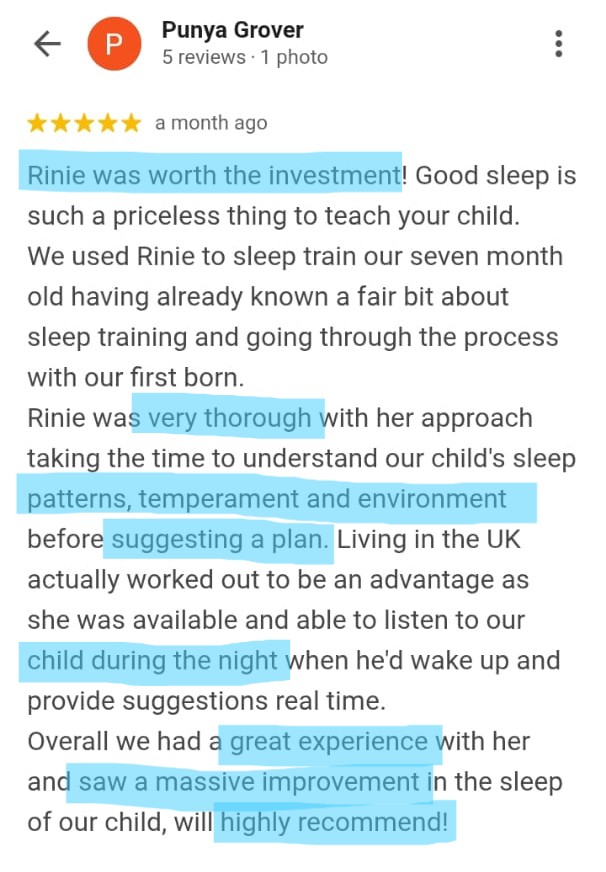
Look at our Reviews 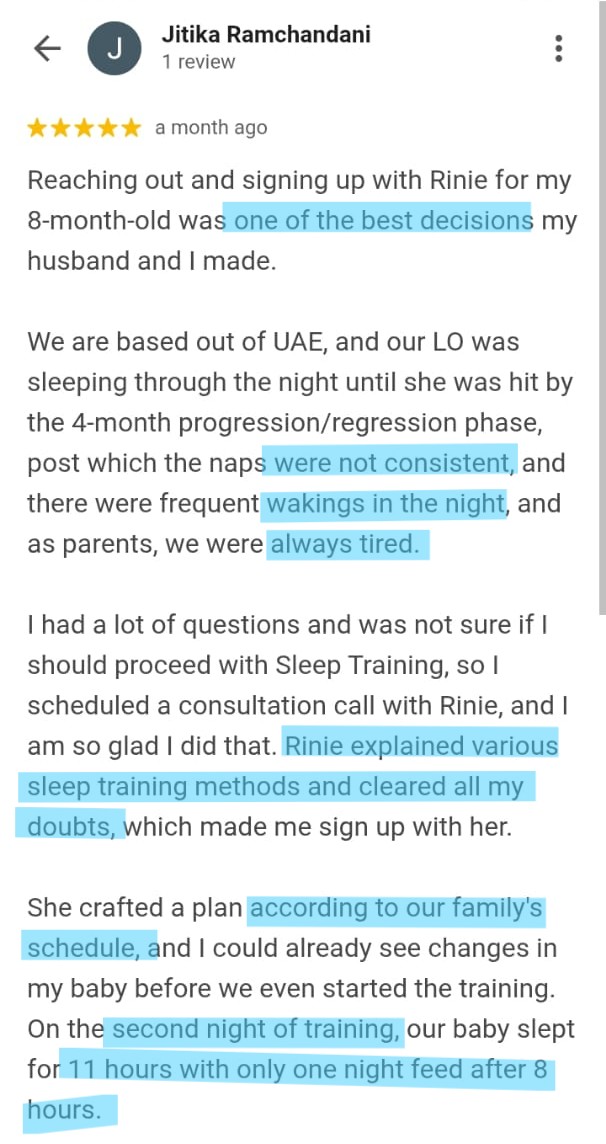
References (APA 7th Edition)
Blunden, S., & Galland, B. (2014). The complexities of defining optimal sleep: Empirical and theoretical considerations. Nature and Science of Sleep, 6, 129–140. https://doi.org/10.2147/NSS.S45707
Mindell, J. A., & Owens, J. A. (2015). A clinical guide to pediatric sleep: Diagnosis and management of sleep problems (3rd ed.). Wolters Kluwer.
Sadeh, A. (2004). A brief screening questionnaire for infant sleep problems: Validation and findings for an Internet sample. Pediatrics, 113(6), e570–e577. https://doi.org/10.1542/peds.113.6.e570
Tikotzky, L., & Sadeh, A. (2009). Maternal sleep-related cognitions and infant sleep: A longitudinal study. Journal of Family Psychology, 23(6), 846–856. https://doi.org/10.1037/a0016750
Written By:


