Can Too Much Daytime Sleep Cause Night Wakings?
Feb 07, 2026
If your baby naps well during the day but wakes frequently at night, it’s natural to wonder:
“Is my baby sleeping too much during the day?”
The short answer: sometimes, yes but it’s rarely about total sleep alone.
It’s about how daytime sleep is distributed, timed, and aligned with your baby’s sleep pressure, which is a key focus in baby sleep training and night waking support.
Let’s break this down clearly.
Understanding Sleep Pressure: The Missing Link
Babies need a balance between:
- Sleep pressure (how tired the body and brain feel)
- Circadian rhythm (the body’s internal clock)
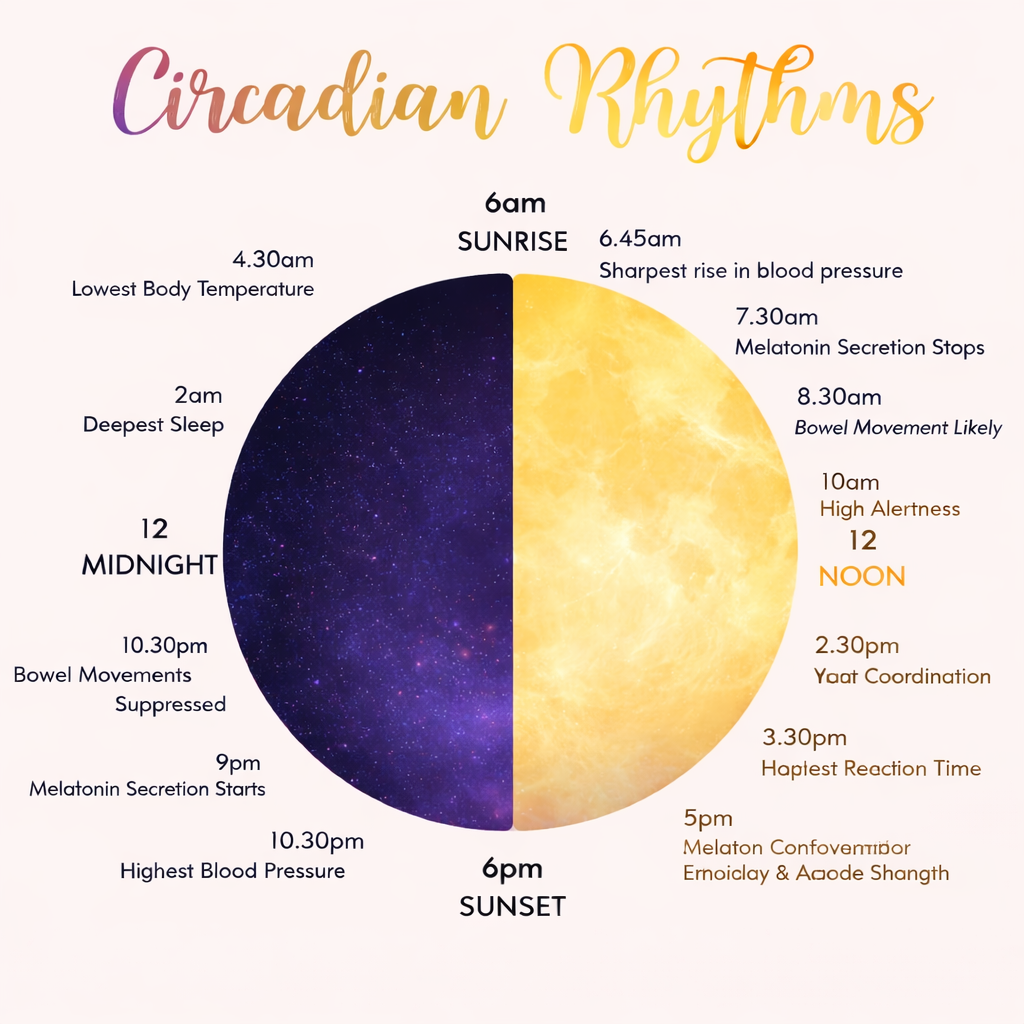
Daytime naps help prevent overtiredness and cortisol spikes.
But when naps are too long, poorly timed, or uneven, sleep pressure may not build enough — leading to frequent night wakings, false starts, and early mornings.
This is one of the most common patterns seen by pediatric sleep consultants.
When Daytime Sleep Can Contribute to Night Wakings
1. Day Naps Are Too Long
Very long naps (especially later in the day) can reduce sleep pressure before bedtime.
This may result in:
- Difficulty settling at night
- Frequent night wakings
- Early morning wake-ups
This pattern is more common once babies are older than 5–6 months, when sleep becomes more consolidated and sensitive to timing.
2. The Last Nap Is Too Late
A late catnap can push bedtime too far or interfere with natural melatonin release.
Signs this is happening:
- Baby takes a long time to fall asleep at bedtime
- False starts (waking 30–45 minutes after bedtime)
- Multiple night wakings despite good naps
This is often mistaken for a “sleep association problem” when the real issue is timing.
3. Wake Windows Are Too Short
If your baby goes down for naps too soon, they may not be tired enough.
This can lead to:
- Long daytime sleep
- Fragmented night sleep
- Increased night activity
In this case, the issue isn’t too much sleep it’s misaligned wake windows, something commonly corrected during personalised baby sleep training.
4. Nap Distribution Is Uneven
Even if total daytime sleep is age-appropriate, problems can arise if:
- One nap is extremely long
- Other naps are very short
- The first nap is too late in the day
Balanced naps support better night sleep consolidation and fewer night wakings.
When Daytime Sleep Is Not the Problem
It’s important to know that cutting naps is not the solution in many cases.
Night wakings are often caused by:
- Overtiredness
- Inconsistent routines
- Sleep associations
- Developmental changes
Reducing naps without addressing these factors can actually worsen night sleep, not improve it.

Should You Cap Naps?
Sometimes, yes but strategically, not aggressively.
Nap capping may help if:
- Your baby consistently exceeds age-appropriate daytime sleep
- Night wakings are frequent and unexplained
- Bedtime struggles are ongoing
Nap capping should always be paired with:
- Correct wake windows
- An appropriate bedtime
- A predictable sleep routine
Without these, nap cutting alone rarely solves night wakings.
The Goal: Balance, Not Restriction
Healthy sleep isn’t about limiting rest it’s about optimising timing.
When daytime sleep supports the body clock instead of fighting it, night sleep usually improves naturally, without force or excessive sleep training.
Final Thought
Too much daytime sleep can contribute to night wakings but it’s rarely the full story.
Before cutting naps, it’s important to look at:
- Timing
- Distribution
- Sleep pressure
- Developmental readiness
That’s where personalised baby sleep guidance makes all the difference.
1:1 Baby Sleep Training Support
Not sure whether to cap naps, adjust wake windows, or change bedtime?
1:1 personalised baby sleep training helps you make confident decisions based on your baby, not generic schedules.
Rinie’s 1:1 support includes:
- Detailed sleep analysis
- Nap and bedtime optimisation
- Ongoing guidance through transitions
👉 Explore 1:1 baby sleep training here:
Look at the Reviews 
References (APA 7th Edition)
Blunden, S., & Galland, B. (2014). The complexities of defining optimal sleep: Empirical and theoretical considerations. Nature and Science of Sleep, 6, 129–140. https://doi.org/10.2147/NSS.S45707
Mindell, J. A., & Owens, J. A. (2015). A clinical guide to pediatric sleep: Diagnosis and management of sleep problems (3rd ed.). Wolters Kluwer.
Sadeh, A. (2004). A brief screening questionnaire for infant sleep problems: Validation and findings for an Internet sample. Pediatrics, 113(6), e570–e577. https://doi.org/10.1542/peds.113.6.e570
Tikotzky, L., & Sadeh, A. (2009). Maternal sleep-related cognitions and infant sleep: A longitudinal study. Journal of Family Psychology, 23(6), 846–856. https://doi.org/10.1037/a0016750
Written By:


