The Complete Guide to Baby Sleep Associations: Which Ones Help and Which Ones Hurt
Mar 22, 2026
If your baby can only fall asleep while feeding, rocking, or being held, you are not alone. Sleep associations are one of the most common and most misunderstood reasons behind frequent night wakings and short naps.
The truth is that not all sleep associations are bad. Some support healthy sleep, while others can quietly make sleep harder for both babies and parents. Understanding the difference is key.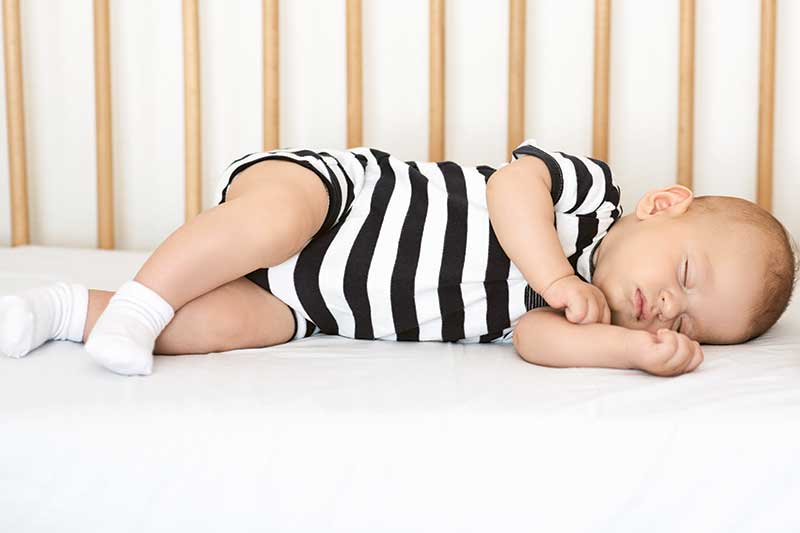
What Are Baby Sleep Associations?
Sleep associations are the conditions your baby connects with falling asleep. These are the cues present when your baby drifts off and the same cues they often look for again between sleep cycles.
Because babies briefly wake between cycles, they naturally seek familiar associations to fall back asleep.
Why Sleep Associations Matter More at Night
At night, babies move through multiple sleep cycles. If the way they fall asleep at bedtime is not something they can recreate on their own, they are more likely to wake fully and call for help.
This is why some babies:
- Wake every one to two hours at night
- Need the same support repeatedly
- Struggle to link sleep cycles
Helpful vs Unhelpful Sleep Associations
The impact of a sleep association depends on whether your baby can access it independently.
Helpful Sleep Associations
Sleep Associations Your Baby Can Control
These associations support independent sleep because the baby does not need adult involvement to recreate them.
Examples include:
- A dark sleep environment
- White noise or consistent background sound
- A comfortable and familiar sleep space
- A predictable bedtime routine
These cues remain present throughout the night and help babies move smoothly between sleep cycles.
Sleep Associations That May Become Unhelpful
Associations That Require Adult Involvement
These are associations that depend on a parent to be recreated each time the baby wakes.
Common examples include:
- Feeding to sleep
- Rocking or bouncing until fully asleep
- Being held or walked to sleep
- Nursing or bottle feeding for every night waking
These practices are not wrong or harmful, but over time they can lead to frequent night wakings.
Common Sleep Associations Parents Worry About
Feeding to Sleep
Feeding to sleep is biologically normal, especially in infancy. It may become challenging if:
- The baby cannot fall asleep without feeding
- Feeding is required at every waking
- Parents feel exhausted or stuck
Pacifiers
Pacifiers can be soothing, but once babies cannot replace them independently, they may wake often for help.
Motion Such as Rocking, Prams, or Car Rides
Motion can be very calming for babies. However, relying on motion alone can make stationary sleep harder later.
How Sleep Associations Change With Age
Newborn Stage
In the early months, strong parental involvement is expected and appropriate. Sleep associations are not a concern at this stage.
Older Babies and Toddlers
As babies grow, they become capable of learning new ways to settle. Continued reliance on adult led sleep associations may interfere with longer stretches of sleep.
Do Sleep Associations Cause Sleep Problems?
Sleep associations themselves do not cause sleep problems. Problems arise when there is a mismatch between how a baby falls asleep and what they experience when they wake.
For example, falling asleep in arms but waking alone in a crib can feel disorienting and trigger full awakenings.
How to Build Healthy Sleep Associations Gently
Start With Bedtime
The most important sleep association is how your baby falls asleep at bedtime. Gentle changes here often improve night sleep naturally.
Make Changes Gradually
Sleep associations do not need to be removed suddenly. Slow, responsive changes are usually more sustainable.
Focus on Consistency
Consistency matters more than perfection. Small steady changes work better than frequent resets.
When Sleep Associations Become a Problem
You may benefit from extra support if:
- Night wakings are frequent and prolonged
- Naps remain consistently short
- Settling requires increasing effort
- Sleep feels stressful or unsustainable
Personalised guidance can help adjust sleep associations without forcing or crying it out.
Final Thoughts on Baby Sleep Associations
Sleep associations are not good or bad. They are simply habits. The goal is not independence at all costs, but sustainable sleep that supports both your baby and your family.
With the right approach, sleep associations can be reshaped gently, respectfully, and effectively.
1:1 Baby Sleep Training Support
For families who’ve tried schedules, apps, and advice, 1:1 sleep training offers personalized guidance based on your baby’s temperament, age, and sleep history.
👉 Explore 1:1 baby sleep training here:
https://www.yawntodawnconsulting.com/
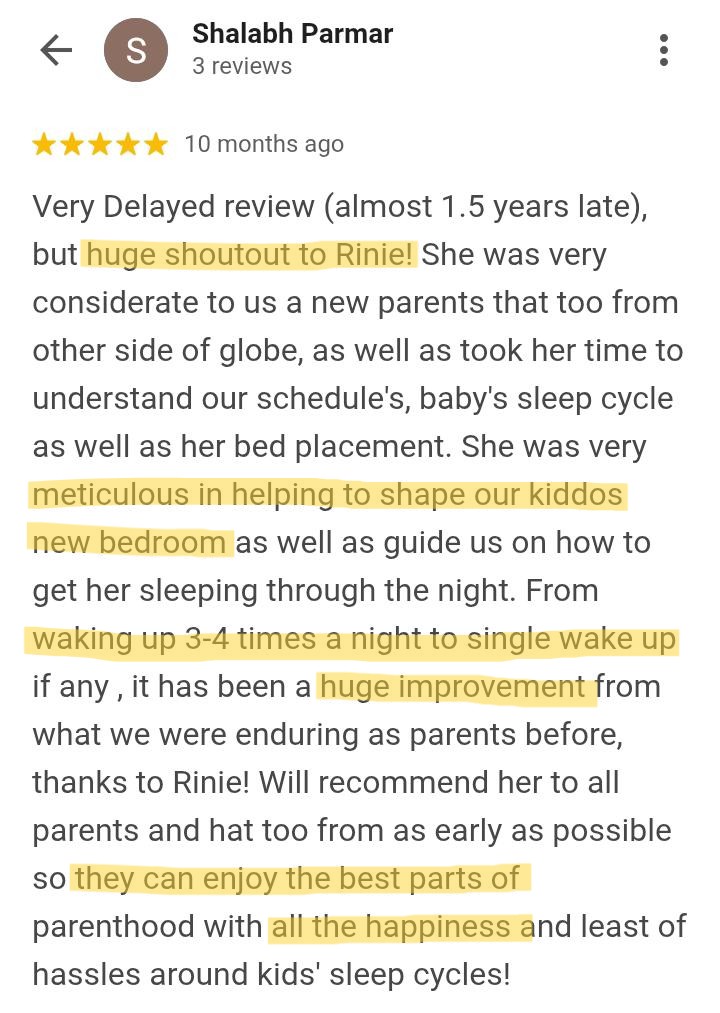
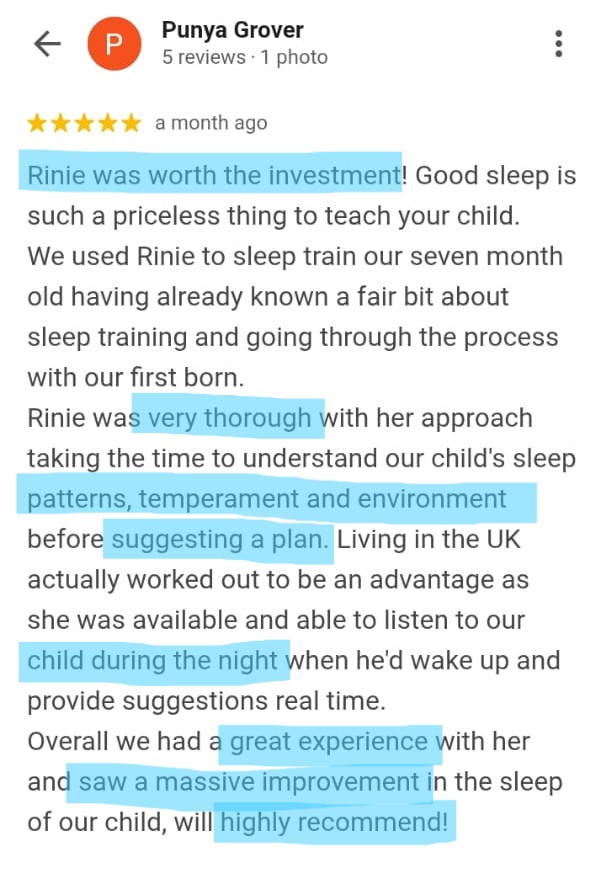
Look at our reviews
Written By:


