Why Does My Baby Sleep Better for Grandma or the Nanny Than for Me?
Jan 28, 2026
If you’ve ever heard someone say,
“Oh, they slept so well with me!”
while you’re running on broken sleep and caffeine… this one’s for you.
One of the most common (and emotionally loaded) questions parents ask me as a baby sleep consultant is:
“Why does my baby sleep better for grandma or the nanny but not for me?”
And let me say this clearly right at the start:
👉 This is not because your baby loves you less
👉 And it’s definitely not because you’re doing something wrong
Let’s unpack what’s actually going on from a sleep training and attachment-informed perspective.
First, This Is Extremely Common
Babies sleeping “better” for caregivers other than parents happens far more often than people talk about especially in families navigating night wakings, bedtime resistance, or inconsistent naps.
I see this regularly with:
- Grandparents
- Nannies
- Daycare caregivers
- Even the non-primary parent
And almost always, it leaves the primary caregiver feeling:
- Confused
- Rejected
- Guilty
- Or like they’ve somehow created a “bad sleep habit”
The truth is far more biological, emotional, and sleep-structure related than behavioural.
Reason #1: You Are Your Baby’s Safe Space
Babies behave very differently with the people they feel safest with and this plays a huge role in how sleep struggles show up at home.
With you, your baby knows:
- They can protest
- They can cry
- They can ask for comfort
- They can release the day’s emotions
So what looks like “worse sleep” is often your baby saying:
“I can fully be myself with you.”
With grandma or the nanny, babies often:
- Hold it together more
- Settle faster
- Follow routines more passively
Not because they’re calmer but because they’re less emotionally expressive with them.
Reason #2: Different Sleep Associations Are at Play
Parents usually carry strong sleep associations, often without realising it especially when sleep has been broken for a long time.
For example:
- Feeding to sleep
- Rocking in a very specific way
- Lying next to baby
- Responding instantly to every sound
Grandma or the nanny might:
- Put the baby down more awake
- Use a simpler bedtime routine
- Pause before responding to light fussing
This doesn’t make one approach “right” and the other “wrong” but it does explain why sleep training outcomes and night sleep can look very different depending on who is settling the baby.
Reason #3: Babies Test Boundaries With Their Parents
This part is hard to hear, but important especially for parents considering gentle sleep training.
Babies and toddlers test limits most with the people they’re most attached to.
So if your baby:
- Resists sleep more with you
- Cries harder at bedtime
- Wakes more often at night
…it often means your attachment bond is strong, not weak.
Think of it like this:
Your baby doesn’t need to test safety with grandma.
They already know you are their safe base.
Reason #4: Emotional vs Functional Caregiving
Caregivers like nannies or grandparents often approach sleep more functionally:
“It’s nap time now.”
“We follow the routine.”
“Lights off, sleep.”
Parents, on the other hand, carry:
- Anxiety from broken nights
- Exhaustion
- Second-guessing
- Emotional weight from ongoing sleep struggles
Babies are incredibly sensitive to this energy which is why clear sleep structure and consistency matter more than who is putting the baby to bed.
What This Does Not Mean
Let’s clear up some common fears parents have when sleep feels harder with them:
❌ It does not mean your baby prefers someone else
❌ It does not mean you’ve spoiled your baby
❌ It does not mean you’ve ruined sleep
❌ It does not mean sleep training is the only answer
It simply means sleep dynamics change based on relationships, routines, and timing.
How to Gently Improve Sleep With You
Instead of comparing yourself to grandma or the nanny, focus on these sleep-training-aligned shifts:
1. Simplify the Bedtime Routine
Too much stimulation or negotiation can make sleep harder.
2. Reduce Emotional “Buildup” at Bedtime
Connection is important but bedtime isn’t the time to process the whole day.
3. Build Predictable Settling Patterns
Consistency matters more than who is putting the baby to sleep.
4. Address Overtiredness
Many babies fight sleep more with parents because they’re already overtired by bedtime.
When to Get Extra Support
If your baby:
- Sleeps well for others
- But struggles significantly with you
- Wakes frequently at night
- Or bedtime feels emotionally exhausting
…it’s often a sign that sleep needs more structure not more effort from you.
This is where personalised sleep training support can make a real difference without changing who you are as a parent.
Final Thought
If your baby sleeps better for grandma or the nanny, take a deep breath.
It doesn’t mean you’re failing.
It means you’re the person your baby feels safest with.
And with the right sleep support, your baby can learn to sleep well with you too without breaking that bond.
Need Personalised Help With Your Baby’s Sleep?
If bedtime feels harder with you than with anyone else, it usually means your baby needs clearer sleep structure not less comfort.
Rinie’s 1:1 Baby Sleep Program looks at:
- Your baby’s sleep patterns
- Temperament
- Routines
- Family setup
…to create a plan that works specifically for you.
You don’t need to compete with grandma.
You just need the right support 🤍
Look at our reviews 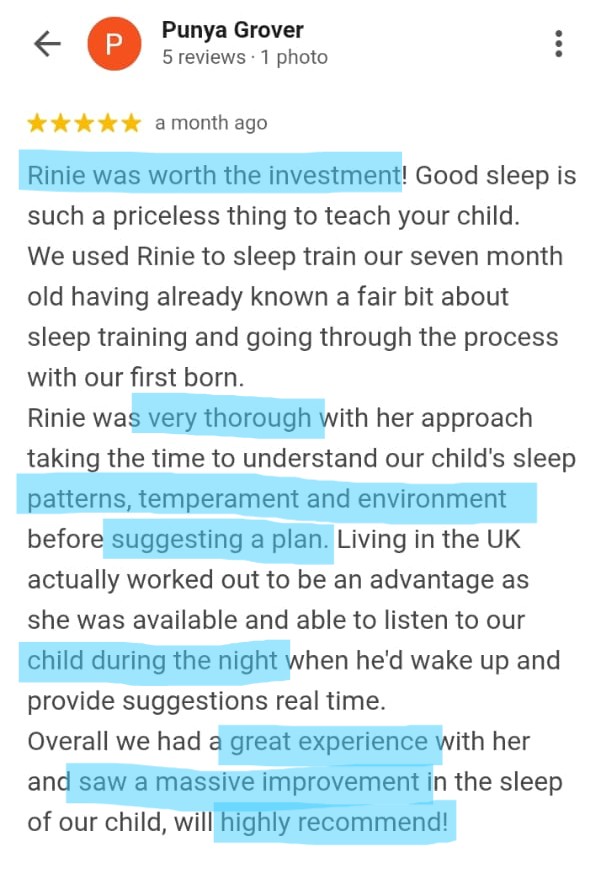
Written By:


