How Heat, Humidity, and Seasonal Changes Affect Baby Sleep Cycles
Mar 22, 2026
As seasons change, many parents notice sudden shifts in their baby’s sleep more night wakings, early mornings, shorter naps, or extra fussiness at bedtime. This isn’t a coincidence.
Heat, humidity, and seasonal changes directly affect a baby’s sleep cycles, circadian rhythm, and overall sleep quality. Understanding why this happens helps you respond calmly without constantly changing routines or blaming yourself.
Glimpse of the blog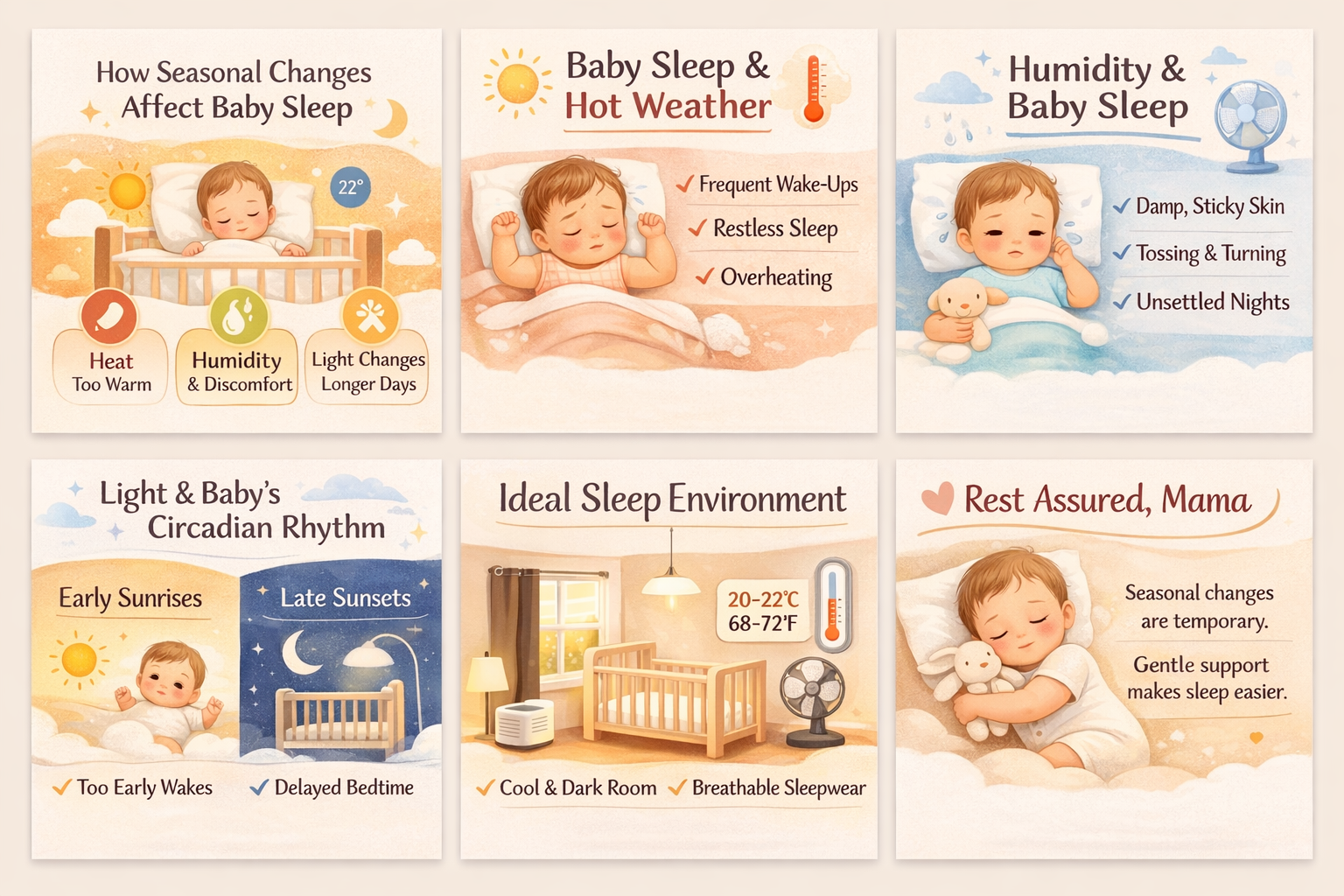
How Baby Sleep Cycles Work (A Quick Refresher)
Babies sleep in shorter cycles than adults, moving between:
- Light sleep
- Deep sleep
- Brief awakenings between cycles
For sleep to remain consolidated, the body relies on stable temperature regulation, adequate sleep pressure, and healthy melatonin production. Seasonal changes can disrupt all three.
How Heat Impacts Baby Sleep
Babies cannot regulate their body temperature as efficiently as adults. When the environment is too warm, their core body temperature remains elevated, making deep sleep harder to sustain.
This often results in:
- Frequent night wakings
- Restless or light sleep
- Early morning wake-ups
- Difficulty settling at bedtime
Some babies may even wake happy and alert during the night not because they are well-rested, but because heat has interrupted their sleep cycles.
The Role of Humidity in Baby Sleep Disruption
High humidity affects sleep even when the room temperature seems comfortable.
Why Humidity Matters for Sleep
When humidity levels are high, sweat does not evaporate efficiently. Babies may feel sticky, overheated, or uncomfortable, which can lead to fragmented sleep.
Common Signs of Humidity-Related Sleep Issues
- Short naps
- Increased tossing and turning
- Light, unsettled night sleep
Humidity often goes unnoticed but can significantly impact sleep quality during warmer months.
Seasonal Light Changes and the Circadian Rhythm
Babies are highly sensitive to changes in natural light, which plays a key role in regulating melatonin — the hormone responsible for sleep.
Longer Daylight Hours
During summer and seasonal transitions:
- Melatonin release may be delayed
- Bedtime can feel harder
- Early morning light can trigger premature wake-ups
Shorter Daylight Hours
In cooler months:
- Babies may appear sleepier earlier
- Nap timing may need gentle adjustment
- Nights can fragment if schedules aren’t aligned
Seasonal light shifts can confuse a baby’s internal clock if sleep cues are inconsistent.
Why Summer Sleep Often Feels More Challenging
Summer brings together heat, humidity, and extended daylight — a combination that can:
- Reduce deep sleep
- Increase overtiredness
- Make independent settling more difficult
This does not mean sleep foundations are broken. It simply means babies need additional environmental support during this season.
How to Support Better Sleep Through Seasonal Changes
Maintain a Stable Sleep Environment
- Ideal room temperature: 20–22°C (68–72°F)
- Use breathable, season-appropriate sleepwear
- Avoid overdressing at night
Manage Light Exposure Thoughtfully
- Darken the room for naps and early mornings
- Reduce bright light close to bedtime
- Keep bedtime routines consistent even when sunset shifts
Adjust Expectations Without Overhauling Schedules
Temporary disruptions are normal during seasonal transitions. Frequent schedule changes often create more sleep challenges rather than solving them.
Strengthen Sleep Foundations
Strong, consistent sleep foundations help babies adapt more easily to environmental changes without added stress for parents.
When to Seek Additional Sleep Support
If seasonal changes lead to:
- Ongoing night wakings
- Persistently short naps
- Increased bedtime resistance
- Rising parental stress or anxiety
Personalised sleep guidance can help stabilise sleep without trial-and-error approaches.
Final Thoughts on Seasonal Sleep Changes
Seasonal sleep disruptions are physiological, not behavioural. Your baby isn’t regressing their body is responding to changes in temperature, humidity, and light exposure.
With realistic expectations and gentle adjustments, sleep can settle again even during the hottest and brightest months of the year.
Need Personalised Help With Your Baby’s Sleep?
If bedtime feels harder with you than with anyone else, it usually means your baby needs clearer sleep structure — not less comfort.
Rinie’s 1:1 Baby Sleep Program looks at:
- Your baby’s sleep patterns
- Temperament
- Routines
- Family setup
…to create a plan that works specifically for you.
👉 Learn more here:
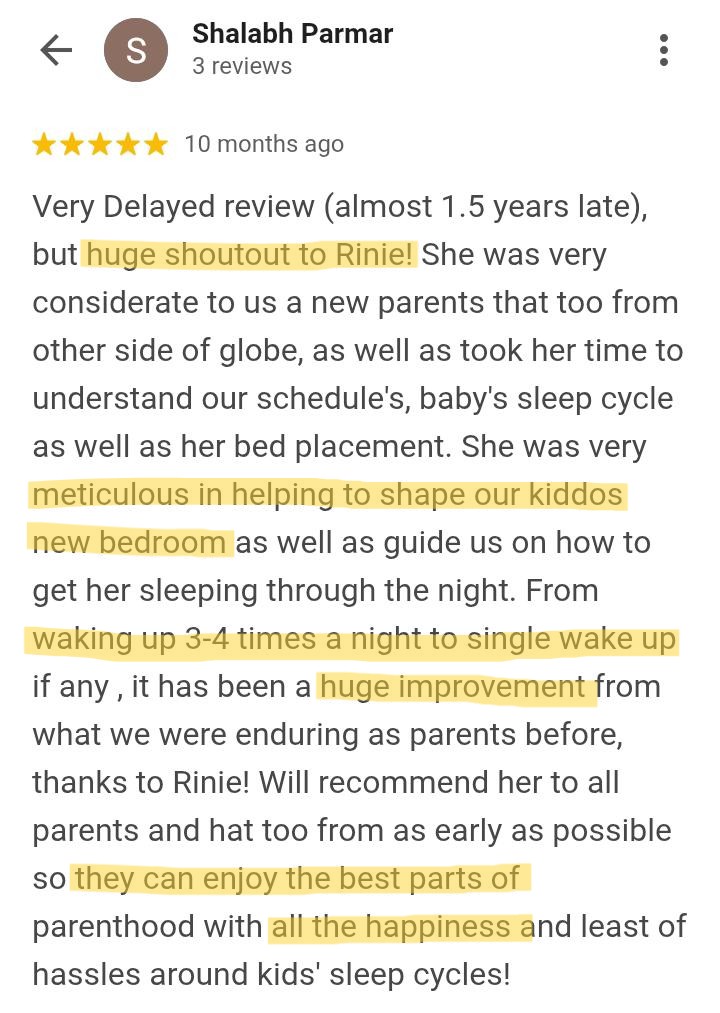
Look at our reviews 
Written By:


