Is My Baby Low Sleep Needs or Overtired? How to Tell the Difference
Jan 28, 2026
If your baby sleeps less than what Google, Instagram, or well-meaning relatives say they “should,” you’ve probably asked yourself this question at least once:
“Is my baby just low sleep needs… or am I actually dealing with chronic overtiredness?”
And honestly? This confusion is one of the biggest reasons parents feel stuck with broken sleep, frequent night wakings, and ongoing baby sleep struggles even after trying gentle baby sleep training advice online and “doing everything right.”
Let’s clear this up properly.

First Things First: What Does “Low Sleep Needs” Actually Mean?
A low sleep needs baby is a baby who:
- Is happy, alert, and engaged during wake times
- Falls asleep relatively easily
- Has predictable energy levels
- May sleep slightly less than average but still sleeps well
These babies don’t look exhausted, even if their total sleep is on the lower end of the normal range.
Low sleep needs does not mean:
- Constant crankiness
- Short naps + frequent night wakings
- Early morning wake-ups
- Fighting sleep every single time
That’s where many parents get misled.
What Overtiredness Really Looks Like (And Why It’s So Common)
An overtired baby is not always yawning and rubbing their eyes.
In fact, overtiredness often looks like:
- Hyperactivity before sleep
- Crying or fussing as soon as the routine starts
- Short naps (30–40 minutes)
- Waking frequently at night
- Early morning wake-ups (5–6 AM)
- Taking longer to fall asleep, not shorter
When a baby stays awake beyond what their body can comfortably handle, stress hormones like cortisol kick in making it harder for them to fall asleep and stay asleep.
This pattern is commonly seen by pediatric sleep consultants when families seek baby sleep training for overtired babies.
So the irony is:
The more tired the baby is, the worse they sleep.
The Key Difference Most Parents Miss
Here’s the simplest way to tell the difference:
A low sleep needs baby:
- Sleeps less but sleeps well
An overtired baby:
- Sleeps less and sleeps badly
If your baby is:
- Hard to settle
- Waking often
- Napping inconsistently
- Seemingly tired but refusing sleep
…it’s almost never low sleep needs and is far more likely linked to overtiredness something gentle sleep training is designed to fix.
Why This Confusion Happens So Often
There are a few common reasons parents label their baby as “low sleep needs” too quickly:
1. Online sleep averages create unrealistic expectations
Sleep charts show ranges, not targets but they’re often treated like rules.
2. Babies don’t always show classic tired cues
Many babies become wired instead of sleepy when overtired.
3. Chronic overtiredness masks itself
After weeks of poor sleep, babies stop showing obvious cues, but their sleep quality continues to suffer which is why many families seek help to fix an overtired baby only after months of exhaustion.
How to Tell Which One You’re Dealing With (Quick Checklist)
Ask yourself honestly:
- Does my baby wake up happy most mornings?
- Do naps lengthen when timing improves?
- Does bedtime get easier with consistency?
- Does night sleep improve when day sleep is better structured?
If the answer is yes, your baby likely isn’t low sleep needs they’re just needing better-timed, more restorative sleep, often achieved through age-appropriate sleep training strategies.
Why “Low Sleep Needs” Is Often a Temporary Label
In my experience as a pediatric sleep consultant, true low sleep needs babies are rare.
What I see far more often are:
- Babies stuck in overtired cycles
- Schedules stretched too far
- Well-meaning parents trying to “tire the baby out”
Once sleep timing, routines, and expectations are corrected through gentle baby sleep training, these babies often:
- Nap longer
- Wake less at night
- Feel calmer overall
And suddenly, they don’t seem “low sleep needs” anymore.
When to Get Support
If you’ve:
- Adjusted wake windows
- Tried earlier bedtimes
- Focused on routines
…but sleep is still unpredictable or exhausting, it may be time to look deeper than surface-level advice and get personalised baby sleep training support.
Sometimes, small timing shifts and tailored guidance from a baby sleep consultant make a bigger difference than any generic sleep tip ever could.
Final Thought
Before accepting “my baby just doesn’t need much sleep,” ask yourself:
Is my baby sleeping less or struggling to sleep well?
Because those are two very different things, and the solution depends entirely on knowing which one you’re dealing with.
If you’re unsure, you don’t have to figure it out alone.
Need Personalised Help With Your Baby’s Sleep?
If you’re stuck wondering whether your baby is low sleep needs or simply overtired, it usually means generic advice isn’t enough anymore.
Rinie’s 1:1 Baby Sleep Program is designed to look at your baby’s age, temperament, sleep patterns, feeding, and family setup so you’re not guessing or constantly second-guessing yourself.
Together, we focus on:
- Understanding why your baby is struggling with sleep
- Fixing overtired cycles gently and sustainably
- Creating a plan that works for your baby and your parenting style
- Helping your baby sleep better without guilt, fear, or confusion
If you’re ready to stop Googling and start sleeping, you can learn more about the Baby Sleep Program
Because better sleep isn’t about labels it’s about the right support. 💛
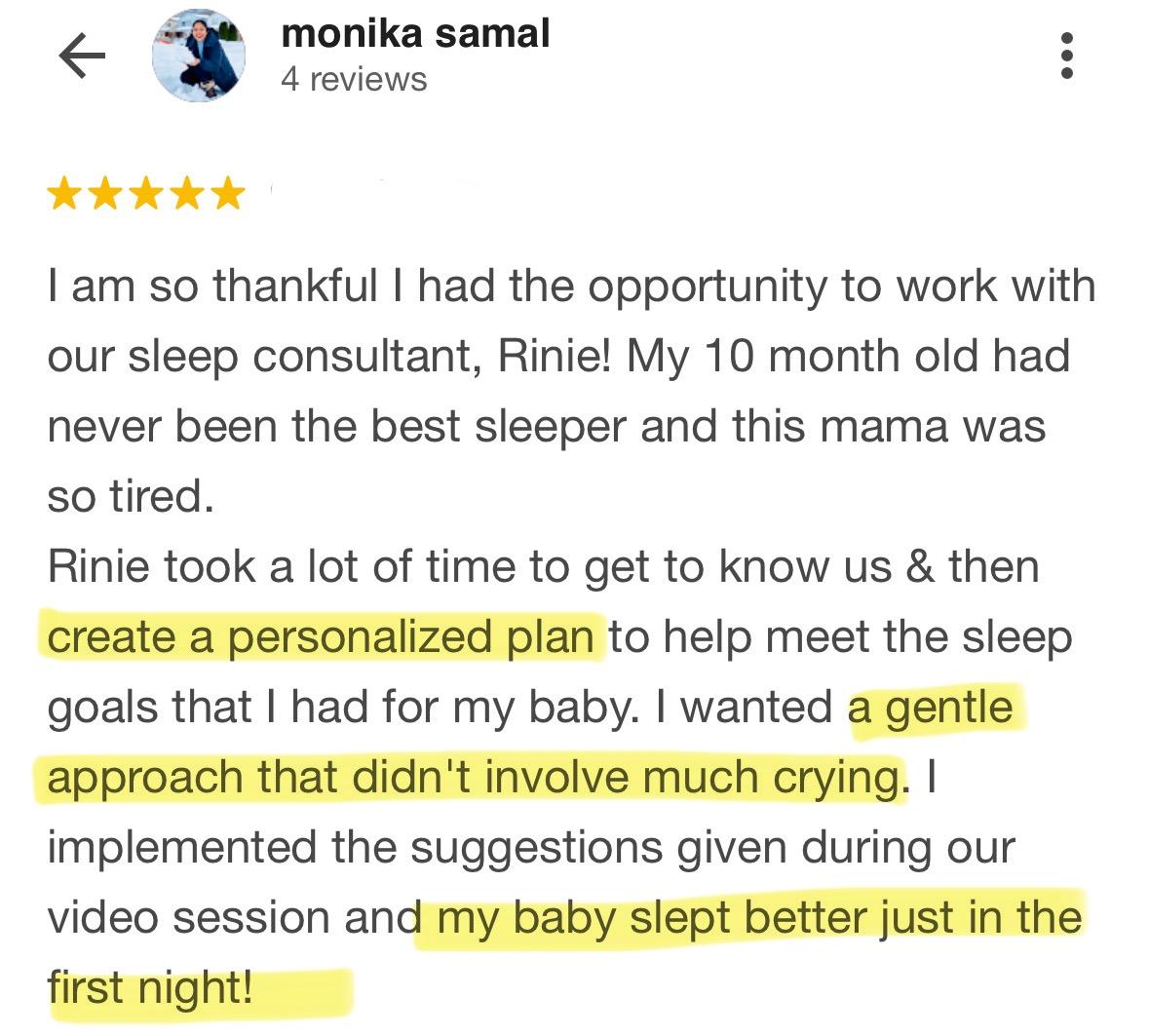
Look at our reviews 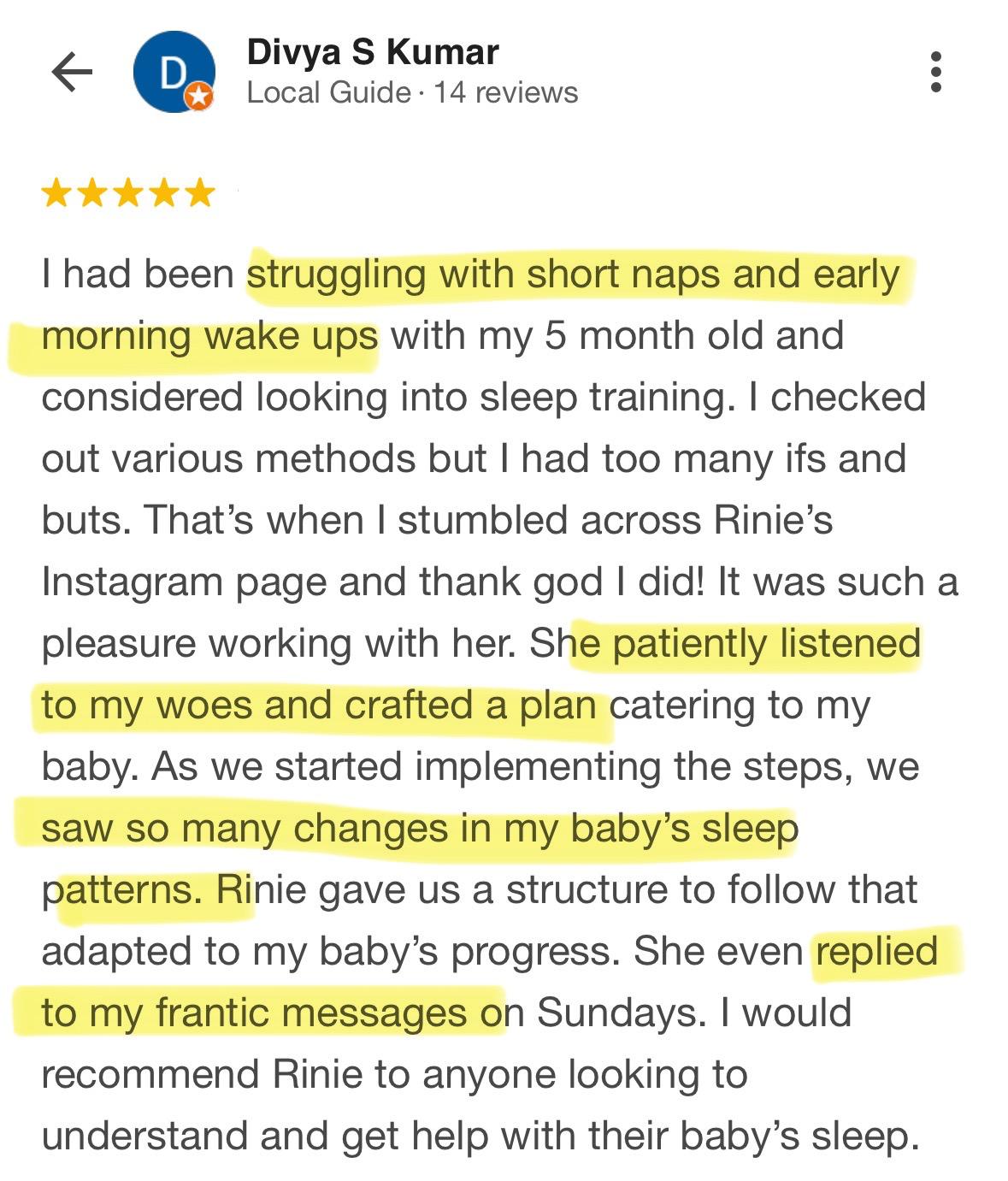
Written By:


