Short Naps Explained: Why Some Babies Nap Only 30 to 45 Minutes
Mar 22, 2026
If your baby wakes up after just 30 to 45 minutes from every nap, it can feel frustrating and confusing. Many parents worry that something is wrong or that they are doing something incorrectly.
The reality is that short naps are one of the most common baby sleep concerns and in most cases they are linked to how baby sleep cycles work, not a lack of effort from parents.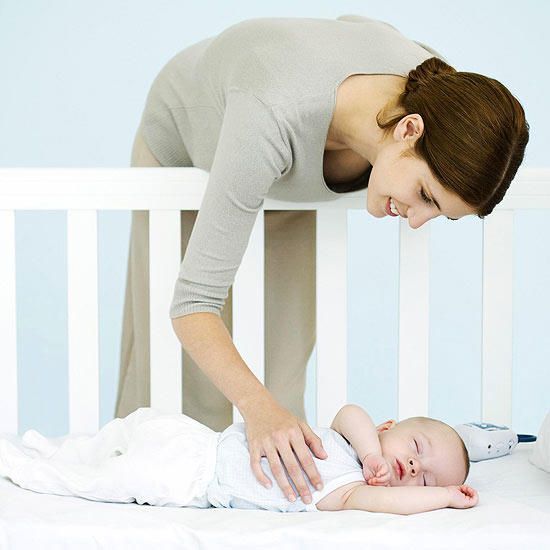
How Baby Nap Sleep Cycles Work
Babies move through lighter and deeper stages of sleep just like adults, but their sleep cycles are much shorter.
A single baby sleep cycle typically lasts around 30 to 45 minutes. At the end of this cycle, babies briefly wake before moving into the next one.
If they are unable to settle back into sleep at this point, the nap ends.
Why Some Babies Nap Only One Sleep Cycle
There are several common reasons why babies struggle to link nap sleep cycles.
Developmental Immaturity
Younger Babies and Nap Length
For younger babies, especially under five to six months, short naps are often developmentally normal. Their nervous system is still maturing and longer consolidated naps take time to develop.
In many cases, naps naturally lengthen with age without any formal intervention.
Overtiredness
How Being Too Tired Shortens Naps
When a baby is overtired, their body produces more stress hormones like cortisol. This makes it harder to stay asleep and easier to wake fully at the end of a sleep cycle.
Overtired babies often:
- Fall asleep quickly
- Wake crying after short naps
- Struggle to resettle
Undertiredness
When Sleep Pressure Is Too Low
If a baby goes down for a nap before enough sleep pressure has built, they may complete one light sleep cycle and wake feeling rested enough to stay awake.
This can happen when awake windows are too short for the baby’s age.
Sleep Associations and Nap Sleep
Why Nap Sleep Can Be Harder Than Night Sleep
Naps rely more heavily on sleep associations because sleep pressure is lower during the day. If a baby depends on feeding, rocking, or holding to fall asleep, they may struggle to recreate those conditions independently when they wake mid nap.
This does not mean the association is wrong, but it can contribute to short naps.
Environmental Factors That Shorten Naps
Light, Noise, and Temperature
Daytime sleep is more sensitive to the environment. Short naps can be triggered by:
- Too much light in the room
- Household noise
- Uncomfortable room temperature
Even small disruptions can wake a baby at the end of a sleep cycle.
Do Short Naps Mean My Baby Is Not Getting Enough Sleep?
Short naps alone are not always a problem. Many babies compensate with more frequent naps or longer night sleep.
However, short naps may need support if they lead to:
- Chronic overtiredness
- Evening fussiness
- Early bedtime struggles
- Frequent night wakings
How to Help Naps Lengthen Gently
Focus on Age Appropriate Awake Windows
Ensuring your baby is neither overtired nor undertired at nap time is one of the most effective ways to support longer naps.
Protect the Sleep Environment
Darkening the room, using consistent background noise, and keeping the room comfortable can make a big difference for nap sleep.
Support Settling Without Pressure
Some babies need gentle support to learn how to transition between sleep cycles. This does not have to involve leaving them to cry.
When Short Naps Improve Naturally
For many babies, naps begin to lengthen between five and seven months as sleep cycles mature and sleep pressure increases.
Consistency, patience, and realistic expectations are often enough to support this transition.
When to Seek Extra Help for Short Naps
If short naps persist alongside night sleep struggles or significant parental exhaustion, personalised guidance can help identify what your baby needs most.
Final Thoughts on Short Baby Naps
Short naps are not a sign of failure. They are often a normal part of sleep development and can be improved gently with the right adjustments.
Understanding why your baby wakes after one sleep cycle helps you respond with confidence instead of frustration.
1:1 Baby Sleep Training Support
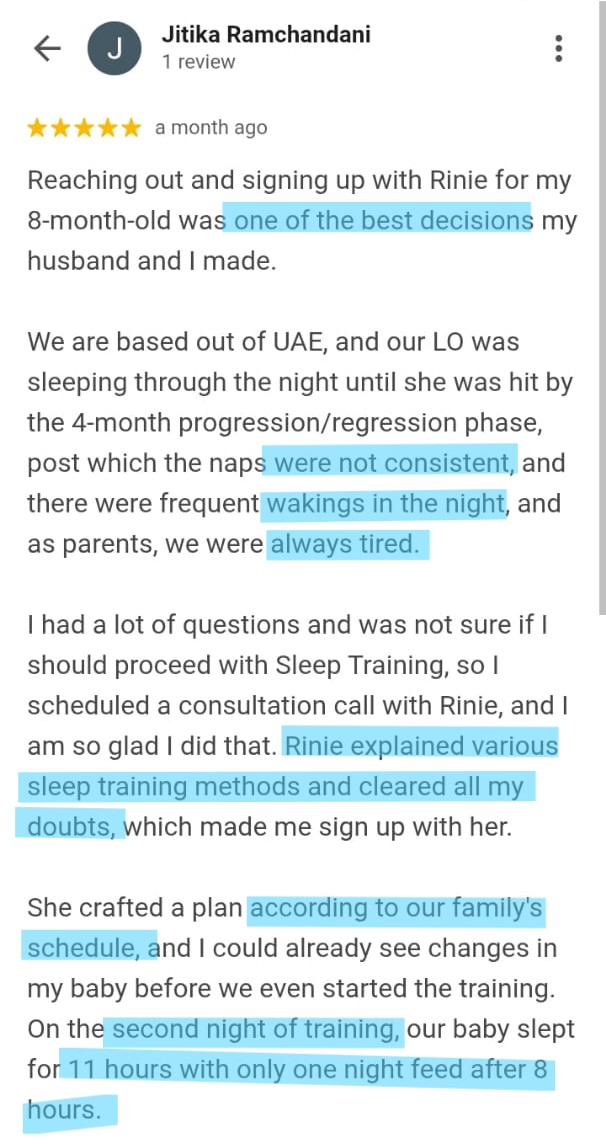
If you’re unsure what is causing the problem or you’ve tried multiple approaches without success1:1 baby sleep training gives you a personalized plan and hands-on guidance.
Look at our reviews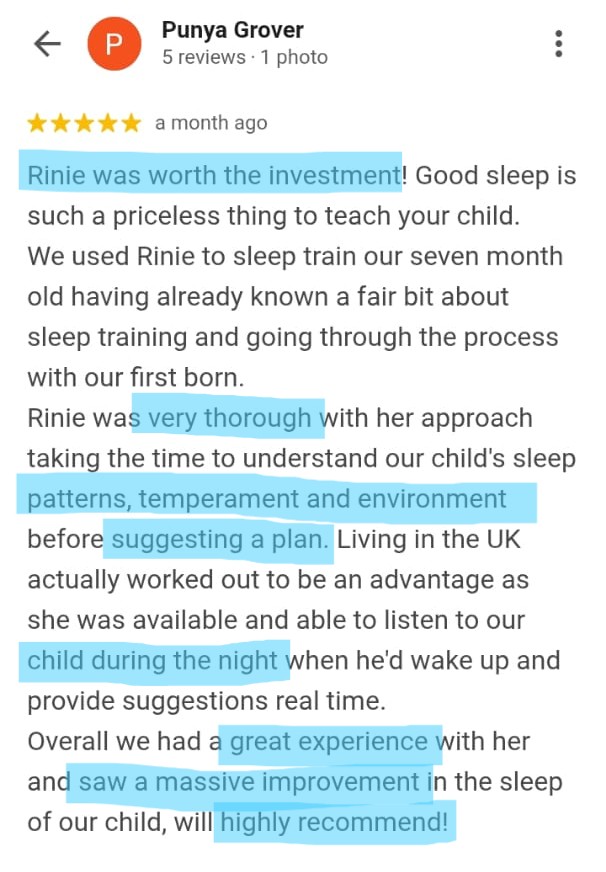
Written By:


