What Does Good Sleep Actually Look Like at Each Baby Age?
Mar 17, 2026
One of the most common questions parents ask is:
“Is my baby sleeping enough?”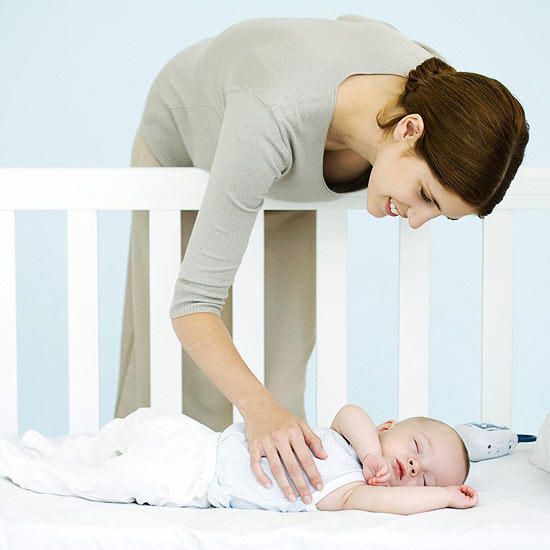
But here’s the truth most parents aren’t told early enough:
👉 Good sleep looks very different at each baby age.
What’s normal for a newborn would be considered poor sleep for a 1-year-old and vice versa.
Understanding normal baby sleep patterns by age helps you:
- Set realistic expectations
- Avoid unnecessary anxiety
- Know when sleep challenges are developmental vs fixable
Let’s break it down clearly.
Newborn Sleep (0–3 Months)
What Good Sleep Looks Like
- Total sleep: 14–17 hours in 24 hours
- Sleep stretches: 2–4 hours at a time
- Night wakings: Very frequent (feeding-driven)
- Naps: Unstructured, scattered throughout the day
At this stage, newborns do not have a circadian rhythm. Their sleep is driven by hunger, not the clock.
What’s Normal (Even If It Feels Hard)
- Day–night confusion
- Contact naps
- Feeding to sleep
- Waking every 2–3 hours overnight
❗ This is not a sleep problem it’s biological newborn sleep.
What to Focus On Instead of “Fixing Sleep”
- Safe sleep practices
- Gentle exposure to daylight during the day
- Keeping nights calm and low-stimulation
Infant Sleep (3–6 Months)
What Good Sleep Looks Like
- Total sleep: 14–16 hours
- Night sleep: 6–8 hours (with 1–2 feeds)
- Naps: 3–4 naps per day
- Wake windows: 1.5–2.5 hours
This is when babies start developing a circadian rhythm, meaning night sleep becomes more consolidated.
Common Challenges at This Age
- Short naps (30–45 minutes)
- Increased night wakings
- Needing help to fall asleep
These are signs your baby is learning how sleep works, not signs of failure.
How to Support Better Sleep
- Consistent bedtime routine
- Age-appropriate wake windows
- Putting baby down drowsy but awake when possible
Older Infant Sleep (6–9 Months)
What Good Sleep Looks Like
- Total sleep: 13–15 hours
- Night sleep: 10–12 hours
- Naps: 2–3 naps
- Wake windows: 2.5–3 hours
Why Sleep Often Gets Disrupted Here
- Rolling, crawling, sitting
- Separation anxiety
- Object permanence development
Your baby may wake more often not because they’re hungry, but because their brain is busy learning.
What Helps at This Stage
- Encouraging independent sleep skills
- Responding consistently overnight
- Avoiding overtiredness
This is a common age parents seek help from a baby sleep consultant because patterns start repeating.
Baby Sleep (9–12 Months)
What Good Sleep Looks Like
- Total sleep: 12–15 hours
- Night sleep: 10–12 hours
- Naps: 2 naps (morning + afternoon)
Common Issues Parents Notice
- Fighting naps
- Early morning wake-ups
- Standing or crying in the crib
These are often schedule-related, not behavioural problems.
Key Sleep Focus
- Protecting nap timing
- Avoiding late second naps
- Keeping bedtime consistent
At this age, sleep timing matters more than total sleep numbers.
Toddler Sleep (12–18 Months)
What Good Sleep Looks Like
- Total sleep: 11–14 hours
- Night sleep: 10–12 hours
- Naps: Transitioning from 2 naps to 1
Why Sleep Can Feel Messy
- Nap transitions
- Increased independence
- Teething and language bursts
Many toddlers are undertired or overtired without parents realising it, leading to night wakings or early mornings.
What Helps
- Gradual nap transitions
- Strong bedtime routine
- Clear sleep boundaries delivered calmly
Toddler Sleep (18–24 Months)
What Good Sleep Looks Like
- Total sleep: 11–13 hours
- Night sleep: 10–12 hours
- Naps: 1 nap, ideally midday
Common Toddler Sleep Struggles
- Bedtime resistance
- Calling out overnight
- Early morning wake-ups
This is not manipulation, it's developmental testing of limits.
Supporting Good Sleep
- Predictable routine
- Consistent response to night wakings
- Avoiding overtiredness
How to Know If Your Baby Is Getting Enough Sleep
Signs of good, healthy sleep:
- Baby wakes mostly happy
- Naps are reasonably predictable
- Night wakings reduce with age
- Mood and feeding are stable
Signs sleep needs support:
- Chronic early mornings
- Multiple night wakings after 6 months
- Very short naps beyond 6 months
Final Takeaway
Good sleep isn’t about perfection.
It’s about:
- Age-appropriate expectations
- Consistent routines
- Understanding your baby’s biology
When sleep aligns with development, it becomes easier not forced.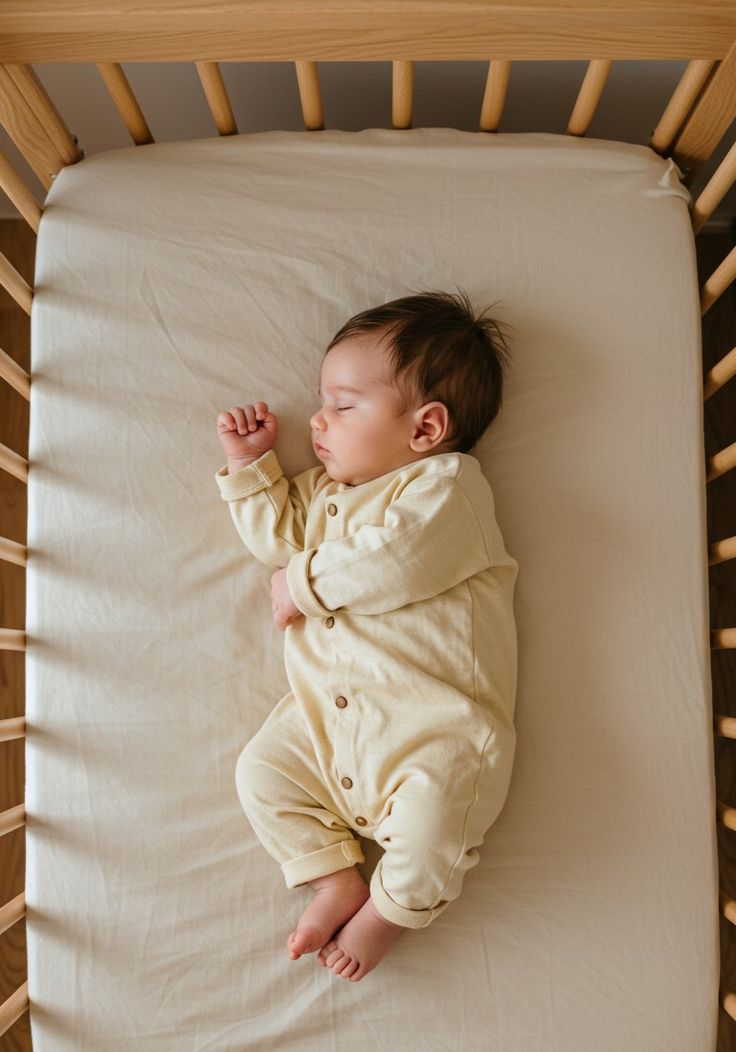
1:1 Baby Sleep Training Support
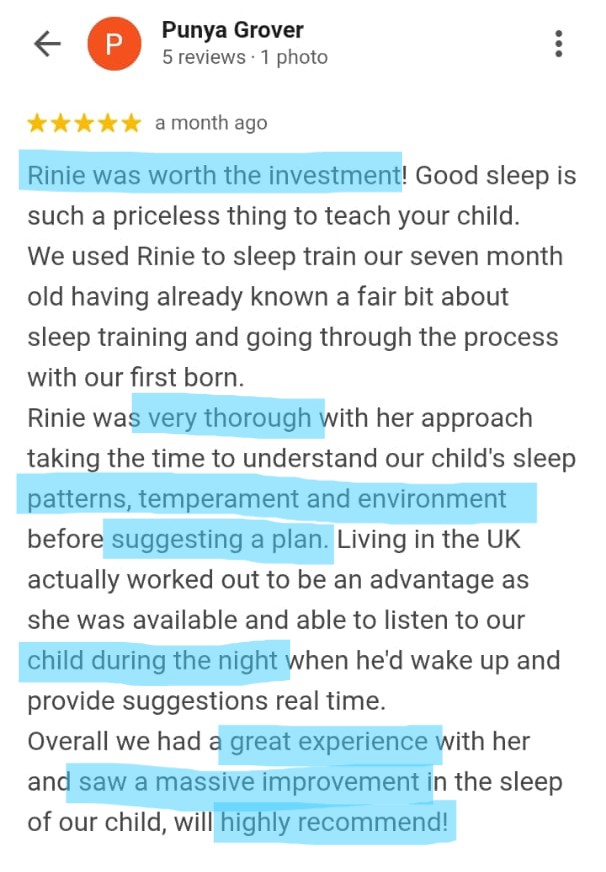
If you’re unsure whether your baby is overtired, undertired, or stuck in a cycle of night wakings, 1:1 personalized baby sleep training gives you clarity and a plan tailored to your baby.
👉 Explore 1:1 support here:
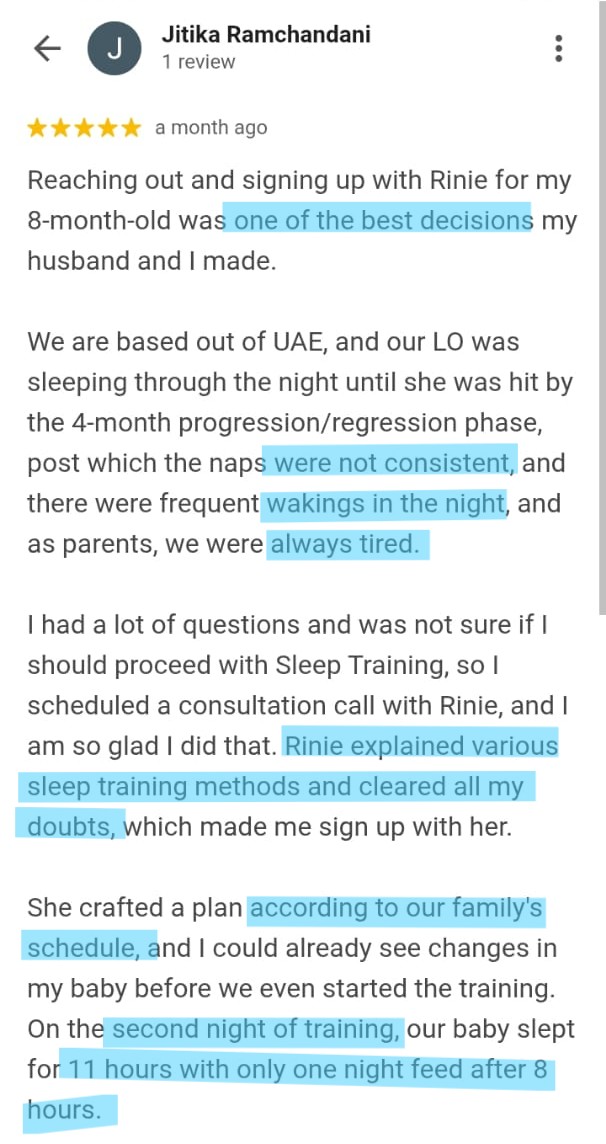
Reviews
References (APA 7th Edition)
Mindell, J. A., & Owens, J. A. (2015). A clinical guide to pediatric sleep: Diagnosis and management of sleep problems (3rd ed.). Wolters Kluwer.
Sadeh, A. (2004). A brief screening questionnaire for infant sleep problems. Pediatrics, 113(6), e570–e577. https://doi.org/10.1542/peds.113.6.e570
Blunden, S., & Galland, B. (2014). The complexities of defining optimal sleep. Nature and Science of Sleep, 6, 129–140. https://doi.org/10.2147/NSS.S45707
Tikotzky, L., & Sadeh, A. (2009). Infant sleep and maternal sleep-related cognitions. Journal of Family Psychology, 23(6), 846–856. https://doi.org/10.1037/a0016750
Written By:


