Why Babies Sleep Differently Outside the Home (Travel, Grandparents, Daycare)
Mar 27, 2026
Why Baby Sleep Changes Outside the Home
Babies thrive on familiarity. Their sleep is closely linked to routine, environment, and sensory cues. When any of these change, such as during travel, visits to grandparents, or starting daycare, sleep patterns often shift.
These changes are normal and do not mean your baby has forgotten how to sleep.
How Sleep Associations Influence Sleep Away From Home
Why Familiar Cues Matter
Babies rely on sleep associations like darkness, white noise, feeding routines, or being rocked to fall asleep. When these cues are missing or different, babies may wake more frequently or struggle to settle.
Even small changes such as a different mattress, room lighting, or caregiver can affect sleep quality.
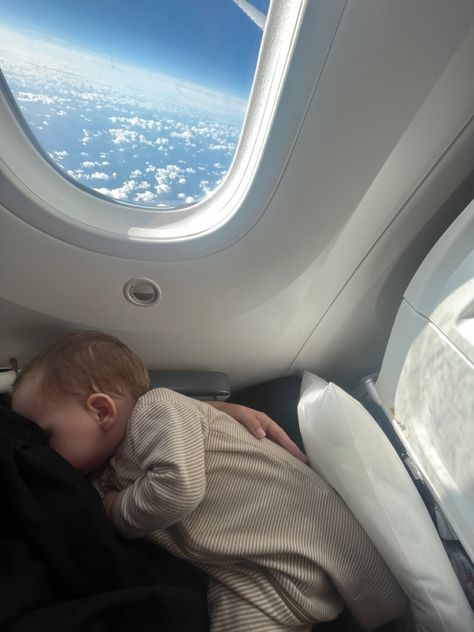
Why Babies Often Sleep Worse While Traveling
Disrupted Schedules and Time Changes
Travel often disrupts nap timing, bedtime routines, and wake windows. Missed naps or late bedtimes can quickly lead to overtiredness, making night sleep more fragmented.
New Environments and Sensory Overload
Unfamiliar sounds, smells, and lighting can keep a baby’s nervous system alert. Even if your baby appears tired, their body may struggle to fully relax in a new place.
Why Babies Sleep Differently at Grandparents’ Homes
Inconsistent Routines
Grandparents often have different ideas about naps, feeding times, or bedtime routines. Even small shifts can confuse a baby’s internal clock.
Extra Stimulation and Excitement
New faces, attention, and playtime can be overstimulating, especially close to sleep times. This can delay sleep onset and increase night wakings.
How Daycare Impacts Baby Sleep
Shorter or Irregular Naps
Daycare environments are stimulating and often follow group schedules. Some babies nap less or struggle to nap deeply in this setting.
This can lead to increased tiredness and early bedtimes at home.
Different Sleep Support Methods
Babies may be soothed or put to sleep differently at daycare, which can temporarily affect how they settle at home.
How to Support Better Sleep Outside the Home
Bring Familiar Sleep Cues
Whenever possible, bring items from home such as:
- A familiar sleep sack
- White noise
- A consistent bedtime routine
These cues help signal sleep even in new environments.
Protect Sleep Timing Where Possible
Aim to keep naps and bedtime within a reasonable range of your usual schedule. Avoid pushing bedtime too late to compensate for missed naps.
Will Sleep Go Back to Normal After Returning Home
Yes. Most babies return to their usual sleep patterns once familiar routines and environments are restored. Sleep disruptions during travel or transitions are temporary.
Consistency and patience are key.
End-of-Blog Closure
If travel, daycare, or frequent changes in environment have left your baby’s sleep feeling unpredictable, structured support can make a big difference.
Our Baby Sleep Training Program helps families:
- Create flexible routines that work at home and away
- Build strong sleep foundations that travel well
- Improve naps and night sleep despite disruptions
- Support independent sleep gently and responsively
👉 Learn more about our personalised baby sleep training support here:
https://www.yawntodawnconsulting.com/
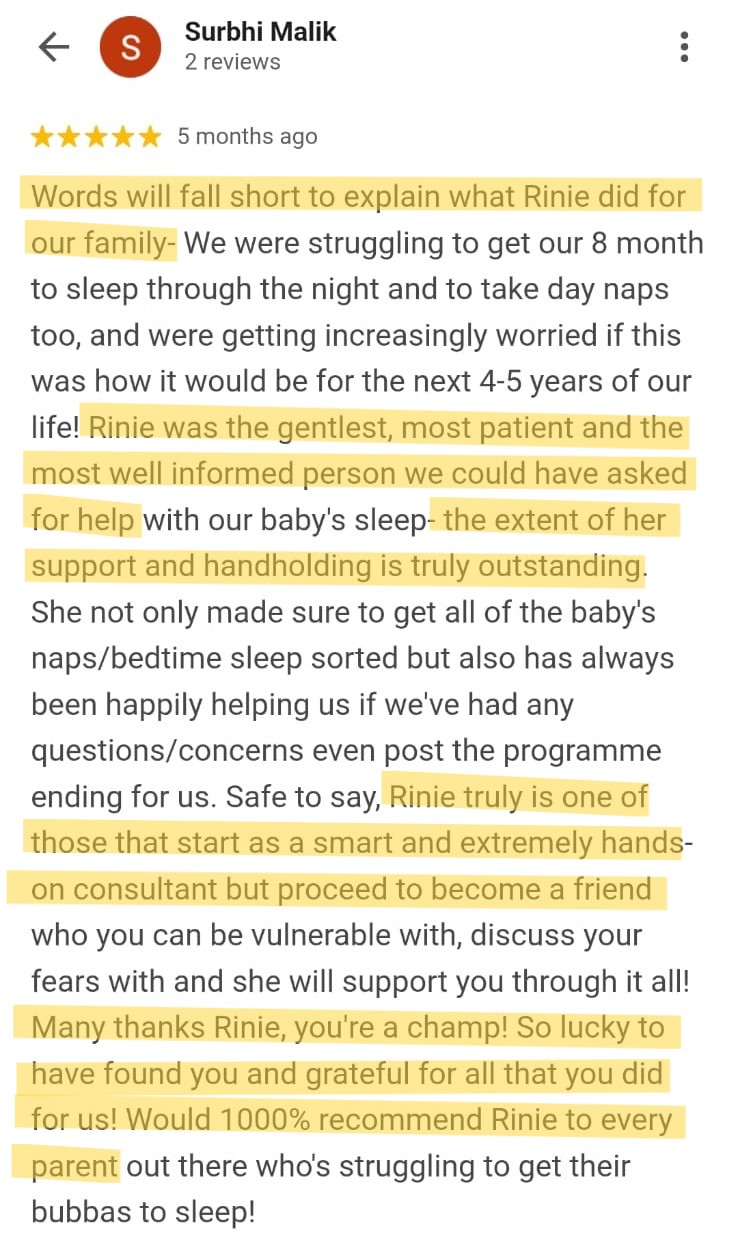
Look at our reviews

Written By:


