Why Does My Baby Nap Only 30–45 Minutes?
Mar 27, 2026
Many babies wake after just one sleep cycle, which typically lasts around 30 to 45 minutes. While this can be developmentally normal at certain ages, persistent short naps often signal an underlying issue that needs gentle correction.
Poor or Age-Inappropriate Sleep Schedule
Overtired or Undertired Wake Windows
If your baby is kept awake for too long, their body produces stress hormones that make it harder to stay asleep. If they are put down too early, there may not be enough sleep pressure to link cycles.
Both scenarios can result in naps that end after one cycle.
Inconsistent Nap Timing
Irregular nap schedules confuse your baby’s internal clock, making it harder for the brain to anticipate and maintain longer stretches of sleep.
Poor Sleep Environment
Too Much Light or Noise
Babies move into lighter sleep toward the end of a cycle. If the room is bright or noisy, they are more likely to wake fully instead of transitioning smoothly into the next cycle.
Temperature Discomfort
A room that is too warm or too cold can cause partial awakenings, especially during lighter stages of sleep. A cool, comfortable sleep space supports longer naps.
Inability to Link Sleep Cycles Independently
Strong Sleep Associations
If your baby relies on feeding, rocking, or being held to fall asleep, they may struggle to resettle when they briefly wake between cycles.
Developmental Skill Gap
Linking sleep cycles is a learned skill. Some babies need structured support and consistency to develop this ability, especially beyond the newborn stage.
When Short Naps Are Developmentally Normal
At certain ages, especially under 5 months, short naps can be normal and temporary. However, if short naps persist beyond this stage and impact mood, night sleep, or feeding, it is a sign that changes are needed.
How Sleep Training Helps Lengthen Naps
Sleep training focuses on:
- Correct wake windows and nap timing
- Optimising the sleep environment
- Teaching babies how to fall asleep independently
- Supporting smooth transitions between sleep cycles
With the right approach, most babies can learn to nap longer and wake up more refreshed.
Final note
If short naps are leaving your baby cranky and your days unpredictable, you do not have to figure this out on your own.
Our 1:1 Baby Sleep Training Program helps you:
- Build a biologically appropriate nap schedule
- Create a sleep environment that supports longer rest
- Teach your baby how to link sleep cycles gently
- Improve both naps and night sleep without rigid methods
👉 Learn more about our personalised sleep training support here:
https://www.yawntodawnconsulting.com/
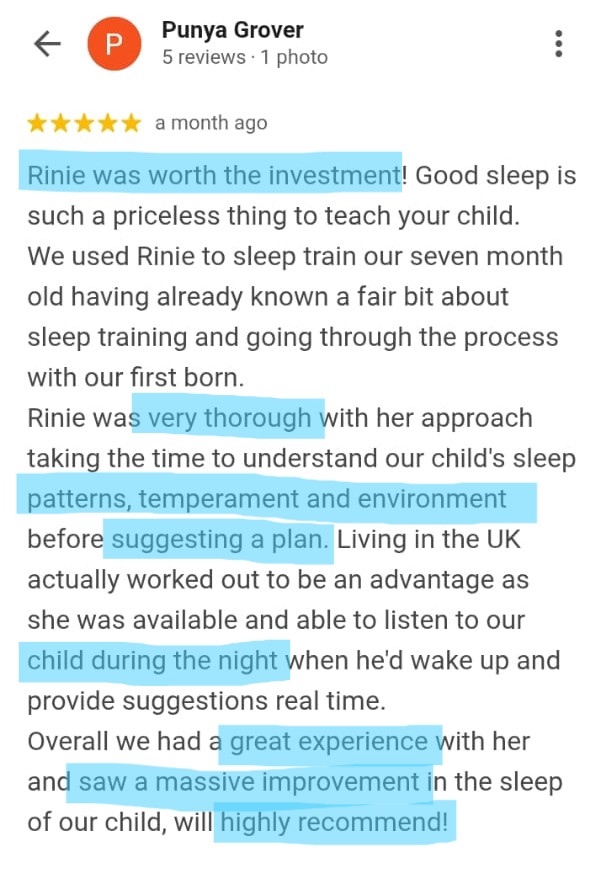
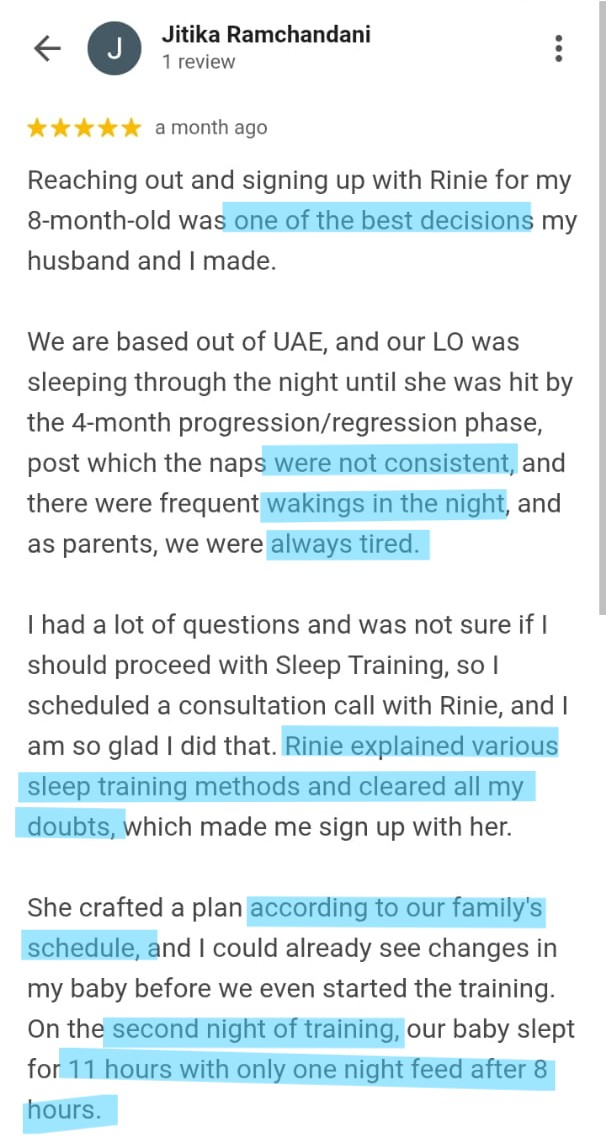
Look at our reviews
Written By:


