Why Fixing Wake Windows Alone Doesn’t Always Improve Baby Sleep
Mar 17, 2026
Fixing wake windows but the baby still wakes at night? Learn why wake windows alone don’t always solve baby sleep problems and what truly improves naps and night sleep.
“I Fixed the Wake Windows… So Why Is My Baby Still Waking?”
This is one of the most common frustrations parents share:
“I adjusted the wake windows exactly as suggested, but my baby is still waking multiple times at night.”
And you’re not wrong to feel confused.
Wake windows do matter but they are only one piece of the baby sleep puzzle.
When sleep problems persist, it’s usually because something else is interfering with how your baby falls asleep and stays asleep.
Let’s break this down clearly and honestly.

First: What Are Wake Windows (and Why Do They Matter)?
Wake windows refer to the amount of time your baby can comfortably stay awake between sleeps before becoming overtired.
When wake windows are appropriate:
- Babies fall asleep more easily
- Naps are more predictable
- Night sleep improves
When wake windows are off:
- Babies fight sleep
- Naps are short
- Night wakings increase
So yes wake windows are important.
But correct wake windows do not automatically equal good sleep.
Why Wake Windows Alone Don’t Fix Baby Sleep
1. Falling Asleep ≠ Staying Asleep
Many babies fall asleep beautifully at bedtime but wake up every sleep cycle overnight.
Why?
Because how a baby falls asleep matters just as much as when they fall asleep.
If your baby:
- Is rocked fully to sleep
- Feeds to sleep every time
- Needs motion, patting, or holding
They may wake between sleep cycles and need the same help again.
Wake windows don’t fix sleep associations.
2. Sleep Associations Are Stronger Than Schedules
Babies naturally wake briefly between sleep cycles; this is normal human sleep.
The difference is:
- A baby who can self-settle goes back to sleep
- A baby who relies on external help calls for it again
Even with perfect wake windows:
- Sleep associations can cause frequent night wakings
- Naps may stay short
- Early morning wake-ups persist
This is one of the biggest reasons parents feel “stuck.”
3. Overtiredness Can Still Build (Even With “Correct” Wake Windows)
Wake windows are averages not rules.
Two babies of the same age may need:
- Different stimulation levels
- Different nap lengths
- Different wind-down times
If your baby:
- Takes short naps
- Has high sensory input
- Has a late bedtime
They may still become overtired despite following textbook wake windows.
Overtiredness increases:
- Cortisol (stress hormone)
- Night wakings
- Early morning rising
4. Schedule Issues Aren’t the Same as Sleep Skill Issues
Wake windows address timing, not skills.
Sleep skills include:
- Falling asleep independently
- Linking sleep cycles
- Settling without full intervention
If a baby hasn’t learned these yet, wake windows alone won’t resolve:
- Multiple night wakings
- Split nights
- Long bedtime struggles
This is why some babies sleep worse after schedule tweaks. The root issue remains untouched.
5. Inconsistent Responses Confuse Sleep Patterns
Even with perfect wake windows, sleep won’t improve if:
- Bedtime responses change nightly
- One parent rocks while the other feeds
- Nights are handled differently from naps
Babies thrive on predictability.
Inconsistency leads to:
- Protest wakings
- Increased crying
- Regression-like behaviour
Schedules can’t override inconsistency.
What Actually Improves Baby Sleep (Beyond Wake Windows)
Wake windows work best when paired with:
✔ A Consistent Bedtime Routine
Predictable cues help babies transition into sleep calmly.
✔ Independent Sleep Foundations
Not “cry it out” but age-appropriate settling support.
✔ A Sleep-Supportive Environment
Dark room, white noise, appropriate temperature.
✔ A Whole-Day View of Sleep
Day sleep, night sleep, feeding patterns, stimulation levels all matter.
Signs Wake Windows Are Not the Core Problem
If your baby:
- Falls asleep quickly but wakes often
- Takes short naps despite correct timing
- Wakes happy at night
- Needs the same help every waking
👉 The issue is sleep association or sleep skill, not timing.
The Real Truth Parents Need to Hear
Wake windows are a tool, not a solution.
They help support sleep but they don’t teach a baby how to sleep.
Lasting sleep improvement comes from:
- Understanding your baby’s sleep biology
- Addressing how sleep begins
- Responding consistently and calmly
1:1 Baby Sleep Training Support
For families who’ve tried schedules, apps, and advice, 1:1 sleep training offers personalized guidance based on your baby’s temperament, age, and sleep history.
👉 Explore 1:1 baby sleep training here:
https://www.yawntodawnconsulting.com/
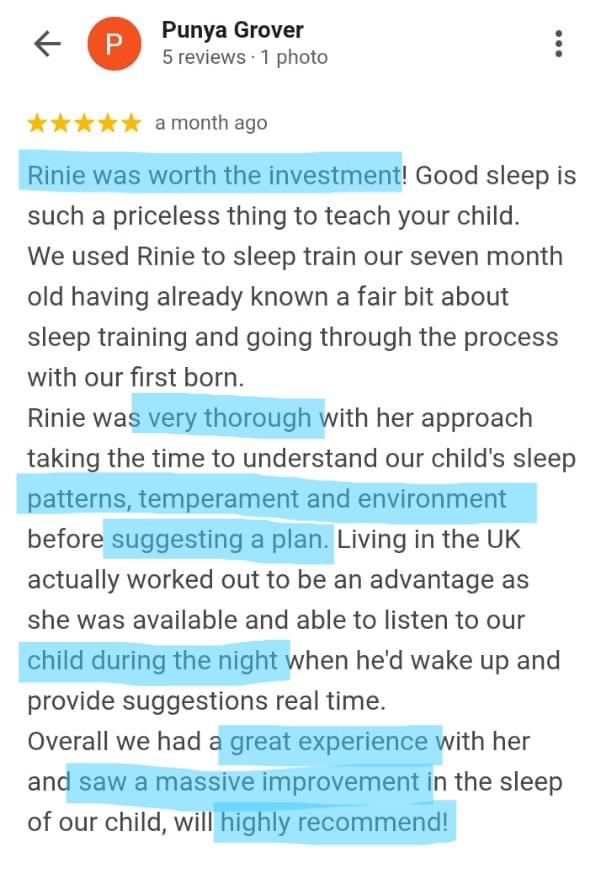
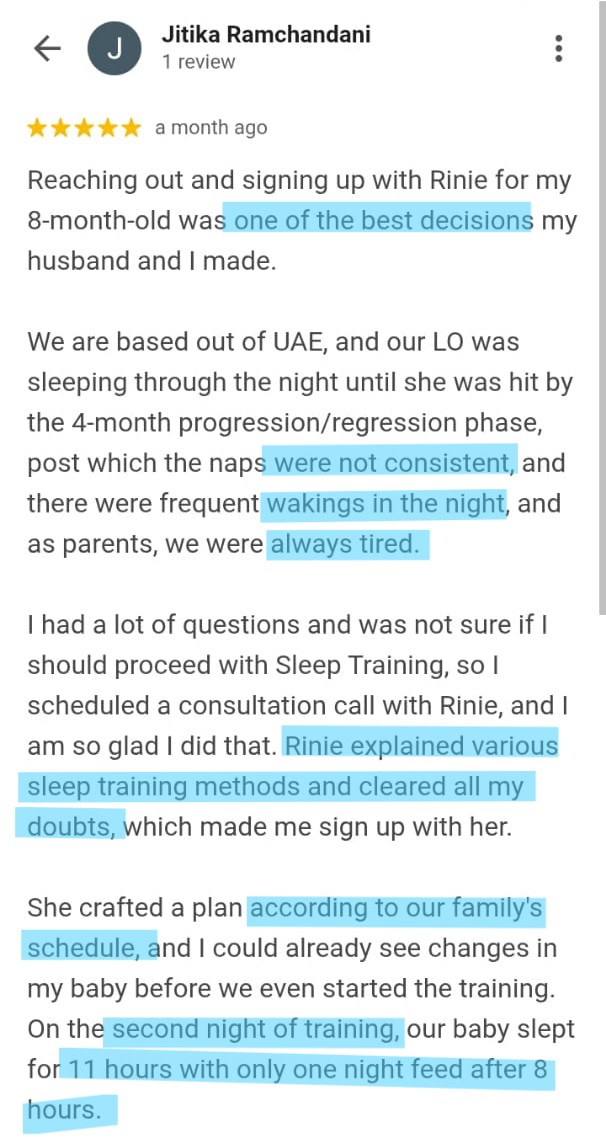
Look at our reviews
References (APA 7th Edition)
Mindell, J. A., & Owens, J. A. (2015). A clinical guide to pediatric sleep: Diagnosis and management of sleep problems (3rd ed.). Wolters Kluwer.
Sadeh, A., Tikotzky, L., & Scher, A. (2010). Parenting and infant sleep. Sleep Medicine Reviews, 14(2), 89–96. https://doi.org/10.1016/j.smrv.2009.08.003
Hiscock, H., Bayer, J., Hampton, A., Ukoumunne, O. C., & Wake, M. (2008). Long-term mother and child mental health effects of a population-based infant sleep intervention. Pediatrics, 122(3), e621–e627. https://doi.org/10.1542/peds.2007-1446
Blunden, S., & Galland, B. (2014). The complexities of defining optimal sleep. Nature and Science of Sleep, 6, 129–140. https://doi.org/10.2147/NSS.S45707
Written By:


